Whether a Bloodhound Foster Home Needs a Six Foot Fence
Bloodhound foster home fence requirements explain why six foot barriers often fail against ninety pound dogs with strong digging instincts.
The price tag is the smallest number.
Purchase and adoption costs, insurance, routine vet care, food and grooming budgets, and the emergencies that change the total.

Bloodhound foster home fence requirements explain why six foot barriers often fail against ninety pound dogs with strong digging instincts.

Adopting an older Bloodhound offers house-training and known personalities, but also brings unique health concerns and costs.

Rescue Bloodhound health records vary by adoption source, explaining what medical history and veterinary care you can expect.

Bloodhound rescue screening processes use rigorous background checks to protect dogs and prevent failed adoption placements.

Bloodhound baying habits and resonant vocalizations explain why many unprepared owners ultimately choose to rehome the breed.

Bloodhounds are most frequently surrendered to shelters and rescues around the eighteen month mark during their challenging adolescent stage.

Bloodhound ownership requires washable furniture and items to manage sticky drool halos, mud, and ear debris around the house.

Replacing chewed household items as a Bloodhound owner involves understanding powerful jaws, teething phases, and financial costs.

Bloodhound behavior and screen door damage, explaining motivations for scratching and strategies to fortify home barriers.
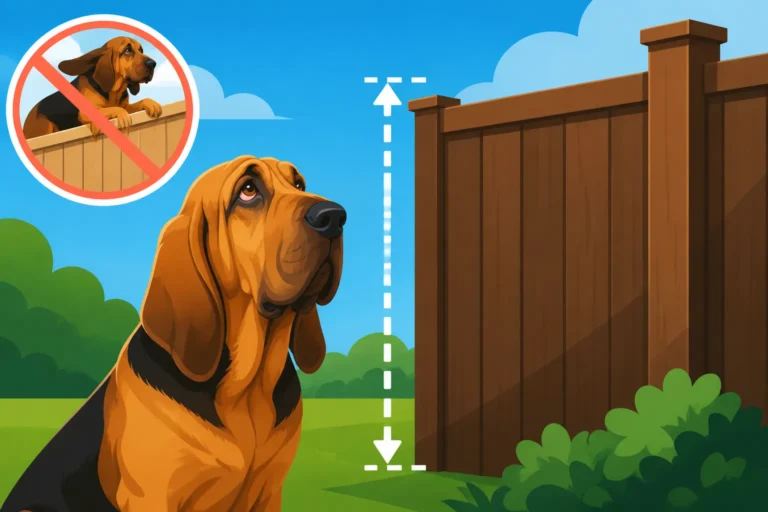
Bloodhound containment requires a minimum six-foot fence to prevent escapes driven by their powerful tracking instincts and digging prowess.