Conditioning a Bloodhound’s Feet for Trail Work
Bloodhound paw conditioning protects delicate pads against sharp rocks and rough terrain during search work, preventing painful cracks.
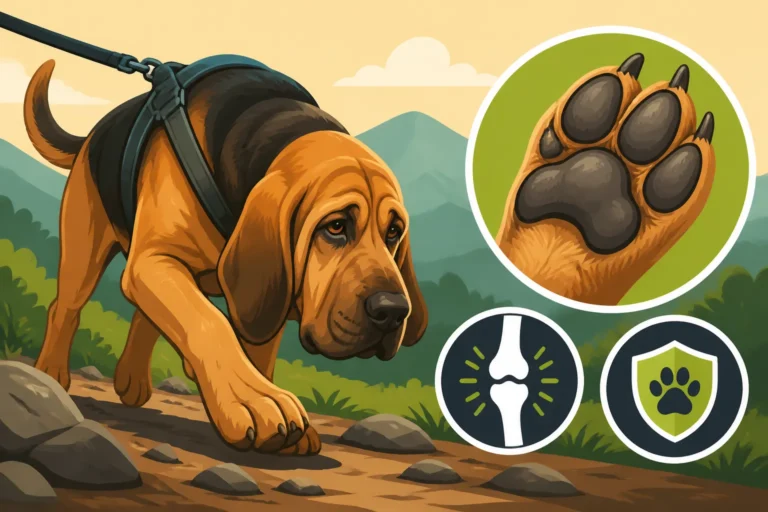
Bloodhound paw conditioning protects delicate pads against sharp rocks and rough terrain during search work, preventing painful cracks.
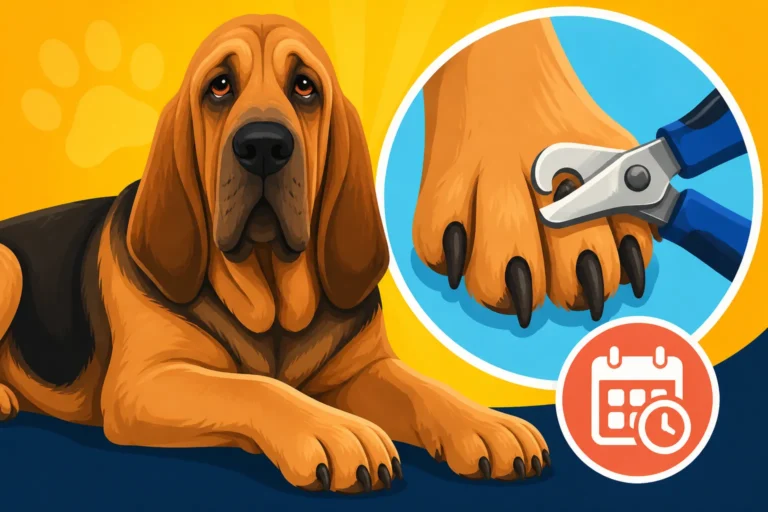
Bloodhound nail trimming frequency and health risks like joint pain, lameness, and arthritis from overgrown nails are explained.
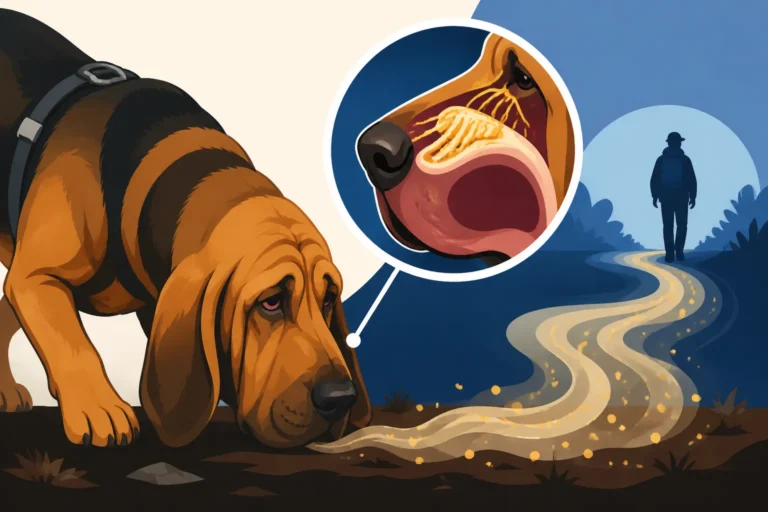
Bloodhound body odor stems from long ear anatomy, trapped moisture, and yeast or bacterial infections that cause a distinct smell.

Bloodhound bathing frequency depends on coat density, skin folds, and activity level to maintain health without stripping natural oils.

Bloodhound coat care and shedding control details explain the exact weekly brushing schedule needed to maintain proper skin health.
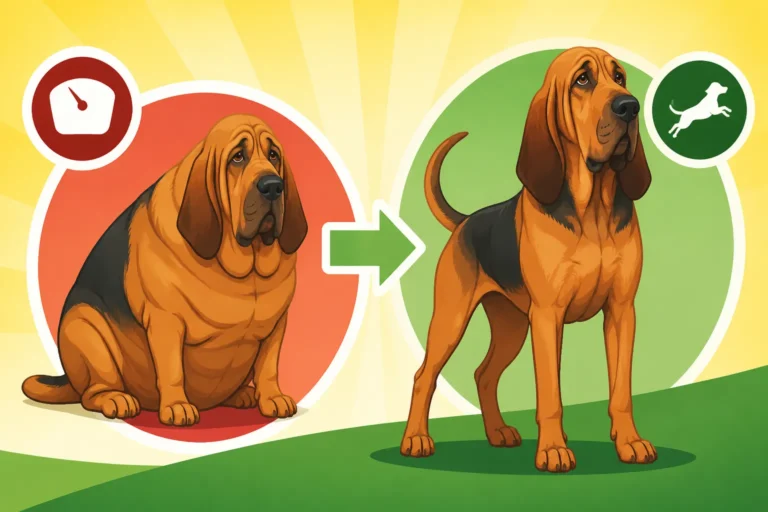
Maintaining a lean Bloodhound prevents joint disease, reduces cardiovascular strain, and lowers bloat risk for a healthier life.

Bloodhound puppy growth trajectories, including weight gains, height milestones, and physical maturity stages over three years.

Adult Bloodhound daily food requirements depend on activity levels, individual metabolism, and slower physical maturity rates.

Bloodhound mealtime speed creates swallowed air and fatal bloat risks, but slow feeder bowls prevent gastric dilatation-volvulus.

Whether a raised bowl is right for a Bloodhound, examining the long-held belief that elevated feeding prevents bloat in deep-chested large breeds.