Why a Prong Collar Is Wrong for a Bloodhound
It’s a scenario many of us Bloodhound owners know all too well: you’re out for a walk, enjoying the fresh air, when suddenly your gentle giant catches a whiff of something utterly fascinating. In that instant, they transform into a 100-pound scent missile, pulling with an intensity that can wrench your shoulder or drag you down the street. In frustration, some turn to tools like prong collars, hoping for a quick fix. But for a Bloodhound, this tool isn't just ineffective; it's often detrimental to their physical health and your relationship. This guide dives deep into why prong collars are the wrong choice for our beloved, sensitive scent hounds and what humane, effective alternatives truly work.
Understanding the Bloodhound's Unique Physiology and Drive
When we talk about training tools, it’s crucial to consider the specific breed we’re working with. Bloodhounds are not like every other dog, and their unique physiology and unparalleled scent drive mean that what works for a different breed might be completely inappropriate for them. Their entire being is engineered for scent work, and this genetic blueprint influences every aspect of their behavior and how they interact with the world – and with you on a leash.
The Bloodhound's Deep-Seated Scent Drive
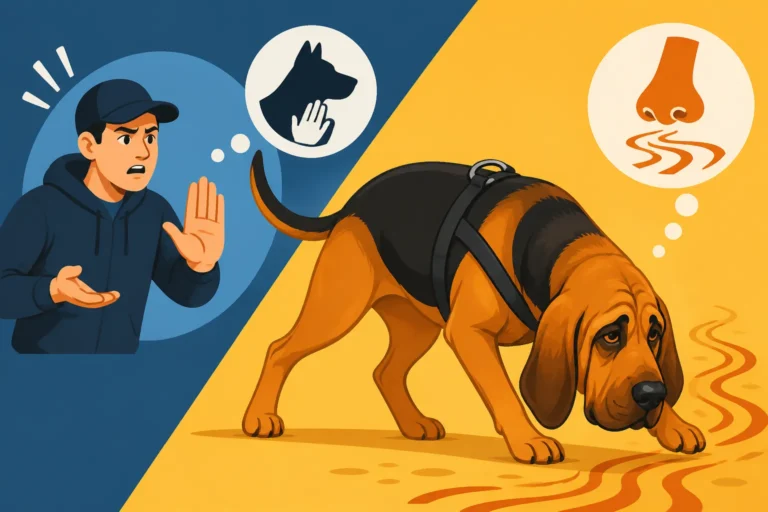
Imagine having a superpower so profound that it often overrides every other impulse. That’s a Bloodhound’s nose. These incredible dogs possess up to 300 million olfactory receptors, far surpassing our own paltry 5 million. When a Bloodhound’s nose hits a compelling scent, it’s not just a casual interest; it's an all-consuming mission. This isn't stubbornness or a lack of respect; it’s an innate, biological imperative that tells them, "Follow that scent, no matter what!"
This intense drive means that external corrections, especially pain-based ones like those delivered by a prong collar, often don't register in the way an owner hopes. The allure of the trail is so powerful that the momentary discomfort of the collar is often dismissed or tolerated, almost as an unfortunate but necessary side effect of pursuing their passion. They literally cannot not follow a trail if it’s interesting enough. Expecting them to ignore a scent for the sake of polite leash walking is like asking a fish to walk on land – it goes against their very nature. Trying to "correct" this drive with pain only teaches them to associate discomfort with walks, not to stop following a scent. A Bloodhound's Nose Outvotes Its Handler explores this phenomenon further.
The Sensitivity and Structure of a Bloodhound's Neck
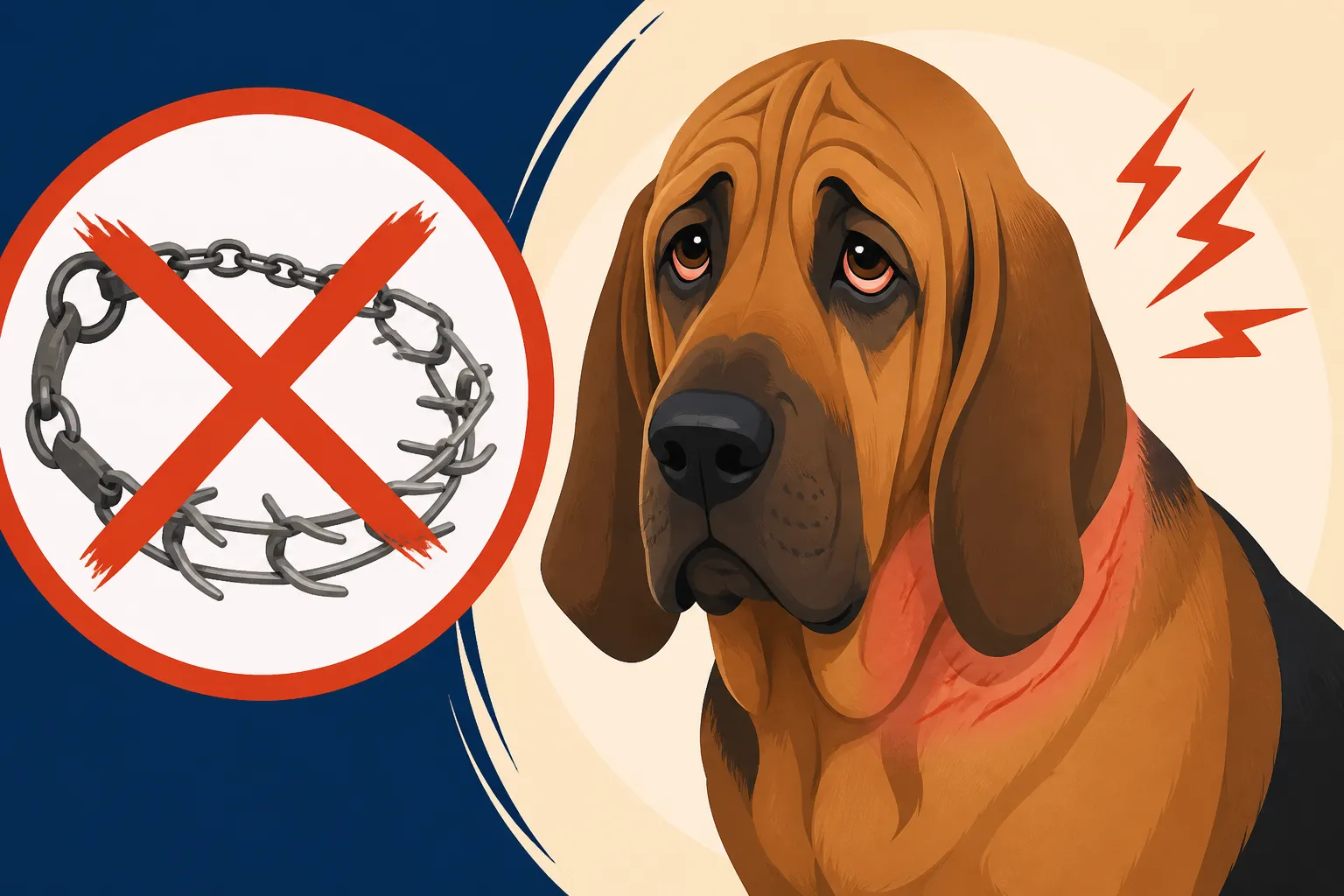
Bloodhounds are known for their magnificent, loose skin, especially around their head and neck, which serves an important purpose in trapping scent. While beautiful, this unique skin structure also makes them particularly vulnerable to certain types of collars. A prong collar is designed to create even pressure around the neck, mimicking a mother dog's bite, but on a Bloodhound, this can go wrong.
The loose skin means the collar can shift, dig into sensitive areas unevenly, or even get caught in the prongs. Unlike breeds with tighter skin, a Bloodhound's neck rolls can easily be pinched or chafed. Furthermore, beneath all that skin, Bloodhounds have a throat, trachea, and thyroid gland that are just as sensitive as any other dog's. Applying sudden, sharp pressure to this area, especially with metal prongs, carries a significant risk of physical injury. We're talking about potential damage to the esophagus, trachea, or even the thyroid gland. This isn't just about discomfort; it's about the very real possibility of long-term health issues for a dog that already comes with a list of unique health considerations.
The Harmful Effects of Prong Collars on Bloodhounds
The idea behind a prong collar is to deter pulling through discomfort or pain, but for Bloodhounds, this approach backfires, creating a host of problems that far outweigh any perceived short-term gain. It’s a tool that disregards their inherent nature and, unfortunately, often leads to both physical and behavioral damage.
Physical Risks and Injuries
The physical dangers of a prong collar on a Bloodhound are not to be underestimated. As mentioned, their loose skin is a major factor. The prongs can rub and chafe, leading to skin irritation, sores, and even infections in the folds of their neck. If the collar is ill-fitting, or if the handler applies a sudden, forceful jerk, the prongs can dig in deeply, causing puncture wounds or bruising.
More seriously, the pressure exerted by a prong collar can damage internal structures. The trachea (windpipe) is particularly vulnerable, and repeated pressure can lead to tracheal collapse or irritation, causing coughing and breathing difficulties. Their long, pendulous ears, while not directly affected by the collar, are part of a delicate head and neck area. Any discomfort or pain around the neck can cause a Bloodhound to struggle or thrash, potentially injuring their ears if they get caught. A Bloodhound's Ears Are a Standing Infection Risk, so any additional trauma or stress to the head area is something to avoid.
Beyond immediate injury, there's the insidious effect of chronic stress. A dog constantly subjected to discomfort during walks might develop chronic muscle tension in the neck and shoulders, leading to pain and limited mobility over time.
Behavioral and Psychological Damage
While the physical risks are clear, the behavioral and psychological damage a prong collar inflicts on a Bloodhound can be even more profound and lasting. Bloodhounds are incredibly sensitive, gentle souls, despite their size and powerful drive. They thrive on trust and positive reinforcement.
Using a pain-based tool like a prong collar often creates fear, anxiety, and resentment. Your Bloodhound learns to associate walks, their handler, or even approaching strangers with discomfort. This can manifest in several ways:
- Suppression, Not Learning: The dog might stop pulling, but not because they've learned to walk politely. Instead, they've learned that pulling causes pain, and they become suppressed, often showing signs of stress like lip licking, yawning, or refusal to move. This isn't actual training; it's coercion.
- Aversion to Leash: Many Bloodhounds develop a strong aversion to the leash or even the sight of their collar, making walks a battle from the outset.
- Damaged Bond: Trust is paramount with a Bloodhound. If they associate you, their primary caregiver, with pain, that bond can erode. They may become less willing to engage with you, less responsive to cues, and generally more withdrawn. This is especially tragic for a breed that forms such deep attachments.
- Redirected Aggression: While not common in the generally genial Bloodhound, any dog subjected to pain and fear can, in extreme cases, lash out. They might redirect their frustration onto other dogs, people, or even their handler. This is a desperate attempt to create distance from the source of discomfort.
- Exacerbation of Existing Issues: If a Bloodhound is already anxious or fearful, a prong collar will only amplify these feelings, creating a downward spiral that is incredibly difficult to recover from.
It's important to recognize that a Bloodhound's strong pull is not an act of defiance, but a manifestation of their innate drive. Punishing them for being who they are is unfair and counterproductive.
Effective, Humane Alternatives for Training a Bloodhound
So, if prong collars are out, what does work for managing a powerful, scent-driven Bloodhound on a leash? The good news is that there are many effective, humane tools and techniques that foster a positive relationship and achieve better results without causing pain or fear.
Harnesses Designed for Control
The right harness can make a world of difference when walking a Bloodhound. Forget simple back-clip harnesses; they often encourage pulling by allowing the dog to lean into the pressure, much like a sled dog. Instead, look for harnesses designed specifically to discourage pulling by redirecting their forward momentum.
- Front-Clip Harnesses: These harnesses have a leash attachment point on the dog's chest. When your Bloodhound pulls, the leash redirects them to the side, gently turning them back towards you. This makes it physically uncomfortable for them to pull forward with their full weight. Many brands offer excellent front-clip harnesses, often found readily on Amazon. Look for padded straps to prevent chafing, especially under their loose armpit skin.
- Head Halters (Halti, Gentle Leader): These tools fit over your Bloodhound's muzzle and around the back of their head, giving you steering control over their nose and head. Where the head goes, the body follows. They don't apply pressure to the throat, making them very safe. While some dogs initially resist them (they feel like a muzzle), with gradual, positive introduction and treats, most Bloodhounds adapt well. They offer excellent control for strong pullers without any pain.
When choosing a harness, ensure it fits properly. A poorly fitting harness can still cause discomfort or allow your Bloodhound to escape. Take measurements and consider trying a few different styles to find the best fit for your unique hound.
Positive Reinforcement and Relationship Building
The most powerful tool you have in your training arsenal is positive reinforcement. Bloodhounds are smart, food-motivated, and eager to please when they understand what you want. Building a strong, trusting relationship based on positive experiences will yield far better results than any coercive tool ever could.
- High-Value Treats: For a Bloodhound, "high-value" means really good stuff – boiled chicken, cheese, hot dogs. These treats are your currency for good behavior. Reward every step your Bloodhound takes without pulling, every time they check in with you, every time they respond to their name. Be generous!
- Engagement on Walks: Don't just hold the leash; actively engage with your Bloodhound. Talk to them, praise them, play little games. This helps keep their focus on you, even when tempting scents are nearby. Sudden changes in direction, where you reward them for following, can also be very effective.
- Structured Training: Invest time in teaching loose-leash walking in low-distraction environments first, gradually increasing the distractions. Break down the behavior into small, achievable steps. Use a clicker if you like, to mark the exact moment of desired behavior. Resources like BAXTER & Bella offer online puppy and dog training programs that emphasize positive reinforcement and can guide you through these steps effectively.
| Collar/Harness Type | How It Works | Suitability for Bloodhounds | Potential Issues |
|---|---|---|---|
| Flat Collar | Attaches to leash, pressure on trachea. | Limited control for strong pullers. | Pulling can cause tracheal damage. |
| Martingale Collar | Tightens slightly under tension. | Better than flat collar for escape artists. | Still puts pressure on trachea if dog pulls hard. |
| Prong Collar | Metal prongs create pinching sensation. | Not recommended. | Physical injury, psychological damage, ineffective. |
| Front-Clip Harness | Leash clip on chest, redirects dog. | Highly recommended for pulling. | Can chafe armpits if not fitted properly. |
| Head Halter | Fits over muzzle, steers head. | Highly recommended for strong pullers. | Initial resistance, requires positive introduction. |
Management and Environmental Considerations
Sometimes, the best training is about managing the environment to set your Bloodhound up for success.
- Long Lines and Safe Spaces: Since off-leash isn't a realistic goal for most Bloodhounds, consider a long line (15-30 feet) in a safe, fenced area. This allows them to explore scents more freely while still under your control, satisfying their innate drive. Whether a Long Line Replaces Off Leash for a Bloodhound is a useful read on this topic.
- Sniffari Walks: Dedicate some walks purely to sniffing. Let your Bloodhound lead (on a well-fitted harness), exploring every interesting scent. This is mentally exhausting and fulfilling for them. It’s not about training leash manners, but about meeting their instinctual needs.
- Time of Day: Consider walking during less busy times or in areas with fewer tempting scents if your Bloodhound is particularly reactive to new smells.
- Professional Help: If you're struggling, don't hesitate to seek out a certified professional dog trainer who specializes in positive reinforcement and has experience with scent hounds. They can offer personalized guidance and support.
Remember, patience is key. Your Bloodhound wants to please you, but their nose has a very compelling argument. By using humane tools and building a trusting relationship, you can enjoy walks together without resorting to painful or damaging methods.
Building a Relationship Based on Trust, Not Force
Ultimately, the goal of any training should be to strengthen the bond between you and your dog, not to break their spirit or cause them pain. For a Bloodhound, a breed known for its gentle disposition and unwavering loyalty, this principle is especially critical. Relying on tools of coercion like prong collars can leave lasting scars, not just physically, but emotionally.
The Value of a Strong Human-Canine Bond
A Bloodhound thrives on connection. They are deeply sensitive and form profound attachments to their families. When you approach training with kindness, consistency, and understanding, you reinforce their trust in you. This trust is the foundation for everything else – their willingness to listen, their eagerness to engage, and their overall happiness.
Think about it: would you rather cooperate with someone who constantly hurts you when you make a mistake, or someone who patiently guides you and rewards your successes? Our Bloodhounds are no different. They learn best when they feel safe, respected, and understood. A strong bond means your Bloodhound will look to you for guidance, even when the world of scent is calling their name. This isn't to say training is always easy; Bloodhounds can be famously independent when on a trail. But that independence is more manageable within a relationship built on mutual respect. What a Bloodhound Will Work For often revolves around this bond and high-value rewards.
Long-Term Benefits of Positive Training
Choosing positive, force-free training methods offers numerous long-term benefits that extend far beyond simply stopping a dog from pulling on a leash.
- A Happier, More Confident Dog: A Bloodhound trained with positive reinforcement is generally a more confident, well-adjusted dog. They aren't afraid of making mistakes, and they view new experiences as opportunities rather than potential sources of pain. This makes them more resilient and adaptable to new environments and situations.
- Reliable Behavior: Behaviors learned through positive reinforcement are often more reliable and resilient, even in distracting environments. When a Bloodhound chooses to walk nicely because they are rewarded for it, that behavior is intrinsically motivated and less likely to break down under pressure compared to a behavior performed simply to avoid pain.
- Reduced Risk of Behavioral Problems: Many behavioral issues, such as fear-based aggression, reactivity, or anxiety, can be directly linked to, or exacerbated by, harsh training methods. By opting for positive techniques, you significantly reduce the likelihood of these problems developing or worsening.
- Joyful Companionship: Isn't the point of having a Bloodhound to share a joyful life with them? When you eliminate pain and fear from your interactions, every walk, every training session, every moment together becomes a positive experience for both of you. You get to truly enjoy the unique personality of your Bloodhound, rather than constantly battling with them.
- Ethical Responsibility: As dog owners, we have an ethical responsibility to provide for our pets' well-being, both physical and psychological. Choosing humane training methods aligns with this responsibility, ensuring we treat our Bloodhounds with the compassion and respect they deserve.
While the temptation to find a quick fix for leash pulling can be strong, especially with a powerful breed like the Bloodhound, it’s vital to resist methods that rely on pain or intimidation. Instead, embrace the journey of understanding your Bloodhound's incredible nature, and equip yourself with tools and techniques that strengthen your bond and promote their well-being. Your Bloodhound will thank you for it with a lifetime of devoted companionship.
Disclaimer
This article is for general informational purposes only and does not constitute professional advice. Laws, prices and regulations vary by location and change over time. Consult a qualified professional for guidance on your specific situation.