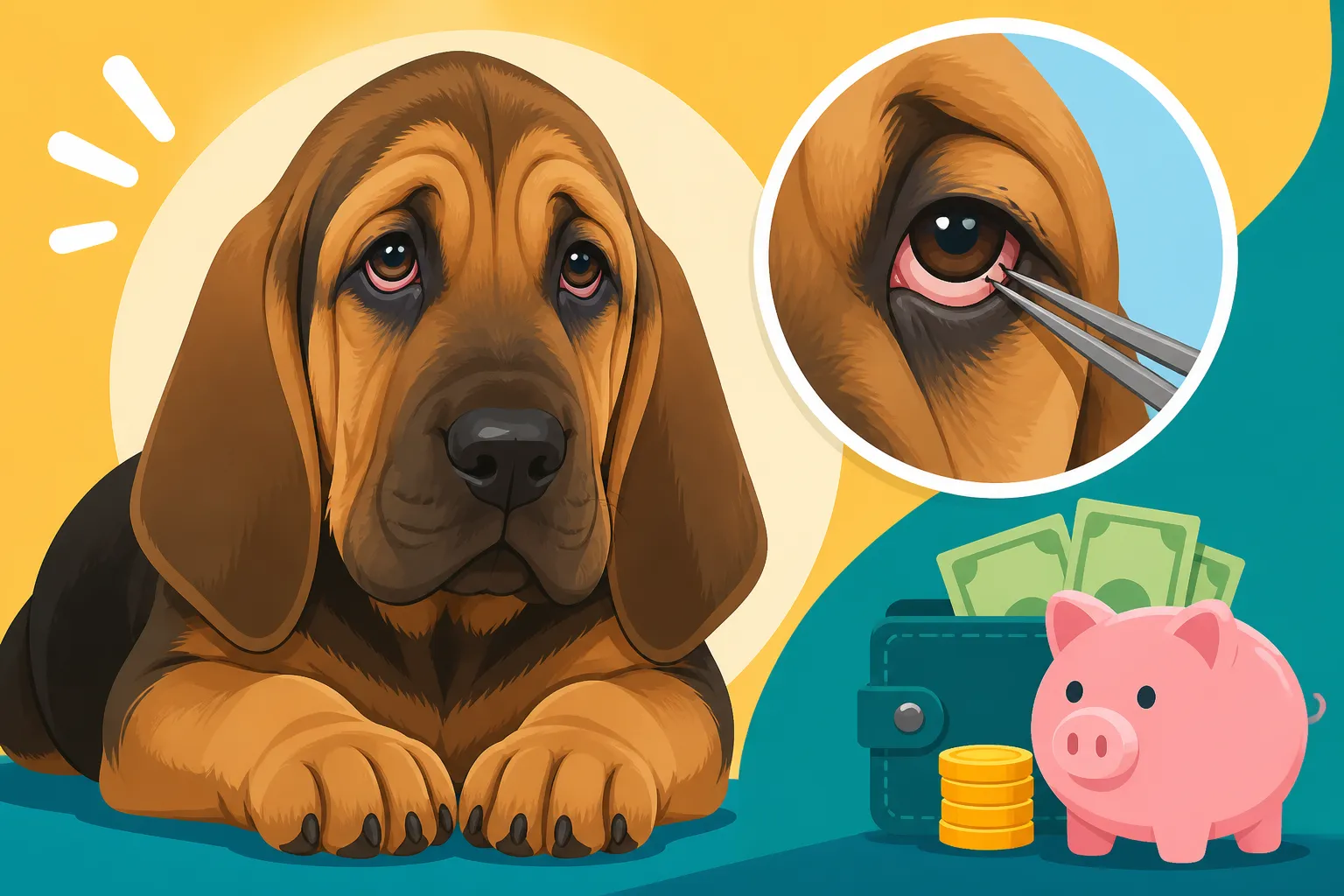
What a Bloodhound’s Eyelid Tacking Costs as a Puppy
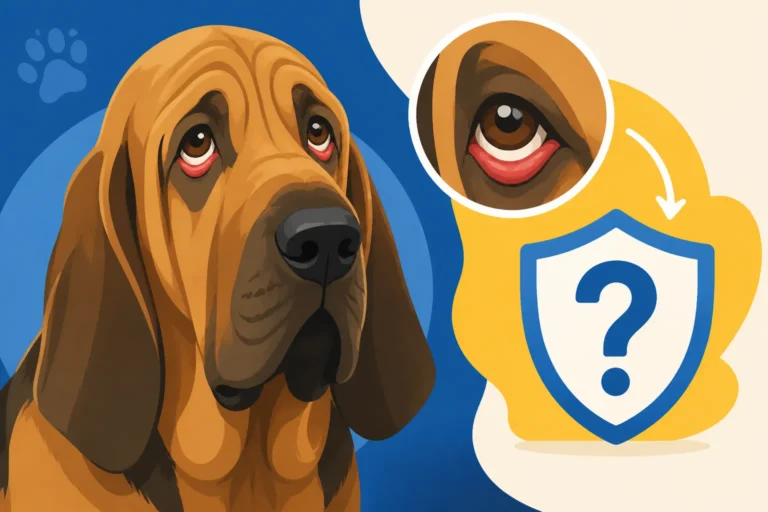
It's a common worry for new Bloodhound puppy owners: seeing those characteristic droopy eyes and wondering if they're healthy or heading for trouble. Sometimes, those adorable wrinkles and loose skin, a hallmark of the breed, can actually lead to medical problems. One of the early interventions a Bloodhound might need is eyelid tacking. This guide will walk you through what eyelid tacking means for your Bloodhound puppy, why it might be necessary, and what kind of costs you can realistically expect for this crucial procedure.
What Eyelid Tacking Means for Your Bloodhound Puppy
When you first bring home that wrinkly, floppy-eared bundle of joy, you're probably enamored with their classic Bloodhound expression. However, that magnificent loose skin around their eyes, while part of their charm and scent-trailing prowess, can sometimes cause issues, especially in puppies whose facial structure is still developing. Eyelid tacking is a temporary surgical procedure where sutures are placed in the eyelids to temporarily change their position. It's not a permanent fix, but rather a bridge to allow the puppy to grow or for inflammation to resolve, preventing more serious complications in the meantime.
The 'Why' Behind Temporary Eyelid Tacking
For Bloodhound puppies, eyelid tacking is primarily done to address conditions like ectropion or entropion, or a combination of both, which can arise due to their rapidly developing facial structure and abundant loose skin. Ectropion is when the eyelid rolls outward, exposing the delicate conjunctiva and increasing the risk of irritation, dust, and debris getting into the eye. Imagine constantly having a speck in your eye; it's uncomfortable and can lead to infections. On the flip side, entropion is when the eyelid rolls inward, causing the eyelashes or surrounding hairs to rub against the cornea. This is incredibly painful and can lead to corneal ulcers, scarring, and even vision impairment if left unaddressed. It's a bit like having sandpaper constantly rubbing your eyeball.
A puppy's face is still changing so much in those first few months. Sometimes, what looks like a severe case of ectropion or entropion might actually improve as the puppy grows into its skin. Tacking buys time. It alleviates the immediate discomfort and prevents permanent damage while giving the puppy's face a chance to mature. Think of it as putting the eyelids in a temporary sling while the rest of the facial muscles and skin catch up. It's a proactive step that can save your puppy a lot of pain and potentially more invasive surgery down the road. It’s also often chosen when there's significant swelling or inflammation that is making an existing problem much worse, and the tacking can help reduce the irritation until the swelling goes down. For more on the specifics of how the eyelids can cause problems, you might want to read What Ectropion Looks Like on a Bloodhound.
Recognizing When a Puppy Needs Eyelid Intervention
So, how do you know if your adorable Bloodhound puppy actually needs this procedure? It often starts with subtle signs that, as a dedicated owner, you'll want to keep a keen eye on. Excessive tearing or discharge from the eyes is a big red flag. If you constantly see wet streaks or crusty buildup, it’s not just "Bloodhound tears" – it could be irritation. Another common sign is frequent blinking, squinting, or rubbing at their eyes with their paws, indicating discomfort or pain. If your puppy is trying to rub its face on the carpet or furniture, it's telling you something is bothering them.
You might also notice the physical appearance of the eyelids themselves. With ectropion, you'll see the lower eyelid noticeably sagging or hanging away from the eyeball, revealing the pink or red lining. With entropion, you might actually struggle to see the edge of the eyelid as it's rolled inward, and you might notice hairs touching the surface of the eye. Some puppies will even develop corneal ulcers, which might appear as a cloudy spot on the eye and can cause extreme pain and vision issues. If you observe any of these symptoms, it's crucial to consult your veterinarian immediately. They can assess the severity of the condition and determine if temporary eyelid tacking is the appropriate first step, or if a more permanent solution might be necessary later on. Early intervention can make all the difference in your puppy's comfort and long-term eye health. It's not a situation to "wait and see" with, as permanent damage can occur surprisingly quickly. When a Bloodhound's Eyelids Need Surgery delves deeper into these decision points.
Deconstructing the Costs of Puppy Eyelid Tacking
Understanding the potential costs involved with a Bloodhound puppy's eyelid tacking can help you prepare financially and make informed decisions. It’s never just one flat fee; rather, it’s a mosaic of different services, tests, and care components that add up. These costs can vary significantly based on your geographic location, the specific veterinary practice, and the complexity of your puppy's individual case. It's always best to get a detailed estimate from your vet before proceeding.
Initial Consultation and Diagnostics
Before any surgery, your puppy will need a thorough examination by a veterinarian. This initial consultation will involve a comprehensive eye exam to accurately diagnose the condition – whether it's ectropion, entropion, or a combination – and assess its severity. The vet will look for signs of corneal damage, infection, and general eye health. This visit alone will have its own fee, similar to any standard veterinary appointment.
Beyond the physical exam, diagnostic tests might be necessary. This could include a fluorescein stain test to check for corneal ulcers, which is a common complication of entropion. They might also perform a Schirmer tear test to assess tear production, especially if dry eye is suspected as a contributing factor. Blood work, including a complete blood count and chemistry panel, is almost always required before anesthesia to ensure your puppy is healthy enough for the procedure and to help the veterinary team tailor the safest anesthetic protocol. These pre-anesthetic blood tests are vital for identifying any underlying health issues that could complicate surgery. For example, knowing your puppy's organ function helps the vet choose the safest anesthetic agents. What a Bloodhound's Pre Anesthetic Bloodwork Costs further explains the importance and expense of these tests.
Surgical Procedure and Anesthesia Considerations
The core cost component is, of course, the surgical procedure itself, which includes the application of the tacking sutures. This fee covers the veterinary surgeon's time and skill, as well as the use of the operating room and specialized equipment. Because eyelid tacking involves anesthesia, there are separate costs associated with that, which are usually broken down into several parts.
Anesthesia costs typically include the anesthetic drugs themselves, the time spent monitoring your puppy under anesthesia, and often a dedicated veterinary technician whose sole job is to keep a close eye on your puppy's vital signs (heart rate, respiration, oxygen saturation, temperature, blood pressure) throughout the procedure. Bloodhounds, being larger dogs, often require larger doses of anesthetic agents, which can sometimes influence the overall cost. The length of the procedure also plays a role; while tacking is relatively quick, the total time under anesthesia includes induction and recovery. Sometimes, if the case is complex or if the puppy has other health considerations, they might need extra monitoring, which could add to the bill. Your vet will discuss these factors with you to ensure your puppy's safety and your understanding of the associated costs.
Post-Operative Care and Follow-Up Visits
The cost doesn't end when your Bloodhound puppy wakes up from surgery. Post-operative care is crucial for a successful recovery and to ensure the tacking does its job effectively without complications. You'll likely be sent home with a course of medications, which typically include pain relief to keep your puppy comfortable and antibiotics to prevent infection at the suture sites. Eye drops or ointments might also be prescribed to protect the cornea and aid healing. These medications are an additional expense.
Furthermore, an Elizabethan collar (e-collar), often called the "cone of shame," is almost always necessary to prevent your puppy from rubbing or scratching at the sutures, which could pull them out or introduce infection. You might find these at your vet's office, or you could source a more comfortable soft cone or inflatable collar from retailers like Chewy.
Follow-up appointments are also a standard part of the recovery process. Your vet will want to recheck your puppy's eyes and the sutures usually within a week or two, and then again when it's time to remove the sutures – typically after a few weeks, once the puppy has grown a bit and the eyelids have had a chance to settle. Each of these recheck visits will incur a consultation fee. Sometimes, if there are complications or if the tacking needs adjustment, additional visits or procedures might be required, adding to the overall expense. It's a journey, not a one-and-done trip, and budgeting for these post-op steps is just as important as the surgery itself. What a Bloodhound's Post Surgery Rechecks Cost can give you an idea of these follow-up expenses.
Here's a simplified breakdown of cost factors for Bloodhound puppy eyelid tacking:
| Cost Component | Typical Inclusions | Potential Impact on Cost |
|---|---|---|
| Initial Exam & Diagnostics | Consultation, eye stain, tear test, pre-op bloodwork | Moderate |
| Surgical Procedure | Surgeon's fee, operating room, materials | High |
| Anesthesia | Anesthetic drugs, monitoring, technician's time | High |
| Medications | Oral pain relief, antibiotics, eye drops/ointments | Low to Moderate |
| Protective Collar | Elizabethan collar (e-collar) | Low |
| Follow-up Visits | Suture removal, rechecks, complication management | Moderate |
| Specialist Referral | Ophthalmologist consultation/surgery (if needed) | Very High |
Strategies for Managing Eyelid Tacking Expenses
Facing unexpected veterinary bills, especially for a puppy, can be incredibly stressful. While eyelid tacking might be a temporary measure, the costs can still be substantial. However, there are proactive steps and resources available to help you manage these expenses without compromising your Bloodhound puppy's health and comfort.
Exploring Pet Insurance Options
Pet insurance is one of the most effective ways to mitigate the financial shock of unexpected veterinary care. While most policies have waiting periods for new conditions, if you enroll your Bloodhound puppy early, before any eye issues are formally diagnosed, you may find that such procedures are covered. It's important to understand that if your puppy has already shown signs of ectropion or entropion before you get insurance, it might be considered a pre-existing condition and therefore excluded from coverage. This is why securing a policy when your Bloodhound is very young and healthy is often recommended.
Different insurance providers offer various levels of coverage, deductibles, and reimbursement percentages. Companies like Healthy Paws are well-regarded for their comprehensive accident and illness plans, which typically cover conditions like entropion or ectropion (provided it's not pre-existing). You'll usually pay the vet bill upfront, then submit a claim for reimbursement. Carefully read the policy details, especially regarding waiting periods and exclusions, to ensure you choose the best fit for your Bloodhound's potential needs. While insurance is an added monthly expense, it can be a lifesaver when those significant veterinary bills arrive. Whether a Bloodhound's Gastropexy Is Covered by Insurance (though for a different surgery, it illustrates the general principles of insurance coverage for breeds prone to specific issues).
Discussing Payment Plans and Financial Aid
If pet insurance isn't an option, or if the costs exceed your coverage, don't despair. Many veterinary clinics understand that pet care can be expensive and offer solutions. One common option is an in-house payment plan, where you can pay the total bill in installments directly to the clinic. This often requires an initial down payment and then regular, agreed-upon payments over a set period. Each clinic's policy will differ, so it's always worth asking what they can offer.
Another popular choice for many pet owners is veterinary credit cards, such as CareCredit. These cards act like a credit line specifically for healthcare expenses and often offer deferred interest or low-interest financing options for a certain period, which can make a large bill much more manageable. You apply for these cards just like any other credit card, and if approved, you can use them at participating vet offices. Beyond these, there are also various charitable organizations and foundations that provide financial assistance for pet owners facing costly veterinary treatments. These often have specific eligibility requirements, but they can be a crucial lifeline for families in need. A quick online search for "pet financial aid" or "veterinary assistance programs" in your area can reveal valuable resources.
Preparing for Potential Future Eyelid Care
It's important to remember that temporary eyelid tacking, as the name suggests, might not be the final solution. While it often helps a puppy grow out of the issue, some Bloodhounds may require more permanent surgical correction as adults if the problem persists or recurs. This permanent surgery, typically performed by a veterinary ophthalmologist, involves removing a small wedge of skin and muscle from the eyelid to permanently correct its position. These more definitive surgeries can be considerably more expensive than temporary tacking.
Being proactive means understanding this potential trajectory. Continue diligent eye care, like regular cleaning with gentle saline solution as recommended by your vet, and monitor for any recurring signs of irritation or discomfort. Stocking up on essential supplies from places like Chewy or your local pet store, such as gentle eye wipes, saline rinses, and comfortable e-collars, can help you manage day-to-day care and prepare for any future needs. If your vet has prescribed a special diet, such as those offered by Ollie, maintaining that can support overall health and recovery. Early and consistent communication with your veterinarian is key. They can guide you through your Bloodhound's development, advise on preventative measures, and help you plan for any potential future interventions, ensuring your beloved companion enjoys a lifetime of clear, comfortable vision. For details on potential future surgeries, consider reading Whether a Bloodhound's Eyelid Repair Is Done in Two Stages.
Disclaimer
This article is for general informational purposes only and does not constitute professional advice. Laws, prices and regulations vary by location and change over time. Consult a qualified professional for guidance on your specific situation.