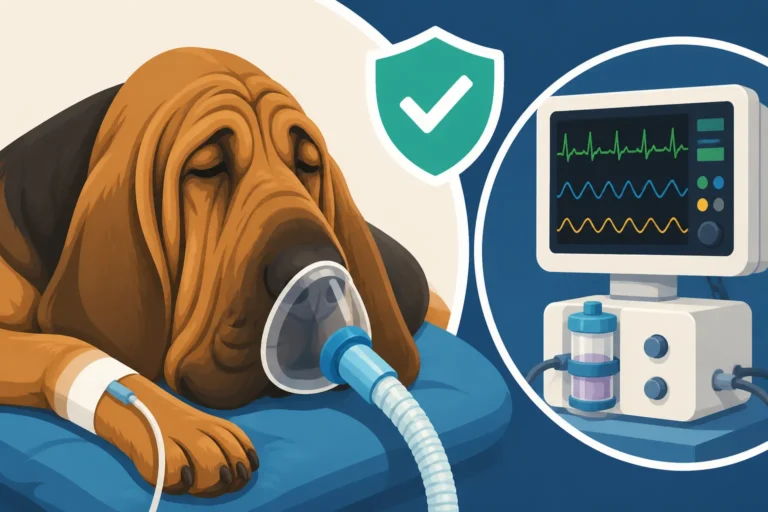
What a Bloodhound’s Pre Anesthetic Bloodwork Costs
Facing the prospect of your beloved Bloodhound needing surgery is stressful enough without the added anxiety of understanding all the associated costs. One line item that often raises questions is pre-anesthetic bloodwork. This guide will walk you through why this diagnostic step is crucial for your Bloodhound's safety, what factors influence its cost, and how you can approach managing this essential expense to ensure your loyal companion receives the best possible care.
Why Pre-Anesthetic Bloodwork Is Non-Negotiable for Your Bloodhound
It's tempting to think of bloodwork as just another bill, but for a large, deep-chested breed like a Bloodhound, it's a vital safety net. Your dog can't tell you if they're feeling a bit off, or if their liver or kidneys are struggling. Pre-anesthetic bloodwork gives your veterinary team a critical snapshot of your Bloodhound's internal health, allowing them to make informed decisions that could literally save their life during a procedure.
Catching Hidden Risks Before Surgery
Imagine your big, goofy Bloodhound, usually full of boundless energy for scent work, needing a routine dental cleaning or perhaps something more significant like a The Gastropexy Decision Every Bloodhound Owner Faces. On the surface, they might seem perfectly healthy. They're eating well, playing, and generally acting like themselves. However, internal issues like early kidney disease, liver dysfunction, anemia, or clotting disorders can be silently brewing without any outward signs. Anesthesia places stress on these organs, and if they're already compromised, it can lead to serious, life-threatening complications.
This bloodwork acts as an early warning system. For instance, if the blood panel reveals elevated kidney enzymes, your vet might decide to delay the surgery, implement intravenous fluid therapy beforehand, or adjust the anesthetic drugs to be gentler on the kidneys. Without this insight, proceeding blindly could result in a crisis that costs far more in both emotional and financial terms than the bloodwork ever would. It's about proactive care, catching potential problems before they become emergencies that often culminate in A Bloodhound's Money Is Spent in the Operating Room.
Tailoring the Anesthesia Protocol
Every dog is an individual, and a Bloodhound, with its unique physiology and large size, requires a carefully tailored approach to anesthesia. Pre-anesthetic bloodwork provides your veterinarian with the data needed to select the safest combination and dosage of anesthetic agents specifically for your dog. For example, if a complete blood count (CBC) indicates anemia, the vet might choose drugs that are less likely to cause a drop in blood pressure, or even recommend a transfusion if the anemia is severe enough to warrant postponing surgery.
Furthermore, Bloodhounds, being a large breed, can sometimes have underlying conditions that might not be obvious during a routine physical exam. Things like Hypothyroidism in a Bloodhound or mild cardiac irregularities, while not always preventing surgery, definitely influence the choice of drugs and the level of monitoring needed. Knowing these details in advance allows your vet to create a custom anesthesia plan, adjusting for any identified risks to ensure a smoother, safer procedure. This also ties into whether your dog might need Whether a Bloodhound Needs Extra Anesthesia Monitoring during the procedure itself.
Peace of Mind for You and Your Vet
As a Bloodhound owner, you pour your heart and soul into your dog's well-being. The thought of them undergoing anesthesia is inherently anxiety-inducing. Knowing that comprehensive bloodwork has been performed, and that your veterinary team has a clear picture of your dog's internal health, can offer a significant degree of peace of mind. You're empowered with the knowledge that you've done everything in your power to prepare them safely.
For your veterinary team, this bloodwork is equally critical. It allows them to proceed with a higher level of confidence, knowing they've mitigated as many risks as possible. It reduces the chances of unexpected complications during surgery, which are stressful and heartbreaking for everyone involved. Ultimately, this essential diagnostic step ensures that your Bloodhound's journey through any surgical procedure is as safe and controlled as possible, allowing for the best possible outcome and a quicker, smoother recovery.
What Goes Into the Cost of Bloodhound Pre-Anesthetic Bloodwork
The cost of pre-anesthetic bloodwork for a Bloodhound isn't a single, fixed price. It's influenced by several factors, including the specific tests included, any additional diagnostics deemed necessary, and where you live and where your veterinarian practices. It's a spectrum, not a pinpoint, and understanding the components helps you budget and ask the right questions.
The Core Panels: CBC and Chemistry
When your vet talks about "pre-anesthetic bloodwork," they're typically referring to a combination of two core panels: a Complete Blood Count (CBC) and a Chemistry Panel.
- Complete Blood Count (CBC): This test provides a detailed look at your Bloodhound's red blood cells, white blood cells, and platelets. It can detect anemia (low red blood cells), which impacts oxygen delivery; inflammation or infection (changes in white blood cells); and clotting problems (low platelets), which are crucial for preventing excessive bleeding during surgery. For a large dog like a Bloodhound, blood volume is significant, so understanding their blood components is paramount.
- Chemistry Panel: This panel evaluates organ function, focusing mainly on the liver and kidneys, but also checking electrolytes, blood sugar, and protein levels. These organs are responsible for metabolizing and eliminating anesthetic drugs. If the chemistry panel reveals elevated liver or kidney enzymes, it's a red flag, indicating these organs might not be functioning optimally, requiring a change in anesthetic protocol. It's a broad-stroke look at metabolic health.
While the fundamental tests are the same for all breeds, a larger dog like a Bloodhound might require a slightly larger sample volume. However, the pricing structure is usually standard across breeds within a given clinic, though the interpretation of the results always takes the individual dog's breed and size into account. Always remember that even a healthy Bloodhound can have underlying issues, so these panels are crucial for every procedure, not just major ones like What a Preventive Gastropexy Costs on a Bloodhound.
Additional Tests for Specific Concerns
Sometimes, based on your Bloodhound's age, medical history, breed predispositions, or the specific procedure, your vet might recommend additional blood tests beyond the standard CBC and chemistry panel. These are not always mandatory but can offer even deeper insight.
- Thyroid Panel: Bloodhounds can be prone to Hypothyroidism in a Bloodhound, a condition where the thyroid gland doesn't produce enough hormones. This can affect metabolism and how well a dog handles anesthesia. If your Bloodhound shows any signs of thyroid issues, or if they're a senior dog, a thyroid panel might be added to the pre-anesthetic workup. For example, dogs over the age of six, which is when Aging in a Bloodhound Starts at Six, might routinely have this test suggested.
- Coagulation Profile: If your Bloodhound has a history of bleeding problems, is on certain medications, or the surgery carries a higher risk of hemorrhage (like some emergency procedures), a coagulation profile might be necessary. This test assesses how well your dog's blood clots, which is critical for surgical safety.
- Urinalysis: While not strictly bloodwork, a urinalysis is often performed in conjunction with blood tests to get a complete picture of kidney function. Urine specific gravity, for example, can indicate how well the kidneys are concentrating urine, complementing the blood chemistry results.
These additional tests, while adding to the overall cost, provide an even more comprehensive safety assessment, especially for older Bloodhounds or those with known health concerns. Your vet will explain the rationale for any suggested add-ons, allowing you to make an informed decision for your dog.
Geographical and Clinic Variations
Just like the cost of living varies from city to city, so does the pricing for veterinary services, including pre-anesthetic bloodwork. You'll likely find differences in cost based on:
- Geographical Location: Veterinary clinics in high-cost-of-living urban areas typically have higher prices than those in rural settings. This reflects overheads like rent, staff salaries, and laboratory fees in that particular region.
- Type of Clinic: A large, multi-doctor veterinary hospital with in-house laboratory equipment might offer slightly different pricing than a smaller, single-vet practice that sends all its samples out to an external lab. Emergency veterinary clinics, due to the urgent nature of their services and after-hours staffing, often have higher fees for all procedures and diagnostics.
- In-House vs. External Lab: Some clinics have the equipment to run basic blood panels in-house, which can sometimes provide faster results and potentially a slightly different cost structure. Other clinics send all samples to external veterinary diagnostic laboratories. Both are perfectly valid approaches, but the turnaround time and exact pricing might differ.
It's always a good idea to ask your veterinarian for a detailed estimate before any procedure, breaking down the costs for each component, including the bloodwork. Don't be shy about asking questions or even calling a couple of different local clinics for comparative estimates if you have the time and flexibility. This isn't about finding the cheapest option, but about being an informed advocate for your Bloodhound's health and understanding value.
Here's a general idea of what different panels look for:
| Test Panel | Key Information Gained | Why It Matters for Anesthesia |
|---|---|---|
| Complete Blood Count (CBC) | Red blood cell count, white blood cell count, platelet count | Detects anemia (oxygen issues), infection/inflammation, clotting disorders |
| Chemistry Panel | Liver enzymes, kidney values (BUN, creatinine), blood glucose, electrolytes, protein | Assesses organ function for processing anesthesia, hydration status, metabolic balance |
| Thyroid Panel | Thyroid hormone levels (T4, TSH) | Identifies hypothyroidism, which affects metabolism and anesthetic drug processing |
| Coagulation Profile | Clotting times (PT, aPTT) | Screens for bleeding disorders to prevent hemorrhage during and after surgery |
| Urinalysis | Urine specific gravity, protein, glucose, pH, presence of crystals/bacteria (often with bloodwork) | Provides additional insights into kidney function, hydration, and urinary tract health complementing blood chemistry |
Strategies to Manage the Cost of Bloodhound Pre-Anesthetic Bloodwork
Understanding the costs is one thing, but actually managing them can feel like a whole different challenge, especially when your Bloodhound needs care. Thankfully, there are several proactive steps you can take to make these essential expenses more manageable.
Understanding Your Vet's Estimate
The first and most crucial step is to get a clear, itemized estimate from your veterinary clinic before any procedure. Don't hesitate to ask for a breakdown. What specific tests are included in the "pre-anesthetic bloodwork" line item? Are there different tiers of bloodwork available (e.g., a basic panel versus a comprehensive panel)? For a dog as precious as your Bloodhound, you want to ensure all necessary precautions are taken.
Ask your vet to explain why each test is recommended for your specific Bloodhound. Is it due to their age, a pre-existing condition, or simply standard protocol for a large breed undergoing anesthesia? Understanding the reasoning behind each charge helps you feel more in control and confident in your decisions. If you have concerns about the cost, discuss them openly. Sometimes, a vet might be able to suggest alternatives or discuss the priority of certain tests, though for anesthesia, comprehensive bloodwork is usually considered non-negotiable for safety. This transparency is key to building trust and managing your A Bloodhound's Money Is Spent in the Operating Room.
The Role of Pet Insurance
Pet insurance can be a real lifesaver when unexpected vet bills arise, and pre-anesthetic bloodwork, especially if part of an emergency procedure or an unforeseen condition, is often covered. Companies like Healthy Paws offer accident and illness plans that typically cover diagnostic tests like bloodwork, X-rays, and ultrasounds, as well as surgical procedures and hospitalization.
However, it's vital to understand the specifics of your policy. Most pet insurance plans operate on a reimbursement model, meaning you pay the vet upfront and then submit a claim for reimbursement. Crucially, pet insurance generally does not cover pre-existing conditions, so if your Bloodhound has a known liver issue before you enroll them, bloodwork related to that condition might not be covered. Always check the deductible, reimbursement percentage, and any annual limits of your policy. If you're considering insurance, enrolling your Bloodhound when they are young and healthy is usually the best approach to maximize coverage. It's a significant factor in Whether Pet Insurance Is Worth It on a Bloodhound, and understanding your The Deductible a Bloodhound Owner Should Choose is paramount.
Considering Wellness Plans and Bundles
Some veterinary clinics and even larger pet care providers offer wellness plans or bundled services. These aren't insurance, but rather subscription-based plans that typically include routine preventive care like annual exams, vaccinations, and often, a basic diagnostic blood panel. While these plans might not cover extensive pre-anesthetic bloodwork for a complex surgery, they can help offset the cost of annual bloodwork, which might be similar to the basic pre-anesthetic panel.
Check if your local clinic or a larger chain like Banfield Pet Hospital offers such plans. They can be a good way to spread out the cost of routine care over monthly payments, making it easier to budget for your Bloodhound's ongoing health needs. For example, if your Bloodhound needs a The Age a Bloodhound Should Have a Gastropexy, a wellness plan might cover some of the diagnostic pre-screening, allowing you to focus your budget on the surgical procedure itself. Just be sure to compare what's included in the plan versus your Bloodhound's actual needs, especially as they get older and might require more specific diagnostics.
Budgeting and Emergency Funds
Even with insurance or wellness plans, it's a harsh reality that owning a large breed like a Bloodhound comes with significant financial responsibility. Developing a habit of setting aside funds specifically for unexpected pet health expenses is one of the most reliable strategies. Just as you might have a dedicated fund for home repairs or car maintenance, a "Bloodhound emergency fund" can provide immense relief when faced with a sudden illness or injury requiring diagnostics like emergency bloodwork.
Think about how much you can realistically save each month. Even small, consistent contributions can grow into a substantial safety net over time. Some owners keep a dedicated savings account, while others utilize a credit card with a low interest rate specifically for pet emergencies. For insights into preparing for the unexpected, you might want to read Whether a Bloodhound Owner Needs an Emergency Fund. Being prepared for the potential cost of procedures, which for Bloodhounds often includes The Two Surgeries a Bloodhound Owner Should Expect, is a proactive step that will serve you and your furry family member well throughout their life.
Disclaimer
This article is for general informational purposes only and does not constitute professional advice. Laws, prices and regulations vary by location and change over time. Consult a qualified professional for guidance on your specific situation.