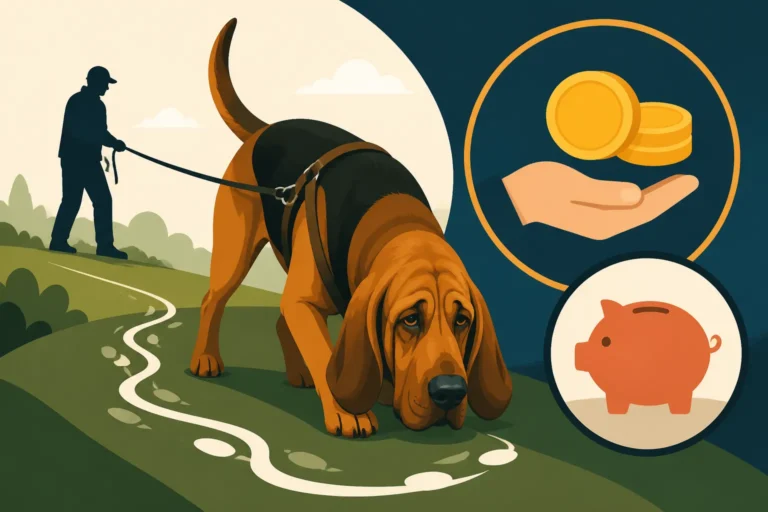
Whether Declining Bloat Surgery on a Bloodhound Is Reasonable
The moment you realize your beloved Bloodhound might be bloating is terrifying. Their deep chests, characteristic of the breed, put them at an alarmingly high risk for gastric dilatation-volvulus (GDV), more commonly known as bloat. This isn't just an upset stomach; it's a rapidly progressing, life-threatening emergency, and every second counts. Faced with such a dire situation, many owners are thrust into the unthinkable position of deciding whether to pursue emergency surgery. This guide will delve into the incredibly difficult decision of whether declining bloat surgery for a Bloodhound is a reasonable, albeit heartbreaking, choice, exploring the factors that lead owners to this crossroads and the implications of their decision.
Understanding the Dire Reality of Bloat in Bloodhounds
Bloat in Bloodhounds isn't just a concern; it's often a ticking time bomb. Our majestic, scent-driven companions are inherently predisposed to this condition due to their unique physiology. It’s a terrifying reality that many Bloodhound owners live with, constantly vigilant for the subtle, early signs.
Why Bloat Is So Dangerous for Bloodhounds
When we talk about bloat, it's crucial to understand it's a two-part problem. First, the stomach fills with gas and fluid (dilatation), causing immense pain and pressure. Then, in most severe cases, the stomach twists on its axis (volvulus), trapping everything inside and cutting off blood supply. This twist is what makes it so incredibly dangerous. For a Bloodhound, whose chest is often deep and narrow, that stomach has more room to swing and twist, increasing their risk exponentially compared to many other breeds. Bloat Is What Kills Most Bloodhounds is a stark reminder of the gravity of this condition for our hounds.
The consequences of this twisting are catastrophic. Blood flow to the stomach is compromised, leading to tissue death. The enlarged stomach can press on major blood vessels, impairing circulation back to the heart, which can cause shock and heart arrhythmias. Toxins build up in the dying tissue and are released into the bloodstream, quickly overwhelming the dog's system. It's a cascade of events that, without immediate intervention, is almost always fatal. The pain is excruciating, and the dog's condition deteriorates with horrifying speed.
The Urgency of Intervention
When a Bloodhound shows signs of bloat – retching without producing anything, a distended abdomen, restlessness, pacing, or even collapse – there is no time to wait and see. This is an immediate, lights-and-sirens emergency. Delaying even for an hour can drastically reduce the chances of survival. You might notice your dog looking at their side, trying to relieve pressure, or adopting a "prayer position" with their front end down and rear end up, which is a classic indicator. Signs a Bloodhound Is Bloating can come on quickly, and recognizing them means the difference between life and death.
Veterinarians will typically confirm bloat with an X-ray, which will clearly show the gas-filled stomach. Once confirmed, the only definitive treatment for GDV is emergency surgery. This procedure aims to untwist the stomach, release the trapped gas and fluid, and assess for any damage to the stomach wall or spleen. If caught early enough, and if the dog's overall health allows, surgery offers the best chance of survival. The speed at which you can get your Bloodhound to an emergency veterinary clinic plays a colossal role in the outcome.
Factors Influencing the Decision to Decline Surgery
The decision to decline life-saving surgery for a beloved pet is one of the most agonizing choices an owner will ever face. It's rarely made lightly and often involves a complex interplay of financial constraints, the dog's age and existing health, and their projected quality of life post-surgery.
Financial Constraints
Let's be brutally honest: emergency veterinary care, especially for a major surgery like bloat, is incredibly expensive. We’re talking about costs that can quickly escalate into thousands of dollars, covering everything from emergency stabilization and diagnostics to the surgery itself, post-operative intensive care, medications, and follow-up visits. What Emergency Bloat Surgery Costs on a Bloodhound can be a shocking number for many families, and it's a figure that often comes without warning, often in the middle of the night when clinics charge premium rates.
Many families simply don't have that kind of money readily available. It's not a reflection of their love for their dog, but a harsh economic reality. For some, pet insurance can be a literal lifesaver, covering a significant portion of these emergency costs. Companies like Healthy Paws offer various plans that can ease the financial burden of unexpected illnesses and accidents. However, not every pet owner has insurance, or their policy might not cover pre-existing conditions if the dog had any prior issues that could be linked. The financial strain can be overwhelming, forcing owners to make decisions they never thought they would.
Age and Existing Health Conditions
A Bloodhound’s age is a significant factor in prognosis and recovery. While younger, otherwise healthy Bloodhounds tend to bounce back well from surgery, an older dog may not. The Median Age a Bloodhound Reaches is unfortunately not as long as some other breeds, and many Bloodhounds are considered seniors around six or seven years old. An older Bloodhound might already be grappling with other age-related issues such as arthritis, heart disease, kidney problems, or cognitive decline. Putting an older, frail dog through extensive anesthesia and a major abdominal surgery carries significantly higher risks.
Similarly, any pre-existing health conditions can complicate the decision. A Bloodhound with known heart problems, liver disease, or even severe hip and elbow dysplasia might struggle immensely with the recovery process. The stress of surgery, coupled with the need for pain management and prolonged confinement during healing, can exacerbate these underlying issues. Owners must weigh the potential for a painful, protracted recovery with a poor prognosis against the immediate relief of euthanasia. It's a question of whether the dog is truly strong enough to endure the ordeal and return to a good quality of life.
Projected Quality of Life Post-Surgery
Even with successful surgery, the recovery from bloat can be challenging. There's a period of hospitalization, often in intensive care, followed by weeks of restricted activity, special diets, and multiple medications. While The Survival Rate for a Bloodhound That Reaches Surgery is respectable, it's not without complications. Owners must consider what life would look like for their Bloodhound afterward. Would they return to their happy, active selves? Or would they be left with chronic pain, anxiety, or a diminished quality of life?
For a Bloodhound that thrives on exploring scents, romping in the yard, and interacting with their family, a recovery that leaves them in constant discomfort or severely restricted might not be considered a kindness. If the surgery's outcome promises a life of significant pain or severely limited mobility, especially for an older dog already struggling, declining the surgery might be seen as prioritizing the dog's comfort and dignity over a prolonged, difficult existence. This is where personal values and a deep understanding of your dog's personality come into play.
The Emotional and Practical Aftermath of Declining Surgery
Once the unthinkable decision to decline surgery has been made, owners are left to navigate an immediate and profound emotional and practical aftermath. It’s a road paved with grief, guilt, and the rapid progression of a terrible disease.
Rapid Progression Without Intervention
Without emergency surgery, a Bloodhound suffering from bloat will not recover. The condition progresses quickly and relentlessly. As the stomach continues to distend and twist, the pain intensifies, the dog's vital organs begin to fail, and shock sets in. The beloved hound will experience increasing distress, labored breathing, and eventually collapse. How Fast Bloat Kills a Bloodhound is measured in hours, not days, making the need for a swift decision paramount.
Watching your dog suffer in this way is unbearable. The rapid deterioration leaves little time for a prolonged goodbye or any easing into the inevitable. The practical reality is that once surgery is declined, the most humane option is usually immediate euthanasia to prevent further pain and distress. This is a compassionate act, albeit a devastating one, intended to spare the animal from what would otherwise be a slow and agonizing death.
The Gut-Wrenching Decision of Euthanasia
Choosing euthanasia is perhaps the hardest decision any pet owner will ever make. It's an act of ultimate love, choosing to end suffering when there are no viable options for recovery or a good quality of life. When bloat surgery is declined due to any of the aforementioned factors – be it financial impossibility, advanced age, or severe co-morbidities – euthanasia becomes the compassionate default. What Euthanasia Costs When a Bloodhound Bloats is a fraction of the cost of surgery, but the emotional price is immeasurable.
This decision carries a heavy emotional toll. Owners often grapple with intense guilt, questioning if they did enough, if they could have found another way, or if they "gave up too soon." It's vital for owners to understand that this choice, while heartbreaking, is made out of deep care and a desire to prevent prolonged agony for their companion. Support systems, whether from understanding family, friends, or pet bereavement counselors, are incredibly important during this time. Remember, you chose to end suffering, not to end love.
Dealing with Grief and Guilt
The grief following such a rapid and traumatic loss can be overwhelming. Unlike a planned euthanasia due to a chronic illness, the suddenness of bloat and the immediate, high-stakes decision-making process can amplify feelings of shock and regret. It’s common to replay the events, wondering if any different choice would have changed the outcome.
It’s important to acknowledge these feelings. Give yourself permission to mourn. Talk about your Bloodhound, remember their unique quirks, their incredible nose, their gentle nature, and the joy they brought into your life. Understand that the decision was made under immense pressure, with limited options, and always with your dog's best interest at heart. Many veterinary clinics have resources for grieving pet owners, and reaching out can provide much-needed comfort and validation during this incredibly difficult time.
Alternatives to Emergency Surgery and End-of-Life Care
While emergency surgery is the only definitive treatment for GDV, when that option isn't feasible, there are crucial considerations for end-of-life care and preventative measures for future pets.
Palliative Care and Comfort Measures
When surgery is declined, the focus shifts entirely to ensuring the Bloodhound's comfort until euthanasia can be performed. This often means administering pain medication immediately to alleviate their severe discomfort. The veterinary team will work swiftly to stabilize the dog as much as possible, primarily to make the passing peaceful rather than to effect a cure.
Palliative care in this context is brief and aims solely at reducing suffering in the moments before euthanasia. It might involve gentle handling, a quiet environment, and ensuring the dog is as free from pain and anxiety as possible. The goal is to provide a compassionate transition, minimizing any further distress caused by the bloat. This is not about managing the condition long-term but about providing dignity in their final moments.
The Role of Preventive Measures for Future Pets
While the current situation is dire, it's natural for owners to reflect on how to prevent such a tragedy in the future, especially if they plan to share their lives with another Bloodhound. Proactive steps can significantly reduce the risk of bloat. One of the most impactful is a prophylactic gastropexy, a surgical procedure that tacks the stomach to the abdominal wall to prevent it from twisting. The Gastropexy Decision Every Bloodhound Owner Faces is a serious consideration for all Bloodhound owners, and it's often performed at the same time as spaying or neutering when the dog is still young.
Other preventative measures include feeding multiple smaller meals throughout the day instead of one large one, ensuring a calm environment during and after meals, and avoiding strenuous exercise immediately before or after eating. Some owners choose slow feeder bowls, which can be found on sites like Chewy, to prevent their Bloodhounds from gulping down food too quickly. While no method guarantees 100% prevention, these steps can significantly lower the risk.
Supporting Your Dog in Their Final Moments
Making the decision to decline surgery and opt for euthanasia is a testament to an owner's love and selflessness, even if it feels anything but. In those final moments, being present with your Bloodhound, offering comfort, soft words, and gentle touches, is incredibly important. Many veterinarians allow owners to be present for the euthanasia process, providing a final opportunity for connection and a peaceful farewell.
Afterward, consider memorializing your beloved companion. This could be through cremation, burial, creating paw prints, or simply cherishing memories and photographs. Allowing yourself to grieve fully is part of the healing process. Consider a special treat or a comfortable bed for an aging Bloodhound from a brand like Ollie, known for personalized food and comfortable accessories, perhaps ensuring their last days, whatever their length, are filled with comfort and good things.
Here's a table summarizing factors often considered when faced with a bloat surgery decision:
| Factor | Option: Proceed with Surgery | Option: Decline Surgery / Euthanasia |
|---|---|---|
| Financial Cost | High, potentially several thousand dollars. | Low to moderate (cost of euthanasia). |
| Dog's Age | Generally better prognosis for younger dogs. | Higher risk/poorer prognosis for senior dogs. |
| Existing Health | Good overall health provides better recovery chances. | Co-morbidities increase surgical risk and recovery burden. |
| Prognosis | Good with early intervention, but not guaranteed. | Fatal without intervention, immediate euthanasia needed to prevent suffering. |
| Recovery Period | Weeks of restricted activity, pain management, hospitalization. | No recovery period, immediate peaceful passing. |
| Quality of Life | Potential return to good quality of life if successful. | Preserves dignity, prevents prolonged suffering if prognosis is poor. |
| Emotional Toll | Stress of decision, worry during surgery/recovery, relief if successful. | Intense grief, potential guilt, sadness, but relief from witnessing suffering. |
| Future Risk | Possible recurrence if gastropexy not performed. | Irrelevant for this individual dog. |
Ultimately, the decision of whether declining bloat surgery on a Bloodhound is reasonable is deeply personal, fraught with emotion, and unique to each individual situation. It's a reflection of your love, your circumstances, and your deepest understanding of what is best for your loyal companion in their moment of greatest need. Whether a Bloodhound Owner Needs an Emergency Fund is a question that, when answered proactively, can make an enormous difference in such a crisis.
Disclaimer
This article is for general informational purposes only and does not constitute professional advice. Laws, prices and regulations vary by location and change over time. Consult a qualified professional for guidance on your specific situation.