The Two Surgeries a Bloodhound Owner Should Expect
Bringing a Bloodhound into your home is an incredible joy, but it also comes with the honest reality that these magnificent hounds have some health vulnerabilities that often require surgical intervention. It can be incredibly stressful and overwhelming when your beloved companion suddenly needs a procedure you didn't anticipate, both emotionally and financially. This comprehensive guide will walk you through the two most common and significant surgeries a Bloodhound owner should genuinely expect to encounter, helping you understand what they are, why they're so prevalent in the breed, and how to prepare for them.
The Lifesaving Intervention: Gastropexy for Bloat Prevention
One of the most terrifying emergencies a Bloodhound owner can face is bloat, or Gastric Dilatation-Volvulus (GDV). It's a sudden, life-threatening condition where the stomach fills with gas (dilatation) and often twists on itself (volvulus), cutting off blood supply and quickly leading to shock and death. The deep, narrow chest conformation of the Bloodhound puts them at a significantly higher risk for this catastrophic event. It's not a matter of if your Bloodhound might bloat, but often when. Bloat Is What Kills Most Bloodhounds is a stark reality for many of us.
Why Bloat is Such a Threat to Bloodhounds
Imagine a balloon tied at both ends, then someone twisting it in the middle. That's essentially what happens to a dog's stomach during bloat with volvulus. The gas and food can't escape, and blood flow to the stomach, and sometimes the spleen, is cut off. The pressure on surrounding organs can also impact breathing and heart function. For Bloodhounds, this risk is deeply embedded in their physical design. Their chest cavity is built for lung capacity and endurance, giving them that signature "deep-chested" look, but it also provides ample room for the stomach to shift and twist. Why a Bloodhound's Chest Shape Causes Bloat is something every owner needs to understand. The onset is rapid, symptoms are often dramatic (retching without producing anything, distended abdomen, restlessness), and time is absolutely critical. Without immediate emergency veterinary care, the prognosis is dire.
What a Gastropexy Involves and When It's Done
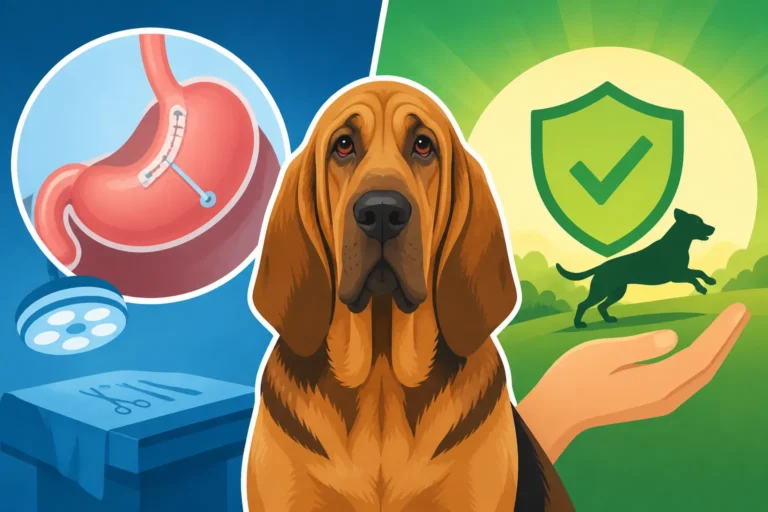
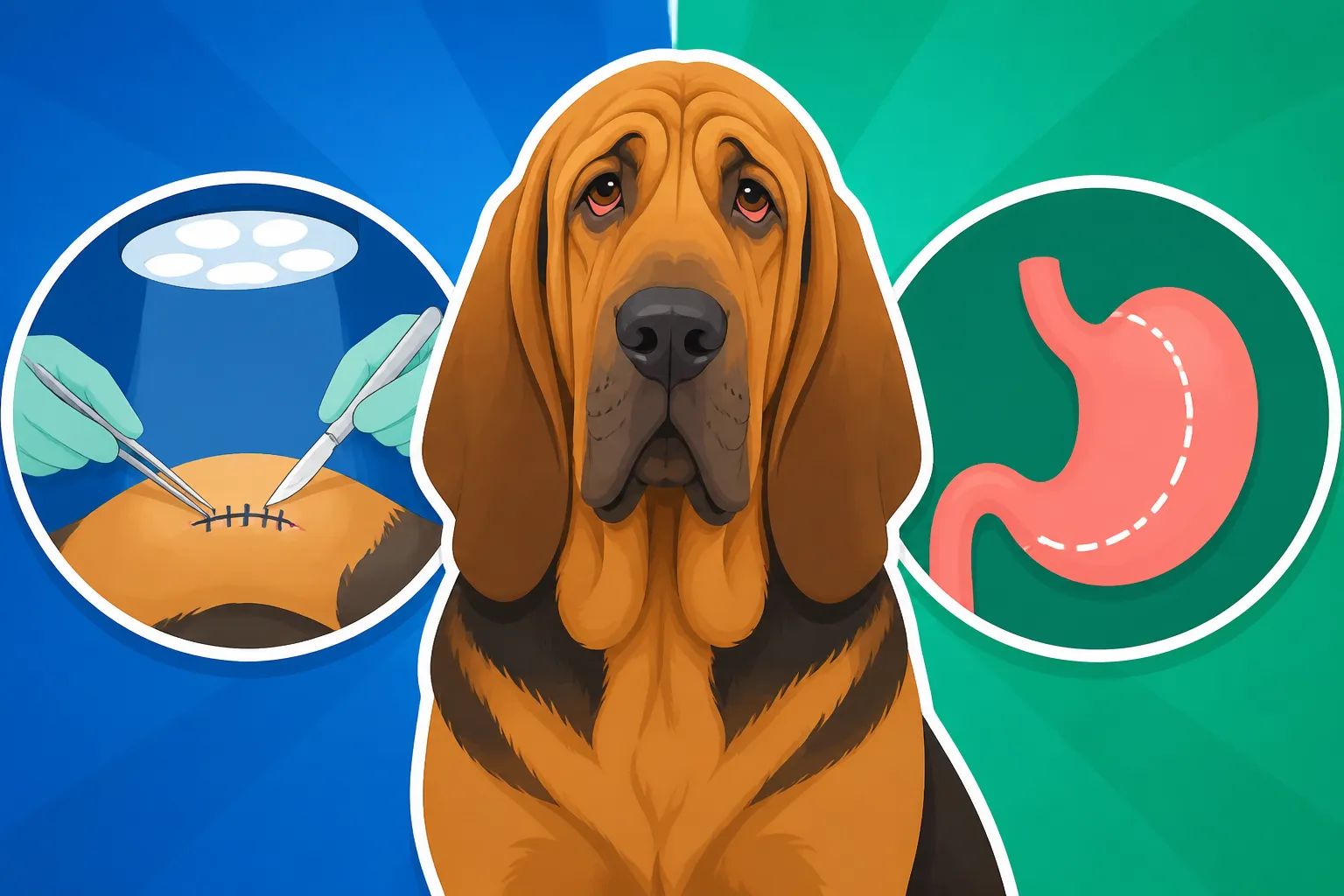
Given the severe and often fatal nature of bloat, many Bloodhound owners opt for a prophylactic gastropexy. This surgical procedure permanently attaches the stomach to the abdominal wall, preventing it from twisting if it ever bloats. It doesn't prevent the stomach from filling with gas (dilatation), but it does prevent the deadly volvulus. What a Preventive Gastropexy Does for a Bloodhound is to remove that terrifying twisting component from the equation. The procedure can be done in a traditional open surgery or a minimally invasive laparoscopic approach, which often means a quicker recovery for your hound.
Many veterinarians recommend performing a gastropexy concurrently with spay or neuter surgery, typically when your Bloodhound is around six to twelve months old. This allows for one anesthetic event and recovery period, making it a more efficient and often less stressful experience for the dog. The Age a Bloodhound Should Have a Gastropexy is a discussion you should have early with your vet, usually before their first birthday. While it's an elective surgery, for a breed at such high risk, it's often considered a standard, responsible measure.
The Cost-Benefit of Proactive Gastropexy
The cost of a preventive gastropexy is certainly an investment, but it pales in comparison to the expense and emotional toll of emergency bloat surgery. Emergency bloat surgery is one of the most expensive veterinary procedures, often involving overnight critical care, extensive diagnostics, and potential complications. It can easily run into thousands of dollars, and even then, there's no guarantee of survival. A preventive gastropexy, on the other hand, is a planned procedure, typically less complex and thus less expensive than an emergency operation.
Think of it as peace of mind. While you might still need to monitor your Bloodhound for signs of gastric distention, you've significantly reduced the risk of the most lethal aspect of bloat. This upfront investment can save you from a late-night dash to the emergency clinic and the agonizing decisions that come with it. Many breeders and experienced Bloodhound owners advocate strongly for this procedure. It’s part of understanding The Gastropexy Decision Every Bloodhound Owner Faces.
Navigating Your Bloodhound's Unique Eye Challenges: The Common Surgical Repairs
If you've ever looked closely at a Bloodhound, you've probably noticed their wonderfully expressive, droopy eyes. While these deep-set, soulful eyes are characteristic of the breed and essential for scent-trailing (they help sweep scent towards the nose), their structure unfortunately predisposes them to several common and often painful eye conditions that frequently require surgery. These aren't just cosmetic issues; they can severely impact your dog's comfort and vision.
Understanding Ectropion and Entropion in Bloodhounds
The most common eyelid issues in Bloodhounds are ectropion and entropion. Ectropion is when the lower eyelid rolls outward, exposing the delicate conjunctiva and the haw (the third eyelid). This exposed tissue is prone to drying, irritation from dust and debris, and chronic infections. It can give your Bloodhound a perpetually sad or tired look. What Ectropion Looks Like on a Bloodhound is quite distinctive, often showing a red rim around the lower part of the eye.
Conversely, entropion is when the eyelid, typically the lower one, rolls inward, causing the eyelashes and fur to rub against the cornea (the surface of the eyeball). This constant rubbing acts like sandpaper on the eye, causing irritation, pain, excessive tearing, and potentially leading to corneal ulcers, scarring, and even vision impairment if left untreated. What Entropion Does to a Bloodhound's Eye can be incredibly uncomfortable for your dog. While some degree of droopiness is standard for the breed, when it causes functional problems, it needs attention. These are just two of The Four Eye Problems a Bloodhound Is Born Toward.
What Eyelid Surgery Aims to Correct
Eyelid surgery for ectropion or entropion involves carefully removing a small wedge of skin and muscle from the affected eyelid(s) to tighten and reposition them, allowing the eyelids to sit correctly against the eyeball. The goal is to prevent irritation, protect the eye from foreign bodies and dryness, and alleviate discomfort. It's a delicate procedure that often benefits from the expertise of a veterinary ophthalmologist, especially for severe cases.
Often, puppies are born with these tendencies, and sometimes temporary "tacking" sutures can be used in young pups to help the lids sit better as they grow. However, definitive surgery is usually performed once the dog is closer to adult size, typically around 6-12 months of age, to ensure the corrections are permanent and well-proportioned for their adult facial structure. Recovery involves protective cones, eye drops, and careful monitoring, but the relief for your Bloodhound is immense.
The Financial Reality of Ophthalmic Care
Eyelid surgery, especially when performed by a specialist, can be a significant expense. It's one of Eyelid Surgery Is the Bill Bloodhound Owners Do Not Expect. The costs can vary depending on whether one eye or both need correction, the complexity of the case, and the veterinary professional performing the surgery. Follow-up care, including prescribed eye drops and recheck appointments, also adds to the overall cost. For owners who haven't factored this in, it can be a real shock.
However, just like with gastropexy, considering the long-term health and comfort of your Bloodhound, these surgeries are often not optional if the condition is causing pain or risking vision. Ignoring ectropion can lead to chronic infections and dry eye, requiring ongoing medication. Untreated entropion risks severe corneal damage, which can be even more painful and costly to manage, potentially requiring even more complex surgical interventions or leading to permanent vision loss. Proactive management and surgical correction often lead to a happier, healthier hound in the long run.
Preparing for the Inevitable: Financial Planning and Support for Bloodhound Surgeries
Knowing that these two types of surgeries are highly probable for a Bloodhound owner can feel daunting, but it also gives you the power to plan ahead. Being prepared, both emotionally and financially, can make a world of difference when the time comes.
Budgeting for Expected Veterinary Expenses
The best approach is to start a dedicated "Bloodhound health fund" from the moment you bring your puppy home. Even small, regular contributions can add up over time. If you have a young Bloodhound, aim to have funds set aside for the gastropexy and potential eyelid surgery around the time of their spay/neuter. For older Bloodhounds without a gastropexy, maintaining an emergency fund specifically for bloat is non-negotiable.
Consider this table for a general overview of these two major surgical considerations:
| Surgery Type | Primary Purpose | Typical Timing | Key Benefit for Bloodhound | Potential Risks if Untreated |
|---|---|---|---|---|
| Gastropexy | Prevents stomach twisting (volvulus) during bloat | Often with spay/neuter (6-12 months) | Dramatically reduces bloat mortality | Emergency bloat surgery with high mortality |
| Eyelid Surgery | Corrects ectropion/entropion, repositions eyelids | After growth plate closure (6-12 months for tacking, 12-24 months for definitive) | Alleviates pain, prevents corneal damage | Chronic pain, infection, corneal ulcers, blindness |
While we can't give specific figures, the cost of these planned procedures is often a fraction of an emergency situation. Shopping for supplies and medications from reputable online sources like Chewy can help manage routine costs, freeing up your budget for these bigger ticket items.
The Role of Pet Insurance in Managing Major Surgeries
Pet insurance can be an absolute lifesaver for Bloodhound owners, particularly when facing these types of significant surgical expenses. Policies like those offered by Healthy Paws can help cover a large percentage of veterinary bills, including those for accidents, illnesses, and often, the surgeries we've discussed here. It's crucial to enroll your Bloodhound when they are young and healthy, before any of these conditions are diagnosed or suspected, as most insurance policies have waiting periods and will not cover pre-existing conditions. What Insurance Will and Will Not Cover on a Bloodhound is important to research thoroughly.
Look for a policy that offers comprehensive coverage for hereditary and congenital conditions, as both bloat predisposition and eyelid conformational issues fall into these categories. While a preventive gastropexy might sometimes be treated differently than an emergency one, the coverage for entropion or ectropion repair is generally standard. Having insurance means you can focus on making the best medical decisions for your Bloodhound without the added burden of overwhelming financial stress. Some owners even consider specialized dog food subscriptions from brands like Ollie, which can offer tailored nutrition to support overall health and potentially minimize certain risks, though specific links to surgical prevention are limited. It’s all about creating a robust safety net for your beloved hound.
Disclaimer
This article is for general informational purposes only and does not constitute professional advice. Laws, prices and regulations vary by location and change over time. Consult a qualified professional for guidance on your specific situation.