What Ear Canal Surgery Costs on a Bloodhound
Dealing with a Bloodhound's chronic ear infections is a relentless battle. You've tried every ear cleaner, every diet change, every medication, only to see that familiar shake of the head and hear the dreaded scratching start all over again. It's not just frustrating; it's heartbreaking to watch your beloved hound suffer, and the constant vet visits can feel like a financial drain with no end in sight. This guide will walk you through what ear canal surgery entails for a Bloodhound, why it becomes a necessary, albeit significant, step, and the various factors that influence the overall cost, helping you prepare for this major decision.
The Relentless Cycle of Bloodhound Ear Infections
If you're a Bloodhound owner, you know their ears are truly magnificent, but they're also a constant source of worry. Their long, heavy leathers, combined with a deep, moist ear canal, create the perfect breeding ground for yeast and bacteria. It's a design flaw, in a way, that evolution just didn't quite perfect for our floppy-eared companions. You might find yourself cleaning them weekly, sometimes even daily, but still, the infections persist. It feels like you're constantly fighting a losing battle, and the sheer persistence of these issues can wear down even the most dedicated owner.
Why Bloodhounds Are Prone to Chronic Ear Issues
The very features that make a Bloodhound so distinctive are also their Achilles' heel when it comes to ear health. Their pendulous ears drape heavily, sealing off the ear canal from much-needed airflow. This creates a warm, humid environment that fungi and bacteria absolutely thrive in. Think of it like a tiny, damp greenhouse tucked away on the side of their head. Add to that the copious amounts of hair within the canal and the natural wax production, and you have a recipe for disaster. It’s no wonder so many Bloodhounds develop recurrent infections, often starting early in life and continuing despite diligent care. We often discuss how a Bloodhound's ears are a standing infection risk, and it’s a reality many owners face year after year.
Beyond the physical structure, Bloodhounds can also be prone to underlying issues that exacerbate ear infections. Allergies, whether environmental or food-related, are a huge culprit. If your hound is constantly itchy, that inflammation often extends to the ear canals, making them even more susceptible. Hypothyroidism is another condition that can weaken the immune system and lead to chronic skin and ear problems. It's not just about cleaning; it's about managing a complex interplay of genetics, anatomy, and potential systemic health issues.
When Medical Management Fails
You’ve probably been through the wringer with ear treatments. First, it's a simple ear cleaner, then antibiotic drops, maybe antifungals, oral medications, and even special medicated flushes your vet prescribed. You follow the instructions to the letter, religiously applying drops twice a day, every day, often needing to hold your wiggly hound down, which becomes a wrestling match neither of you enjoys. You might even switch foods, trying limited ingredient diets, and investing in high-quality options from places like Chewy or Ollie, hoping to rule out food allergies. Sometimes, things improve for a bit, and you breathe a sigh of relief. But then, almost inevitably, the head shaking starts again, the scratching returns, and the distinct, yeasty odor fills the air.
This cycle of treatment and relapse is not only expensive and time-consuming but also incredibly hard on your Bloodhound. Chronic pain, discomfort, and irritation can affect their mood, their willingness to play, and their general quality of life. Over time, the constant inflammation and infection can cause irreversible changes within the ear canal. The tissue thickens and calcifies, eventually narrowing the canal so much that medications can't even penetrate properly. At this point, the medications that once offered temporary relief become ineffective, and you're left with a choice that no owner wants to make: surgery. This is often when a Bloodhound's ear infection becomes permanent without surgical intervention.
Deciding on Ear Canal Surgery
The thought of major surgery for your beloved Bloodhound is scary, especially when it involves their ears, which are such a defining part of their character. You might have tried everything else, exhausted every non-surgical option, and spent countless hours and dollars on treatments that only offer temporary respite. At some point, the question shifts from "Can we treat this?" to "Is surgery the kindest long-term solution?" It’s a heavy decision, laden with emotional and financial considerations.
Signs Your Bloodhound Might Need Surgery
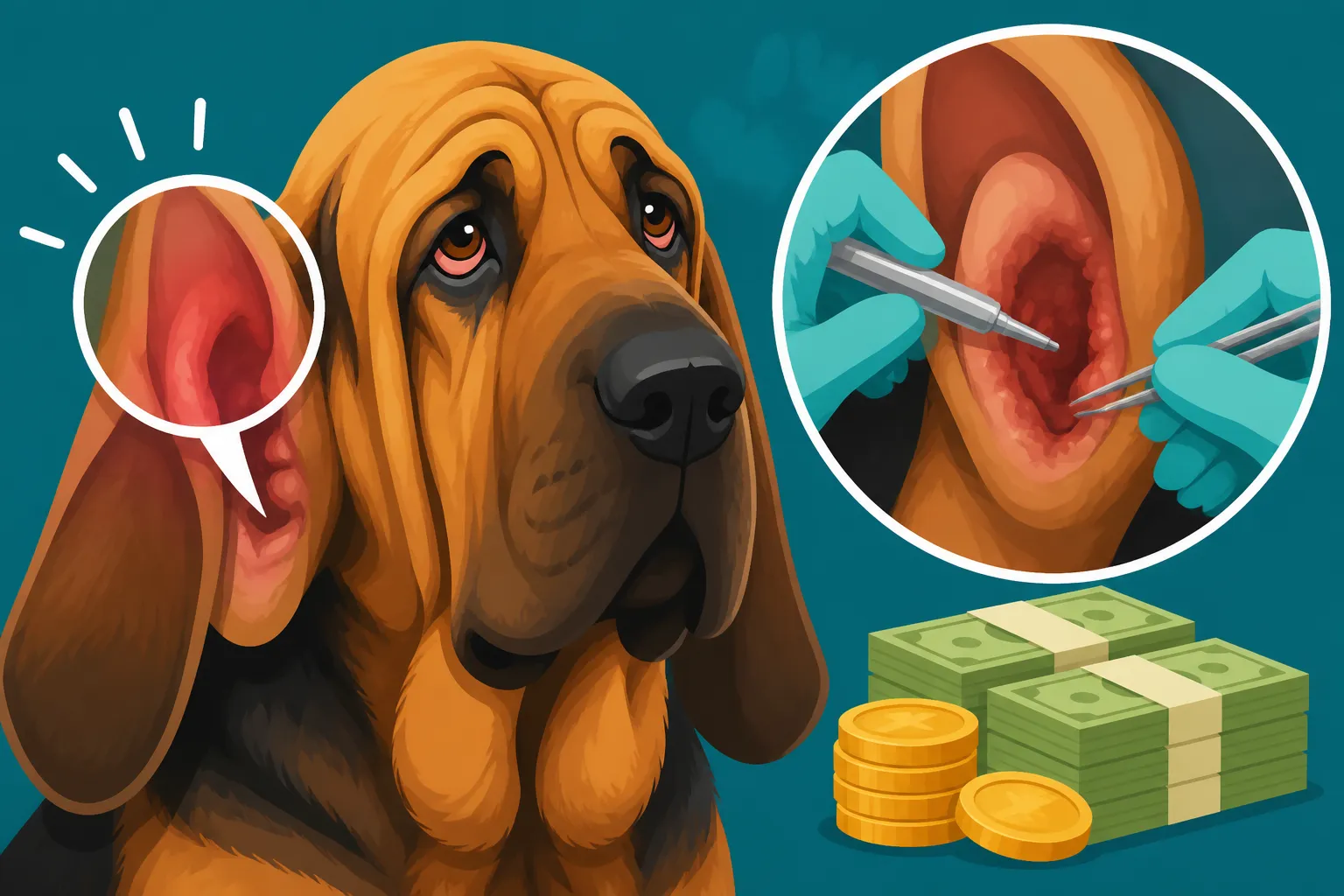
The indications that ear canal surgery, often a Total Ear Canal Ablation (TECA) with Bulla Osteotomy, is becoming necessary are usually quite clear, even if they're painful to acknowledge. If your Bloodhound has been through multiple rounds of antibiotics and antifungals, both topical and oral, with no lasting success, that’s a big red flag. You'll notice they're in constant discomfort: incessant scratching, rubbing their head along furniture, head shaking, and perhaps even crying out when they touch their ears. The inside of their ear might be swollen, red, and painful to the touch, often with a foul odor that no amount of cleaning seems to resolve.
Beyond the visible signs, you might observe behavioral changes. Your usually joyful, goofy Bloodhound might become withdrawn, irritable, or even aggressive when their ears are approached due to chronic pain. They might lose interest in walks or playing, and their sleep might be disrupted. If the infection has progressed to the middle ear, you might notice neurological signs like a head tilt, loss of balance, or difficulty eating. When the ear canal itself starts to calcify and thicken, becoming stiff and unyielding to the touch, it's a clear signal that medical management can no longer reverse the damage. This irreversible change makes it virtually impossible for air or medication to reach the deeper parts of the ear, trapping infection and perpetuating the cycle of pain.
Understanding the Total Ear Canal Ablation (TECA)
A Total Ear Canal Ablation (TECA) with a Lateral Bulla Osteotomy (LBO) is the most common surgical procedure for chronic, end-stage ear disease in Bloodhounds. This isn't a minor procedure; it's a complete removal of the diseased ear canal, from the external opening right down to the middle ear. The goal is to eliminate all infected tissue, remove the source of chronic pain, and prevent future infections. While it sounds drastic – and it is – for a dog suffering from relentless ear pain, it can be a life-changing intervention.
During the TECA, the surgeon carefully dissects and removes the entire ear canal. Then, a bulla osteotomy is performed, which involves opening the bony structure that houses the middle ear to clean out any infected material or debris. This dual approach ensures that both the external and middle ear components of the infection are addressed. One of the most common questions from owners is what a total ear canal ablation means for a Bloodhound. It means freedom from chronic pain, but it also means a loss of hearing in that ear, as the structures necessary for sound conduction are removed. It's a trade-off, but for a dog living in constant agony, regaining comfort often outweighs the hearing loss, especially since severe chronic infections can already significantly impair hearing anyway.
Factors Influencing Ear Canal Surgery Costs
The cost of ear canal surgery for a Bloodhound isn't a single, fixed price. It's a complex puzzle with many pieces, each contributing to the final bill. Understanding these factors can help you anticipate the financial commitment and make informed decisions about your hound's care. It’s certainly one of the two surgeries a Bloodhound owner should expect as a significant expense.
Geographic Location and Veterinary Practice
Just like human healthcare, veterinary costs can vary significantly based on where you live. A procedure performed in a major metropolitan area, like New York City or Los Angeles, will almost certainly be more expensive than the same procedure in a rural town in Kansas. The cost of living, overhead for veterinary practices, and specialist availability all play a role. Larger veterinary referral centers or university veterinary hospitals often have higher fees due to their advanced equipment, specialized staff, and round-the-clock care capabilities. However, they also offer unparalleled expertise.
The type of veterinary practice also influences the price tag. A general practice veterinarian can perform a TECA, but it’s a highly specialized and delicate surgery. Many general practitioners will refer you to a board-certified veterinary surgeon. While a specialist may charge more for their expertise, their experience often leads to better outcomes and fewer complications, which can save money in the long run. When facing a complex surgery like a TECA, seeking out a specialist, even if it means traveling a bit, is often a wise decision, even if it initially seems like a higher upfront cost.
Pre-Operative Diagnostics and Consultations
Before your Bloodhound can even go under the knife, there's a crucial phase of diagnostic work-up. This isn't just about confirming the need for surgery; it's about ensuring your hound is healthy enough for anesthesia and identifying any co-existing conditions that could impact the procedure or recovery. These diagnostics can add a substantial amount to the overall cost.
- Veterinary Consultations: You'll likely have several appointments with your general vet and then a consultation with the specialist surgeon. These consultations involve a thorough examination, review of your Bloodhound's medical history, and detailed discussions about the procedure, risks, and expected outcomes.
- Bloodwork: Comprehensive pre-anesthetic blood panels are essential to assess organ function (liver, kidneys), blood cell counts, and clotting ability. This helps the vet tailor the anesthesia protocol to minimize risks.
- Imaging: X-rays of the skull or, more commonly, a CT scan or MRI, are vital for detailed imaging of the ear canal and bulla. These advanced images allow the surgeon to map out the extent of the disease, identify any spread to surrounding structures, and plan the surgical approach with precision. This can be particularly important for a large breed like a Bloodhound where anatomy can be complex.
- Culture and Sensitivity: Swabs of the ear are often taken for bacterial and fungal cultures to identify the specific pathogens present and determine which antibiotics will be most effective, especially if there’s a persistent infection that needs to be cleared as much as possible before surgery.
These initial diagnostic steps, while adding to the bill, are critical for a safe and successful surgical outcome.
The Surgical Procedure Itself
The core of the cost is, of course, the surgery. This encompasses several components, including the surgeon's fees, anesthesia, surgical materials, and facility charges.
- Surgeon's Fees: This is the primary cost, reflecting the specialist's expertise, the complexity of the procedure, and the time involved. TECA is a demanding surgery that requires precision and experience.
- Anesthesia and Monitoring: Administering and monitoring anesthesia for a large breed like a Bloodhound requires skilled personnel and specialized equipment. Bloodhounds are deep-chested and can have specific anesthetic considerations, so robust monitoring throughout the procedure is non-negotiable. This includes continuous heart rate, respiratory rate, blood pressure, oxygen saturation, and temperature monitoring.
- Operating Room and Supplies: The cost also covers the use of the sterile operating room, surgical instruments, drapes, sutures, and other consumable supplies necessary for the procedure.
Post-Operative Care and Medication
The costs don't end when your Bloodhound leaves the operating room. The post-operative period is critical for healing and can also incur significant expenses.
- Hospitalization: Your Bloodhound will likely need to stay at the veterinary hospital for several days after surgery for pain management, wound care, and close monitoring for complications. The duration of stay depends on the individual dog’s recovery and the hospital’s protocols. This can be one of the more variable expenses, as what a Bloodhound's night in intensive care costs can quickly add up.
- Pain Management: Post-surgical pain control is paramount for comfort and healing. This involves a combination of injectable pain medications while hospitalized and oral pain relievers, anti-inflammatories, and sometimes sedatives to be administered at home.
- Antibiotics: Oral antibiotics will usually be prescribed for a period after surgery to prevent secondary infections.
- E-Collar/Cone: To prevent your Bloodhound from scratching or rubbing at the surgical site, an Elizabethan collar (e-collar or "cone of shame") is essential. While relatively inexpensive, it’s a necessary item to ensure proper healing. You can often find comfortable options on Chewy that help your hound tolerate it better.
- Follow-up Appointments: Several follow-up visits will be needed to check the incision site, remove sutures, and assess your Bloodhound's healing progress.
These post-op necessities are often itemized separately and contribute to the overall financial burden.
What the Procedure Involves
Understanding the actual steps of ear canal surgery can demystify the process and help you feel more prepared. While every case is unique, the general outline of a Total Ear Canal Ablation (TECA) with a Bulla Osteotomy (LBO) follows a fairly consistent path.
The Surgical Process Step-by-Step
Once your Bloodhound is safely under general anesthesia and their vital signs are being continuously monitored, the surgical team springs into action.
- Preparation: The area around the affected ear is meticulously shaved and surgically scrubbed to ensure a sterile field.
- Incision: The surgeon makes an incision around the external ear canal opening and down behind the ear. This allows access to the ear canal and surrounding structures.
- Ear Canal Removal: The diseased vertical and horizontal ear canals are carefully dissected away from the surrounding tissues. This is a very delicate process, as important nerves (like the facial nerve, which controls blinking and facial movements) and blood vessels are in close proximity. The entire cartilaginous ear canal is removed.
- Bulla Osteotomy: After the ear canal is removed, the surgeon then accesses the bony middle ear cavity (the tympanic bulla). A small opening is made into the bulla to allow for the removal of any infected material, polyps, or debris from the middle ear space. The middle ear is thoroughly flushed and cleaned.
- Drainage: In some cases, a temporary surgical drain might be placed to allow for the collection of any fluid that accumulates after surgery. This is typically removed a few days later.
- Closure: Once all infected tissue is removed and the middle ear is clean, the surgical site is meticulously closed in layers. The skin incision is sutured, often with dissolvable sutures internally and non-dissolvable sutures or staples on the outside.
The goal is to remove all sources of infection and pain while minimizing damage to surrounding vital structures. It's a testament to veterinary surgical skill that such a complex procedure is routinely performed, offering a new lease on life for countless dogs.
Potential Complications and Their Costs
While TECA/LBO is generally very successful in relieving chronic pain and infection, no surgery is without risks, and complications can add unexpected costs.
- Facial Nerve Paralysis: The facial nerve runs very close to the ear canal. Temporary or permanent damage to this nerve can lead to facial paralysis, affecting blinking, lip movement, and facial expression on the affected side. While often temporary, severe cases can lead to secondary issues like dry eye, requiring ongoing medication.
- Vestibular Syndrome: This affects balance and can manifest as a head tilt, nystagmus (involuntary eye movements), or difficulty walking. It's usually temporary and improves with time, but severe cases might require supportive care.
- Hemorrhage: While rare, significant bleeding during or after surgery can occur, potentially requiring further intervention.
- Infection: Despite sterile techniques, post-operative infection can still happen, necessitating additional rounds of antibiotics or even surgical revision.
- Seroma: This is a collection of fluid under the skin at the surgical site. It may require drainage by your vet, which adds to the follow-up costs.
- Recurrence of Infection (rare): If not all diseased tissue was removed or if the middle ear was particularly difficult to clean, there's a slim chance of persistent or recurring infection, which would mean more vet visits and treatments.
- Anesthetic Risks: As with any anesthesia, there are inherent risks, though modern veterinary anesthesia protocols are very safe.
Each of these complications, should they arise, would involve additional veterinary visits, diagnostics, medications, or potentially further surgery, significantly increasing the total cost beyond the initial estimate. This is where comprehensive pet insurance from providers like Healthy Paws can be incredibly valuable, helping to mitigate the financial shock of unexpected complications.
Long-Term Outlook and Management
After such a significant surgery, you'll naturally wonder about your Bloodhound's long-term quality of life. The good news is that for dogs who undergo TECA/LBO, the outlook for a pain-free life free from chronic ear infections is overwhelmingly positive. It truly represents an end to suffering for many of these hounds.
Life After Ear Canal Surgery
Adjusting to life with one less (or two less, if both ears were done) external ear opening might seem strange at first, but dogs are incredibly adaptable. Your Bloodhound will no longer suffer from the constant throbbing pain, itching, and irritation that plagued them. Owners often report a dramatic improvement in their dog's demeanor – they become happier, more playful, and more engaged, simply because they are no longer in chronic discomfort.
While your Bloodhound will have some hearing loss in the affected ear(s), this is usually something they've already experienced due to the severe, chronic nature of their infections. Many owners find their dogs adapt quickly, learning to rely more on their other senses, especially their incredible nose. You'll want to be mindful of their reduced hearing in certain situations, especially when calling them from a distance or in busy environments. It’s important to remember whether a Bloodhound loses hearing after ear surgery, and to adjust communication accordingly.
Post-operative care involves keeping the incision site clean and dry, administering prescribed medications, and ensuring your Bloodhound wears their e-collar until sutures are removed. Once healed, the daily chore of ear cleaning will be a thing of the past for that ear! You'll still need to monitor their remaining ear (if only one was done) or general health, but the quality of life improvement is immense.
Ongoing Costs After Surgery
While the major costs are upfront with the surgery itself, there might still be some minor ongoing expenses related to long-term health, though far less than the chronic infection treatments.
- Complication Management: If any long-term complications arose from the surgery, such as permanent facial nerve paralysis leading to dry eye, you would have ongoing costs for eye drops or other treatments.
- Regular Check-ups: Standard annual veterinary check-ups are still crucial for overall health, and your vet will likely want to keep an eye on the surgical site during these visits.
- Specialized Care: If underlying allergies were a factor in the chronic ear infections, managing those allergies will still be important. This might involve special diets (like those available from Ollie or Chewy), allergy medications, or dermatological consultations. These aren't direct costs of the ear surgery, but rather costs associated with managing the root cause that led to the ear issues.
Overall, the financial burden shifts dramatically from constant, reactive treatment of infections to proactive management of general health and any minor residual issues. The investment in surgery usually pays off in terms of your Bloodhound’s comfort and your peace of mind. To truly get a sense of the long-term difference, it can be useful to reflect on what a Bloodhound's chronic ear care costs over a lifetime without surgical intervention, often revealing that surgery can be a more economical and humane choice in the long run.
Preparing for the Investment
Considering ear canal surgery for your Bloodhound is a significant decision, both emotionally and financially. It’s crucial to understand the potential costs and explore ways to make this life-changing procedure accessible for your beloved companion.
Understanding the Cost Spectrum
As we’ve discussed, the cost of ear canal surgery for a Bloodhound can vary widely, but it is unequivocally a substantial investment. You can generally expect the total cost, encompassing diagnostics, surgery, anesthesia, hospitalization, and initial post-op medications, to fall within a range that can often be several thousand dollars per ear. This is not a small sum, and it’s a realistic reflection of the complexity of the surgery, the expertise required, and the level of care involved.
To give you a clearer picture of potential costs, here’s a simplified breakdown of factors that play a role:
| Cost Factor | Impact on Total Cost | Considerations for Bloodhounds |
|---|---|---|
| Geographic Location | Higher in urban/high cost-of-living areas. | Specialist surgeons more common in larger cities. |
| Clinic Type | Specialist/Referral centers cost more than general practice. | TECA often requires a board-certified surgeon. |
| Pre-op Diagnostics | Bloodwork, X-rays, CT/MRI scans add significant cost. | Essential for safe anesthesia and surgical planning, especially with complex anatomy. |
| Anesthesia & Monitoring | Varies by duration, complexity, and anesthetic drugs used. | Large breeds like Bloodhounds require meticulous monitoring. |
| Surgical Fees | Reflects surgeon's expertise, time, and procedure complexity. | TECA is a highly skilled procedure. |
| Hospitalization | Daily rate for overnight stays, includes nursing care, IV fluids. | Typically 1-3 nights post-surgery. |
| Post-op Medications | Pain relief, antibiotics, anti-inflammatories. | Crucial for comfortable recovery at home. |
| Complication Management | Additional costs for rechecks, medications, or further procedures. | Pet insurance can be vital here. |
This table illustrates that it's not just the surgeon's fee, but a whole suite of services and care that contribute to the final bill. Remember, these figures are estimates of the shape of the cost and specific quotes should always be obtained directly from your chosen veterinary facility. It is always wise to ask for an estimate range from your vet.
Financial Planning and Support Options
When facing such a significant expense, it’s completely normal to feel overwhelmed. However, there are several avenues you can explore to help manage the costs.
- Pet Insurance: This is often the most impactful way to manage unexpected veterinary bills, including emergency surgeries or chronic conditions that lead to surgery. If you have a policy from a provider like Healthy Paws, and it was in effect before the chronic ear infections became a pre-existing condition, it could cover a substantial portion of the surgical costs. Many policies cover major surgeries, hospitalization, and even some diagnostic tests. It’s worth checking your policy details thoroughly. If you don’t have insurance yet, consider it for future health issues, although it won’t cover existing conditions.
- Emergency Fund: Having a dedicated emergency fund for your Bloodhound’s health is invaluable. Building up savings over time specifically for veterinary care can provide peace of mind and immediate access to funds when critical decisions need to be made. Some owners set aside a dedicated emergency fund (Whether a Bloodhound Owner Needs an Emergency Fund).
- Payment Plans and Veterinary Financing: Many veterinary clinics understand that pet owners can't always pay for large procedures upfront. They might offer in-house payment plans, or partner with third-party financing options like CareCredit. These options allow you to break down the total cost into manageable monthly payments. Don't hesitate to ask your vet's office about these possibilities.
- Veterinary Charities and Assistance Programs: In some cases, if financial hardship is a barrier to necessary care, there are veterinary assistance programs or charities that may offer grants or support. These are often need-based and can have specific criteria, but they are worth exploring if you qualify.
- Breeder Support: If your Bloodhound came from a reputable breeder, check your breeder contract. Some breeders offer health guarantees that might cover congenital conditions or contribute to the cost of certain health issues, though chronic ear infections leading to TECA are rarely explicitly covered unless it's directly linked to a confirmed genetic defect.
Deciding on ear canal surgery for your Bloodhound is a difficult but often necessary step to end chronic pain and improve their quality of life. By understanding the costs involved and exploring your financial options, you can make the best decision for your beloved hound.
Disclaimer
This article is for general informational purposes only and does not constitute professional advice. Laws, prices and regulations vary by location and change over time. Consult a qualified professional for guidance on your specific situation.