What a Bloodhound’s Second Bloat Would Cost
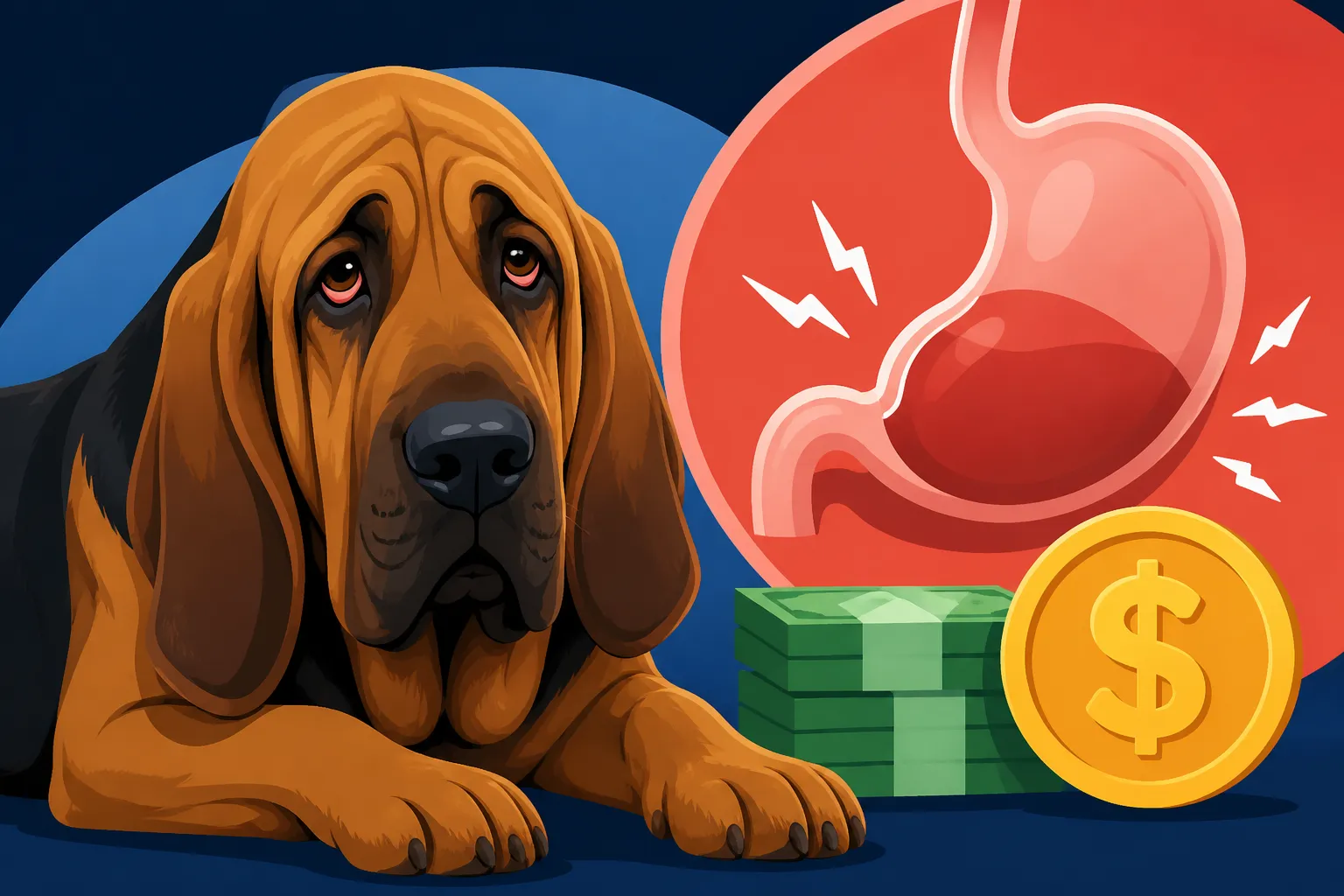
Few things are more terrifying for a Bloodhound owner than the sudden, frantic signs of bloat. It's a race against the clock, a horrifying experience that can leave you emotionally and financially drained. But what if it happens again? The thought of a second bloat episode is a persistent, chilling fear for many, and understanding the potential financial impact is crucial for any owner preparing for the worst or managing a dog who has already survived one such ordeal. This guide will meticulously break down the various cost components of a Bloodhound experiencing a second episode of gastric dilatation-volvulus (GDV), commonly known as bloat, and explore how to prepare for such an event.
The Harsh Reality of Recurrent Bloat in Bloodhounds
Experiencing bloat once is traumatic enough. The emergency dash to the veterinary hospital, the fear, the intense decision-making under pressure, and then the staggering bill – it all leaves an indelible mark. For Bloodhound owners, however, the threat doesn't necessarily end with a successful first surgery. The deep-chested anatomy that defines our beloved hounds also puts them at a disproportionately high risk for this life-threatening condition, and a recurrence, while less likely with certain preventive measures, is always a possibility.
Why a Second Bloat is a Lingering Fear
Even after a Bloodhound has undergone emergency surgery for bloat, the memory of that panic remains. Owners become hyper-vigilant, scrutinizing every burp, every stretch, every moment of discomfort. The fear of a second episode isn't unfounded; while a gastropexy, a procedure that surgically tacks the stomach to the abdominal wall, significantly reduces the risk of the stomach twisting (volvulus) again, it doesn't entirely prevent the stomach from dilating (filling with gas or fluid), which is the first stage of bloat. A dog that has bloated once, even without torsion, remains a candidate for future distension. This means the worry persists, often compounded by the knowledge of what the first emergency entailed. It's a heavy burden, knowing your dog survived a brush with death, only to live with the potential for it to happen again.
The Immediate Financial Hit of the First Bloat
Let's be realistic: the first bloat emergency is often the single largest veterinary bill a Bloodhound owner will ever face. We're talking about a sudden, unexpected expense that can quickly spiral into thousands of dollars. From the moment you arrive at the emergency clinic, a flurry of activity begins: diagnostics like X-rays to confirm the diagnosis, blood work to assess organ function, IV fluids for stabilization, and then, if torsion is present, the immediate preparation for surgery. The surgery itself is complex, often involving untwisting the stomach, assessing damage, and performing a gastropexy to prevent future torsion. Then comes the critical post-operative care, often involving an overnight or multi-day stay in intensive care. The sheer cost of What a Bloodhound's Bloat Surgery Bill Comes To can leave owners reeling, making the prospect of a second such bill feel almost insurmountable. This initial financial shock makes the fear of a second bloat even more acute, as many owners may still be recovering from the first one.
Breaking Down the Costs of a Second Emergency
When a Bloodhound experiences a second bloat, the financial breakdown largely mirrors the first, but with potential nuances and, often, a heightened sense of urgency and despair. The costs accrue rapidly, from the moment you notice the signs and rush your beloved hound to the emergency veterinary hospital.
Emergency Vet Visit and Diagnostics
Just like the first time, the initial emergency visit sets the stage. There will be an emergency consultation fee, often higher after hours or on weekends. The veterinary team will need to confirm bloat again, even if you’re sure. This means more X-rays to visualize the stomach and determine if there's gas distension and whether torsion has occurred. Blood work will be repeated to check for electrolyte imbalances, assess organ function, and evaluate for signs of shock or internal compromise. Stabilizing the dog with IV fluids and pain medication is critical before any further steps. These diagnostic and stabilization efforts are non-negotiable and form the baseline cost of addressing a suspected second bloat. Because the situation is so dire, there's little room for delay or comparative shopping, and the nearest available emergency clinic will be your only option.
The Second Surgical Procedure
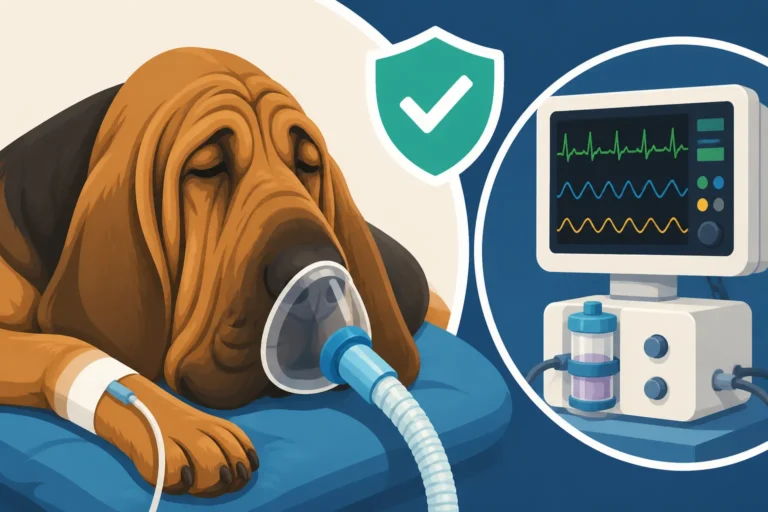
If the second bloat involves torsion, or if the first episode was successfully treated without a gastropexy, a surgical intervention will be necessary once more. The surgical fees for a second procedure can be substantial. This includes the surgeon's time, the specialized equipment, and the dedicated staff (anesthesiologist, surgical technicians). Anesthesia costs are also significant, factoring in the medications, monitoring equipment, and the veterinary professional dedicated to maintaining anesthesia safely throughout the procedure. Supplies like sutures, drapes, and oxygen also add up. If the previous surgery didn't include a gastropexy, it will almost certainly be performed now to reduce the risk of a third torsion. However, even if a gastropexy was performed during the first surgery, a second bloat can still occur, typically as a gastric dilation without torsion. In these cases, surgery might still be necessary to decompress the stomach if non-surgical methods fail or if there are other complications. If the stomach has twisted again despite a gastropexy (a rare but possible occurrence if the tacking failed or broke), the surgery could be even more complex due to adhesions from the previous operation. This added complexity can increase surgical time and, consequently, the overall cost.
Post-Operative Care and Intensive Stay
The period immediately following surgery is critical, and for a second bloat, it might be even more fraught. Bloodhounds require intensive post-operative care, usually involving at least one to three nights in the hospital, often in an intensive care unit (ICU). This care includes continuous intravenous fluids to prevent dehydration and maintain electrolyte balance, comprehensive pain management, antibiotics to prevent infection, and close monitoring of vital signs. The veterinary team will be watching for potential complications such as cardiac arrhythmias, reperfusion injury (damage that occurs when blood supply returns to tissue after a period of ischemia), and peritonitis. Each day in the ICU, with its specialized equipment and dedicated nursing staff, adds to the bill. If complications arise, such as an infection, further diagnostic tests, additional medications, or even secondary procedures may be required, driving the cost even higher. Owners are often told that the first 24-48 hours after surgery are the most crucial for preventing complications and ensuring recovery, so this period of intensive care is indispensable.
Factors Influencing the Final Bill (and Why It Might Be Higher)
Understanding the basic components of a bloat bill is one thing, but knowing what specific factors can inflate that final number, especially for a second occurrence, is vital for realistic financial planning.
The Time of Day and Emergency Surcharges
Bloat, unfortunately, rarely adheres to a 9-to-5 schedule. It often strikes in the middle of the night, on weekends, or during holidays, precisely when veterinary emergency services charge premium rates. Emergency clinics operate 24/7, but the convenience comes at a higher price. Initial emergency consultation fees are usually higher than those at a regular daytime veterinary office, and any procedures, including diagnostics and surgery, performed outside of standard business hours will carry an additional surcharge. For a second bloat, you're likely already in a state of high anxiety, and the last thing you're thinking about is waiting for regular business hours. The urgency of the situation means you'll pay whatever it takes, whenever it happens, adding significantly to the overall expense. Why a Bloodhound's Bloat Costs More After Midnight is a very real factor that can quickly push the bill higher than anticipated.
Geographic Location and Clinic Type
Where you live and the type of veterinary facility you access can dramatically impact the cost. Veterinary care in major metropolitan areas, for example, tends to be more expensive than in rural regions, simply due to higher overheads and cost of living. Similarly, a specialty veterinary referral center with advanced equipment and board-certified surgeons might charge more than a smaller emergency clinic, though they also offer a higher level of expertise and resources. For a complex second bloat, especially if there were complications during the first, your veterinarian might recommend a referral to a surgical specialist, which usually means higher fees. It's not uncommon for owners to consider driving further to a surgical referral center if they believe it offers a better chance of survival for their Bloodhound, but this choice comes with its own increased costs.
Severity of the Second Episode and Complications
The actual condition of your Bloodhound when it arrives at the clinic will heavily influence the final cost. If the stomach has twisted significantly (volvulus) and for a prolonged period, there may be extensive damage to the stomach wall, requiring more complex surgical repair or even partial removal of damaged tissue. The spleen, which is often intimately involved in the torsion, may also be severely compromised. In such cases, Whether a Bloodhound Loses Its Spleen to Bloat can be a critical, life-saving decision that adds another significant cost to the surgery. If the gastropexy from the first surgery has failed or broken, or if the second bloat is a particularly aggressive distension, the surgical time and complexity will increase. Post-operative complications like cardiac arrhythmias, sepsis, or pneumonia will necessitate extended hospitalization, additional diagnostic tests, and specialized treatments, all of which will inflate the bill. The greater the medical intervention required, the higher the overall expense.
Mitigating the Financial Impact of a Second Bloat
While no one wants to imagine their beloved Bloodhound going through bloat again, proactive planning can significantly ease the financial burden if the unthinkable does happen.
The Role of Preventive Gastropexy
This cannot be stressed enough: if your Bloodhound survives a first bloat and did not have a gastropexy performed, that procedure should be seriously considered. A gastropexy is a surgical procedure that permanently attaches the stomach to the abdominal wall, preventing it from twisting. It's a key reason why What a Preventive Gastropexy Does for a Bloodhound is so valuable. While it doesn't prevent the stomach from distending with gas (bloat), it does prevent the life-threatening torsion, which is the most dangerous aspect of GDV. If your Bloodhound had a first bloat that was simply decompressed (gas released) without a gastropexy, the risk of a second, potentially fatal, torsion is exceptionally high. Discuss The Gastropexy Decision Every Bloodhound Owner Faces with your veterinarian. Even if your Bloodhound did have a gastropexy with its first bloat, it's worth understanding that while rare, a gastropexy can fail. If this happens, a second, more complicated surgery would be required, and the costs would reflect that increased difficulty.
Pet Insurance and Financial Preparedness
Pet insurance can be an absolute lifesaver for conditions like bloat, especially when considering a second episode. However, it's critical to understand the policy details. Most pet insurance providers, including popular options like Healthy Paws, consider bloat a "pre-existing condition" once it has happened. This means that if your Bloodhound has already bloated once before you enroll in a policy, that specific condition (or any recurrence of it) might be excluded from coverage. This is why many experienced Bloodhound owners advocate for insuring their puppies as early as possible, before any health issues arise. If your Bloodhound was insured before its first bloat, the policy would likely cover subsequent bloat episodes, subject to deductibles and reimbursement percentages.
Even with insurance, having an emergency fund is prudent. Bloat surgery bills can run very high, and even a policy that reimburses 90% still leaves you responsible for 10% of a potentially five-figure bill, plus your deductible. Many owners find themselves asking Whether a Bloodhound Owner Can Finance Emergency Surgery with options like CareCredit. Knowing How Much a Bloodhound Owner Should Keep Liquid for emergencies can make the difference between being able to save your dog and having to make unthinkable decisions.
Other Support Systems and Budgeting
Beyond insurance and savings, there are other avenues for financial support. Some veterinary practices offer payment plans, or you might be able to apply for third-party financing like CareCredit. Breed-specific rescue organizations or charitable funds sometimes offer assistance to owners facing catastrophic veterinary bills, so it's worth checking with your local or national Bloodhound clubs.
For managing general care and reducing the strain on your budget for everyday essentials, consider purchasing supplies from online retailers. Services like Chewy offer competitive pricing on food, medications, and other supplies, often with auto-ship discounts. This can free up funds that might be needed for unexpected veterinary emergencies. Thoughtful budgeting for a Bloodhound's care, acknowledging their predisposition to certain health issues, is a cornerstone of responsible ownership.
The Emotional Toll and Long-Term Considerations
While the financial aspects of a second bloat are undeniable and severe, it's crucial not to overlook the profound emotional impact on owners. Saving your Bloodhound's life once is a triumph, but facing that horror again brings a unique set of challenges.
Beyond the Money: Stress and Decision Fatigue
The emotional weight of a second bloat episode can be even heavier than the first. The initial shock gives way to a crushing sense of déjà vu, often accompanied by guilt, despair, and overwhelming stress. Owners may question if they missed signs, if they did something wrong, or if their dog is destined for repeated suffering. The decision-making process under such extreme duress, especially when facing astronomical costs, can lead to severe decision fatigue. You're not just weighing the financial cost, but the quality of life for your beloved companion, the recovery period, and the potential for future recurrences. The emotional toll of watching your Bloodhound in distress again, knowing the severity of the condition, is immense and can be as draining as the financial burden.
Long-Term Management and Lifestyle Changes
After surviving a second bloat, owners typically become even more dedicated to preventive measures, adopting lifestyle changes aimed at reducing the risk of further episodes. This often involves very specific dietary management. Many veterinarians recommend feeding smaller, more frequent meals (two or three times a day) instead of one large meal, to prevent the stomach from getting too full. Companies like Ollie, which offer fresh, portioned meals, can be a great option for precise feeding schedules and ensuring good nutrition. Limiting vigorous exercise or excitement for at least an hour before and after meals is also critical. Some owners use slow-feeder bowls to prevent rapid ingestion of food or water, and may even reconsider raised food bowls if they were using them, due to some studies suggesting a potential link to increased bloat risk. You'll likely dive deep into resources like Feeding a Bloodhound So It Does Not Bloat to ensure you're doing everything possible. The constant vigilance, the adjustments to daily routines, and the ever-present awareness of bloat risk become a permanent part of life with a Bloodhound who has experienced this condition more than once. The journey of caring for a Bloodhound who has survived multiple bloat episodes is a testament to the dedication and love of their owners.
Comparative Overview of Bloat-Related Costs
To help visualize the potential expenses associated with a Bloodhound experiencing bloat, particularly a second time, here's a general overview. Please remember these are ranges and actual costs will vary widely based on location, clinic, and complexity.
| Cost Category | First Bloat (Emergency Surgery + Gastropexy) | Second Bloat (Emergency Surgery) – If Gastropexy Failed or Not Done | Second Bloat (Emergency Decompression Only) – If Gastropexy Held |
|---|---|---|---|
| Emergency Exam/Stabilization | Moderate to High | High (often higher urgency/surcharges) | Moderate to High |
| Diagnostics (X-rays, Bloodwork) | Moderate to High | Moderate to High | Moderate |
| Anesthesia | High | High (potentially higher if more complex) | N/A (unless sedation for decompression) |
| Surgical Procedure | Very High | Very High (potentially extreme if complications/adhesions) | N/A (unless surgical decompression needed) |
| Gastropexy (if not done previously) | Included in surgery cost | Included in surgery cost | N/A |
| Spleen Removal (if needed) | Very High Add-on | Very High Add-on (higher likelihood of damage) | N/A |
| Post-Op ICU/Hospitalization | High (1-3 days) | Very High (3+ days, higher monitoring intensity) | Moderate (1-2 days, less intensive) |
| Medications (Pain, Antibiotics) | Moderate | Moderate to High | Moderate |
| Follow-up Appointments | Moderate | Moderate to High | Moderate |
| Total Estimated Range | $4,000 – $10,000+ | $5,000 – $15,000+ | $1,000 – $3,000+ |
| Pet Insurance Impact | Covered if pre-existing excluded | Covered if pre-existing excluded | Covered if pre-existing excluded |
Note: These ranges are illustrative and can vary significantly. Always ask your veterinarian for an itemized estimate, especially if considering a second procedure. Whether a Bloodhound Owner Should Ask for an Estimate Range is always a good idea.
Ultimately, the prospect of a Bloodhound experiencing a second bloat is daunting, both financially and emotionally. However, by understanding the costs involved, prioritizing preventive measures like a gastropexy, securing adequate pet insurance coverage, and building a robust emergency fund, owners can face this possibility with greater confidence and provide the best possible chance of recovery for their cherished hound. Bloat Is What Kills Most Bloodhounds, but preparedness can be a powerful counter to this devastating condition.
Disclaimer
This article is for general informational purposes only and does not constitute professional advice. Laws, prices and regulations vary by location and change over time. Consult a qualified professional for guidance on your specific situation.