What Emergency Bloat Surgery Costs on a Bloodhound
Few things are more terrifying to a Bloodhound owner than the sudden, alarming signs of bloat – a condition that can turn fatal in a matter of hours. The sheer panic isn't just about your beloved hound's life hanging in the balance, but also the immediate financial crisis that often accompanies such a severe emergency. This guide is dedicated to thoroughly breaking down the various components that contribute to the cost of emergency bloat surgery on a Bloodhound, helping you understand where your money goes in those critical moments.
The Immediate Crisis: Understanding the Bloat Emergency
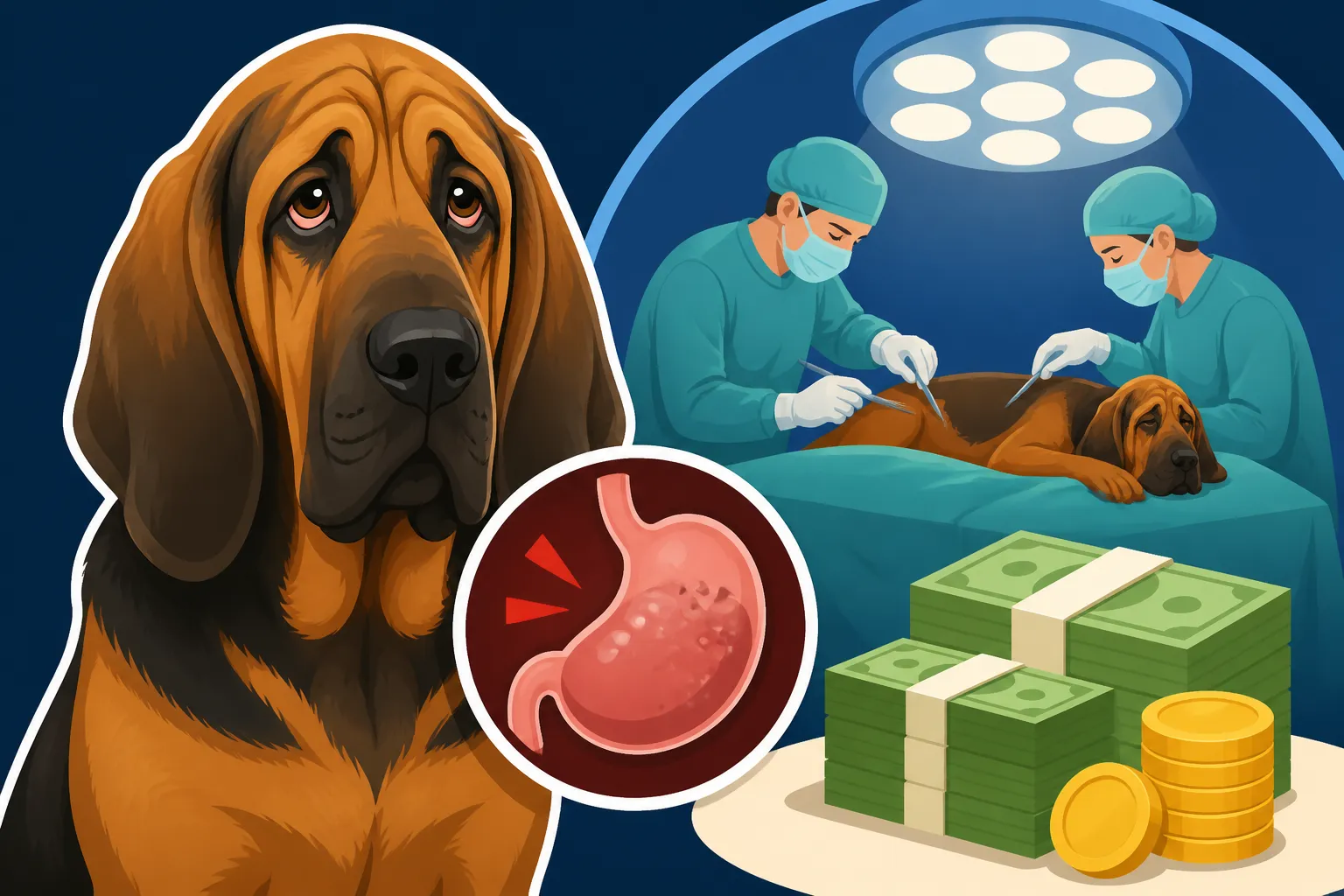
When your Bloodhound suddenly starts pacing, retching non-productively, and develops a distended abdomen, your heart sinks because you know it could be bloat – Gastric Dilatation-Volvulus (GDV). This isn't just a stomachache; it's a rapidly progressing, life-threatening condition where the stomach fills with gas and then twists on itself, cutting off blood supply. The clock starts ticking the moment you suspect it. Understanding the critical nature of this emergency is the first step in grasping why the associated costs are so substantial. You're not just paying for a procedure; you're paying for immediate, intensive care that could save your dog's life.
Recognizing the Signs and Racing Against Time
The symptoms of bloat are unmistakable once you know what to look for, and they demand immediate action. Your Bloodhound might exhibit restlessness, attempt to vomit without bringing anything up, drool excessively, and their abdomen will become noticeably swollen and hard, often painful to the touch. These are all signs a Bloodhound is bloating, and every minute counts. The speed at which you get your dog to an emergency veterinary hospital directly impacts their chances of survival. This urgency means that routine appointments and pricing concerns take a backseat to critical intervention, which naturally inflates costs due to the specialized nature of after-hours care and the need for immediate diagnostics and surgery.
There's no waiting period or "let's see" approach when it comes to GDV. Delaying treatment, even by an hour or two, significantly reduces the prognosis. The phrase "How Fast Bloat Kills a Bloodhound" isn't an exaggeration; it can lead to shock, organ damage, and death very quickly. The initial costs you face will reflect this immediate demand for resources: emergency examination fees, rapid diagnostics, and stabilization efforts that cannot wait until morning.
Why Emergency Clinics Charge More
Emergency veterinary clinics are structured to handle critical situations 24/7, which means they operate with a higher overhead than your regular daytime vet. They maintain staff overnight, on weekends, and during holidays, and have specialized equipment and medications constantly at the ready. When your Bloodhound arrives with suspected bloat, you're tapping into a system designed for immediate, high-stakes intervention. This translates into higher consultation fees, facility fees, and after-hours charges that are standard for emergency care across the board. It's a necessary cost for the availability and expertise that saves lives when your regular vet's office is closed. These clinics are often equipped with advanced surgical suites, intensive care units, and a team of veterinarians and veterinary technicians specialized in critical care, all of which factor into the overall expense.
The Diagnostic Gauntlet: What Happens Before Surgery
Once you arrive at the emergency clinic with your suspected bloat-stricken Bloodhound, a whirlwind of activity begins. The veterinary team will prioritize stabilizing your dog and confirming the diagnosis. This initial phase is crucial, not only for your Bloodhound's health but also for laying the groundwork for the extensive bill you'll receive. Each diagnostic step, while essential, adds to the financial tally.
Initial Stabilization and Assessment
Upon arrival, the veterinary team will immediately assess your Bloodhound's vital signs, looking for signs of shock. They’ll likely place an intravenous (IV) catheter to administer fluids and pain medication, which are critical for stabilizing your dog and preventing further deterioration. This initial stabilization also includes addressing any immediate life-threatening issues, such as dangerously low blood pressure or arrhythmias caused by the twisting stomach impacting other organs.
Following stabilization, the vet will perform a thorough physical examination, focusing on your Bloodhound's abdomen. They'll feel for the characteristic distention and listen for gut sounds. This hands-on assessment is critical for understanding the severity of the bloat and guides the next diagnostic steps. While seemingly straightforward, this initial assessment is performed by experienced emergency veterinarians whose expertise comes at a cost, especially in a crisis situation.
X-rays and Bloodwork: Confirming the Twist
To definitively diagnose GDV and confirm that the stomach has twisted, X-rays are indispensable. A specific X-ray view is taken to show the tell-tale "double bubble" or "paper clip" sign, which indicates the stomach is rotated. Without this imaging, surgery cannot proceed confidently. The cost of these diagnostic images reflects not only the equipment but also the radiologist's interpretation, often done rapidly to avoid delays.
Alongside imaging, a comprehensive panel of blood tests will be run. This includes a complete blood count (CBC) to check for infection or anemia, and a chemistry panel to assess organ function, especially the kidneys and liver, which can be affected by shock. Electrolyte levels are also crucial, as imbalances can lead to heart arrhythmias. These tests help the veterinary team understand your Bloodhound's overall health, gauge the severity of the crisis, and identify any underlying issues that might complicate surgery or recovery. The rapid turnaround time required for these tests in an emergency further contributes to their expense.
Decompression and Pre-Surgical Preparation
Before your Bloodhound can even go to surgery, the veterinary team will often attempt to decompress the stomach. This might involve carefully passing an orogastric tube down their throat into the stomach to release trapped gas and fluid. If tubing isn't possible due to the severe twist, a trocar (a large needle) might be carefully inserted through the body wall directly into the stomach to relieve pressure. This procedure provides temporary relief, making anesthesia safer and the surgery itself potentially less complicated.
While these steps are happening, your Bloodhound will be continually monitored, and pre-surgical medications will be administered. This includes further pain relief, antibiotics to prevent infection, and drugs to manage heart rhythm if needed. The team will also shave and prep the surgical site. All these preparatory steps, the supplies used, and the skilled personnel involved are itemized components of your final bill, highlighting that costs accrue well before the actual incision.
The Surgical Procedure Itself: A Life-Saving Intervention
The core of bloat treatment is surgery, and this is typically the most significant portion of the overall bill. What Emergency Bloat Surgery Does for a Bloodhound is multifaceted: it involves not only untwisting the stomach but also assessing for damage and performing a preventive measure to reduce future risk. This complex procedure requires a skilled surgical team, specialized equipment, and extensive time.
Anesthesia and Monitoring
Anesthesia for a bloat surgery is not a simple matter; it's a high-risk procedure for an already compromised patient. Your Bloodhound will require sophisticated anesthetic agents and continuous, intensive monitoring throughout the surgery. This involves specialized equipment to track heart rate, blood pressure, oxygen saturation, carbon dioxide levels, and body temperature. A dedicated veterinary technician or anesthetist will be present solely to monitor your Bloodhound's anesthetic depth and physiological responses, adjusting as needed to keep them stable.
The choice of anesthetic drugs, the gases used, and the time spent under anesthesia all factor into the cost. Bloodhounds, being large breeds, often require higher doses of medication. Furthermore, the risk of complications during anesthesia, particularly with GDV, means that extra precautions and personnel are always on hand, adding to the expense but also to the safety and success rate of the procedure.
The Detorsion and Gastropexy
The primary surgical goal is to carefully untwist the stomach, a procedure known as "detorsion." The surgeon will assess the viability of the stomach wall and other abdominal organs that may have been affected by the lack of blood flow. In severe cases, parts of the stomach or even the spleen, if damaged, may need to be removed – adding further complexity and cost to the surgery. This assessment and decision-making process requires significant surgical expertise.
After the stomach is returned to its normal position, a procedure called a gastropexy is performed. This involves permanently attaching the stomach to the abdominal wall, which helps prevent future twisting. While a Bloodhound with a gastropexy can still bloat, the stomach cannot twist, which is the life-threatening component of GDV. Many vets consider this a crucial part of the emergency surgery, even if it adds to the time and complexity. The Gastropexy Decision Every Bloodhound Owner Faces is often made in moments of crisis, but it's a decision with long-term preventative benefits. The cost of this additional procedure is typically included in the overall surgical fee, recognizing its importance in preventing a recurrence.
| Surgical Component | Description | Why It Adds to the Cost |
|---|---|---|
| Surgical Team & Anesthetist | Lead surgeon, assistants, dedicated anesthetic monitoring technician. | Highly skilled personnel, extended hours, emergency availability. |
| Anesthesia & Monitoring | Specialized drugs, gases, continuous monitoring equipment (ECG, BP, SpO2). | Cost of advanced medications, sophisticated equipment, constant oversight. |
| Detorsion | Physically untwisting the stomach. | Time-sensitive, delicate procedure requiring expertise. |
| Gastropexy | Suture stomach to abdominal wall to prevent recurrence. | Additional surgical time, materials, and preventative value. |
| Organ Assessment | Checking stomach, spleen, other organs for damage. | Critical decision-making, potential for further procedures (e.g., splenectomy). |
| Surgical Supplies | Sterile drapes, instruments, sutures, gloves, oxygen, fluids. | Single-use items, high-quality materials for patient safety. |
| Blood Products | Transfusions if needed for severe shock or blood loss. | Sourced from blood banks, specialized handling and administration. |
Potential Complications and Extended Surgery Time
Bloat surgery isn't without its risks, and complications can arise during the procedure. For instance, the stomach tissue might be necrotic (dead) due to prolonged lack of blood flow, requiring a partial gastrectomy (removal of part of the stomach). The spleen, which often twists with the stomach, may also be severely damaged and require removal (splenectomy). These additional procedures extend the surgery time, demand more surgical resources, and inherently increase the cost significantly.
The surgeon must also carefully check for any internal bleeding or damage to other organs. The longer your Bloodhound is on the operating table, the more resources are consumed, from anesthesia to surgical supplies, all contributing to a higher final bill. It's a testament to the veterinary team's dedication that they tackle these complex issues, often making real-time decisions that save lives but also add to the financial burden.
Post-Operative Care and Intensive Care Costs
Successfully completing bloat surgery is only half the battle. The post-operative period is equally, if not more, critical for your Bloodhound's survival and involves intensive monitoring and care. This phase can be prolonged and expensive, as complications are common and vigilance is paramount.
Intensive Care Unit (ICU) Stay
After such a major abdominal surgery, especially for a condition that causes systemic shock, your Bloodhound will almost certainly require an extended stay in the Intensive Care Unit (ICU). This isn't just a quiet kennel; it's a specialized area where they receive continuous, round-the-clock monitoring by veterinary staff. Parameters like heart rate, blood pressure, respiratory rate, temperature, and pain levels are constantly observed.
The cost of an ICU stay is significant because it accounts for this constant supervision, the specialized equipment in the unit, and the high staff-to-patient ratio. You're paying for dedicated personnel to administer medications on a strict schedule, monitor for arrhythmias (which are very common after bloat), check incisions, and manage pain. This level of care is non-negotiable for a successful recovery, and the expenses accrue hourly or daily. Understanding "What a Bloodhound's Night in Intensive Care Costs" helps prepare for the financial reality that the immediate post-op period is often as expensive as the surgery itself.
Medications, IV Fluids, and Pain Management
Your Bloodhound will be on a cocktail of medications during their recovery. This typically includes strong pain relievers, antibiotics to prevent infection (especially crucial if any tissue was compromised), anti-nausea drugs, and medications to support heart function and gastrointestinal motility. These drugs are often administered intravenously, requiring continuous IV fluid drips to maintain hydration and deliver medication efficiently.
Fluid therapy is essential for managing shock and supporting kidney function, which can be affected by the initial bloat episode. The cost of these medications, the IV fluids, and the pumps used to deliver them steadily contributes to the daily bill. Moreover, managing post-surgical pain is a top priority, and effective pain protocols often involve multiple medications and techniques, all adding to the comprehensive care and its associated costs.
Monitoring for Complications
The recovery period from bloat surgery is fraught with potential complications, and intensive monitoring is crucial to catch them early. Common post-operative issues include cardiac arrhythmias, sepsis (widespread infection), peritonitis (inflammation of the abdominal lining), and even kidney failure. Each of these complications requires additional diagnostic tests, medications, and potentially further intervention, which can dramatically increase the overall cost. For example, if arrhythmias develop, an ECG will be performed, and anti-arrhythmic drugs will be administered, adding another layer of expense.
The veterinary team will also monitor your Bloodhound for signs of a new bloat episode, though the gastropexy significantly reduces the risk of twist. They'll also check for any signs of surgical site infection or dehiscence (where the incision opens up). The vigilant observation during this critical window is paramount and directly reflected in the ICU pricing.
The Long-Term Financial Impact and Prevention
Even after your Bloodhound recovers from emergency bloat surgery and comes home, the financial implications don't necessarily end. There are follow-up care costs, and for many owners, the experience solidifies the decision to invest in preventative measures or insurance.
Follow-Up Care and Dietary Changes
Once your Bloodhound is discharged, you'll need to schedule follow-up appointments with your regular veterinarian to monitor their recovery, check the surgical incision, and ensure they're healing properly. These recheck appointments, along with any necessary medication refills, will add to your expenses.
Many veterinarians also recommend specific dietary changes after bloat surgery to help prevent future digestive upset and manage overall gastrointestinal health. This might involve special prescription diets or a recommendation for particular foods that are easy to digest and fed in smaller, more frequent meals. Brands like Chewy and Ollie offer various specialized diets that might be recommended by your vet. These dietary adjustments can lead to ongoing changes in your monthly pet food budget. Learning "What a Bloodhound Eats After Bloat Surgery" is crucial for their long-term health and can have financial implications.
Considering Preventive Gastropexy for Other Hounds
The harrowing experience of emergency bloat surgery often prompts owners with other at-risk dogs, or even future Bloodhounds, to consider a preventive gastropexy. This elective surgery, performed before bloat occurs, typically costs significantly less than an emergency bloat surgery because it's planned, not rushed, and often done laparoscopically, which is less invasive. "What a Preventive Gastropexy Does for a Bloodhound" is to safeguard against the life-threatening stomach twist, making it a powerful investment in peace of mind and long-term health.
The cost of a preventive gastropexy can vary based on your location and the veterinary clinic, but it's universally less expensive than treating a full-blown emergency. It often ranges from a quarter to a half of the emergency surgery cost, sometimes even less if combined with another routine surgery like neutering. This significant cost difference highlights the value of proactive health management for large, deep-chested breeds like Bloodhounds.
Lifestyle Adjustments and Ongoing Monitoring
Even after a successful recovery, you'll likely adopt lifestyle adjustments to minimize stress and bloat risk. This includes avoiding strenuous exercise around meal times, using slow feeder bowls, and ensuring a calm environment. While these don't directly add to veterinary bills, they represent an ongoing commitment and potential investment in specialized equipment.
For example, you might choose to purchase a snood to keep your Bloodhound's long ears out of their food and water, improving hygiene and reducing the chance of ear infections which can be a source of discomfort. While seemingly minor, these adjustments are part of the holistic care that becomes the new normal after a bloat scare.
Navigating the Bill: What to Expect and How to Prepare
Receiving the final bill after an emergency bloat surgery can be overwhelming, especially when you've just been through an emotional rollercoaster. However, understanding the common components and how to approach the financial aspect can ease the burden.
Itemized Charges: Dissecting the Statement
Emergency veterinary bills are usually extensively itemized. You'll see charges for every single service, medication, and supply used. This can include:
- Emergency Examination/Consultation Fee: The initial assessment by the emergency vet.
- Diagnostics: X-rays, bloodwork, ECG.
- Stabilization: IV catheter placement, IV fluids, shock medications.
- Anesthesia: Anesthetic drugs, gas, monitoring, and the anesthetist's time.
- Surgery: Surgical fees for detorsion and gastropexy, surgical supplies.
- Post-Operative Care: ICU stay (charged per day or hour), pain management, antibiotics, stomach protectants.
- Additional Procedures: Splenectomy, partial gastrectomy, if necessary.
- Medications for Discharge: Take-home prescriptions.
It's important to remember that these costs reflect not just the "stuff" but the expertise of the veterinarians, surgical specialists, and technicians, along with the overhead of maintaining a fully equipped 24/7 emergency facility. Don't be afraid to ask for a detailed breakdown or for clarification on any line item you don't understand.
Financial Options and Assistance
The sticker shock of an emergency bloat surgery can be immense, often landing in the thousands of dollars. Many owners find themselves asking "Whether a Bloodhound Owner Can Finance Emergency Surgery." Thankfully, several options exist:
- Emergency Fund: Ideally, every Bloodhound owner should have an emergency fund set aside specifically for unexpected veterinary expenses. This is the most straightforward way to cover costs without incurring debt.
- Credit Cards: General credit cards can be used, but interest rates can be high.
- Veterinary Specific Credit Lines: Services like CareCredit are widely accepted by veterinary clinics. They offer special financing options, often with deferred interest periods if the balance is paid within a certain timeframe. This can be a lifesaver in a crisis.
- Payment Plans: Some clinics might offer in-house payment plans, though this is less common for large emergency bills and often requires a significant down payment.
- Pet Insurance: This is perhaps the most proactive approach, discussed in detail below.
- Veterinary Aid Organizations: In some cases, non-profit organizations offer financial assistance for pet owners facing overwhelming veterinary bills. While not always available for every situation, it's worth inquiring if such resources exist in your area.
Being prepared for the financial reality of owning a large breed like a Bloodhound, prone to specific health issues, is a critical part of responsible pet ownership.
Pet Insurance and Proactive Financial Planning
Given the high cost and sudden onset of bloat, pet insurance is a tool that many Bloodhound owners rely on to mitigate financial risk. Understanding what a policy covers and how it works can make a huge difference in an emergency.
How Pet Insurance Handles Bloat
The good news is that most comprehensive pet insurance policies will cover emergency bloat surgery, provided the condition isn't considered pre-existing. This means enrolling your Bloodhound in a policy before any signs of bloat emerge. Companies like Healthy Paws are known for their comprehensive coverage, which typically includes accidents, illnesses, surgeries, and emergency care.
When a bloat emergency strikes, you would pay the veterinary clinic directly, then submit a claim to your insurance provider for reimbursement. After your deductible is met, the insurance company will reimburse you for a percentage of the covered costs (e.g., 70%, 80%, or 90%), depending on your policy. This significantly reduces your out-of-pocket expense. It's crucial to understand "Whether a Bloodhound Policy Caps Bloat" or if there are any specific exclusions related to this condition in your chosen plan. Always read the fine print!
Choosing the Right Policy for a Bloodhound
When selecting pet insurance for a Bloodhound, consider a plan with high annual limits or even unlimited coverage. Given the potential for multiple health issues, including eye problems, hip and elbow dysplasia, and of course, bloat, a robust policy is vital. Look for plans that have a good reimbursement rate and a reasonable deductible. "What Insuring a Bloodhound Costs Monthly" will vary based on your location, your dog's age, and the plan details, but the peace of mind it offers in an emergency is often priceless.
Some policies may also offer wellness plans as an add-on, which can help with routine care costs like vaccinations and annual check-ups, though these typically don't cover emergency surgery. Focusing on an accident and illness plan is key for major events like bloat.
The Value of a Preventive Gastropexy Through Insurance
While a preventive gastropexy is an elective surgery, some pet insurance providers may cover a portion of the cost if it's deemed medically advisable by your veterinarian, especially for high-risk breeds. However, coverage for elective procedures varies much more than emergency care, so it’s essential to confirm with your provider before scheduling. Even if insurance doesn't cover the full cost of a preventive gastropexy, the upfront investment is significantly less than an emergency surgery, making it a wise financial decision for many.
Consider it an investment in your Bloodhound's future health, potentially saving you substantial money and emotional distress down the line. The adage "an ounce of prevention is worth a pound of cure" certainly rings true when it comes to the cost comparison between a planned gastropexy and emergency bloat surgery. For many, the peace of mind knowing you've taken steps to prevent the most life-threatening aspect of bloat is invaluable.
Preparing for the Inevitable: Proactive Steps for Bloodhound Owners
Owning a Bloodhound comes with unique joys and unique responsibilities. Given their predispositions, being proactive about health and financial planning is not just advisable; it's essential.
Understanding Your Bloodhound's Risks
Bloodhounds are magnificent dogs, but their deep chests make them inherently susceptible to bloat. Beyond bloat, they also face other breed-specific health challenges such as Hip and Elbow Dysplasia in the Bloodhound and The Four Eye Problems a Bloodhound Is Born Toward. This knowledge isn't meant to cause worry but to empower you as an owner to be vigilant and proactive.
Regular check-ups with your veterinarian, discussing preventative measures like gastropexy, and understanding the subtle signs of these conditions are all crucial steps. Knowing that A Bloodhound's Ears Are a Standing Infection Risk also highlights the need for consistent routine care, which prevents smaller issues from becoming costly emergencies. The more informed you are about your Bloodhound's potential health issues, the better equipped you'll be to prevent or address them promptly.
Building a Strong Relationship with Your Vet
Having a trusted relationship with your primary care veterinarian is invaluable. They know your Bloodhound's history and can offer personalized advice and guidance. While an emergency clinic will handle the immediate crisis, your regular vet will be instrumental in post-operative care and long-term health management. They can help you plan for a preventive gastropexy, discuss dietary strategies, and guide you through the process of filing insurance claims if you choose to have a policy.
For major procedures or ongoing management of chronic conditions, your vet might also recommend a referral to a veterinary surgical referral center or a specialist. These centers often have cutting-edge equipment and specialists on staff, offering the highest level of care for complex cases. While such referrals come with their own cost implications, they ensure your Bloodhound receives expert treatment for serious issues.
The Two Surgeries to Expect
As a Bloodhound owner, it's wise to anticipate at least two potential major surgeries that could impact your finances. First, there's the highly recommended preventive gastropexy. This elective procedure, ideally done when your Bloodhound is young, perhaps even at the same time as a neuter, significantly reduces the life-threatening risk of bloat. The second potential surgery, often unexpected but unfortunately common, is for eyelid issues like ectropion or entropion. While not as immediately life-threatening as bloat, Eyelid Surgery Is the Bill Bloodhound Owners Do Not Expect can still be a significant cost.
Understanding "The Two Surgeries a Bloodhound Owner Should Expect" helps you budget and plan accordingly. By preparing for these possibilities, you can ensure your Bloodhound receives the best possible care without being caught off guard by the financial demands. Proactive financial planning, whether through savings, a credit line, or pet insurance, is your best defense against the high costs of emergency veterinary care.
Disclaimer
This article is for general informational purposes only and does not constitute professional advice. Laws, prices and regulations vary by location and change over time. Consult a qualified professional for guidance on your specific situation.