What Most Bloodhounds Actually Die Of
It’s a heartbreaking reality that many Bloodhound owners face: these magnificent, soulful hounds often don't live as long as we desperately wish they would. Knowing this, it’s only natural to wonder what the most common causes of death are for Bloodhounds, so we can be better prepared, or even proactively prevent, some of these devastating outcomes. This guide will delve into the leading health threats that cut short the lives of our beloved Bloodhounds, offering insights into what you can do to give your companion the longest, healthiest life possible.
The Unspoken Truth About Bloodhound Lifespan
Bringing a Bloodhound into your life is an unparalleled joy, a commitment to a goofy, loyal, and incredibly scent-driven companion. Yet, the conversation around their lifespan often comes with a quiet sadness. Many owners are surprised and devastated when their seemingly robust hound starts showing signs of aging far earlier than expected for a large breed.
The Median Age and Expectations
When we think of large dog breeds, we often hope for a decade or more of companionship. With Bloodhounds, the reality can be a bit different. While individual dogs certainly defy the odds, the median age a Bloodhound reaches is typically around 7 to 10 years. This range can feel incredibly short, especially when compared to smaller or even some other large breeds. For many, this means saying goodbye to their best friend just as they feel they've truly hit their stride in life. It's a profound grief that hits hard, leaving us wishing for more time. If you're wondering how long a Bloodhound lives, it’s important to manage these expectations and understand that every year is precious.
Why They Die Younger Than You'd Think
It’s a common frustration: why do such strong, athletic dogs, bred for endurance and relentless scent work, have such comparatively short lives? The answer isn't simple, but it largely comes down to genetics, conformation, and the prevalence of certain serious health conditions within the breed. Like many giant breeds, Bloodhounds are prone to a range of issues that can unfortunately lead to premature death. Their unique physical characteristics, while essential for their incredible trailing ability, also predispose them to specific problems. For instance, their deep chests are magnificent for lung capacity but create a higher risk for a particularly deadly condition we'll discuss next. Their genetic history, while responsible for their extraordinary noses and gentle temperament, also carries predispositions to various cancers and orthopedic challenges.
Bloat: The Silent Killer of Deep-Chested Breeds
Without a doubt, one of the most terrifying and common causes of death in Bloodhounds is Gastric Dilatation-Volvulus, more commonly known as bloat. It's a condition that strikes fear into the heart of every deep-chested dog owner, and for good reason: it's incredibly fast-acting and often fatal if not treated immediately.
Understanding Gastric Dilatation-Volvulus (GDV)
Gastric Dilatation-Volvulus (GDV) isn't just an upset stomach; it's a critical medical emergency. It occurs when a dog's stomach fills with gas, food, or fluid, and then twists on its axis. This twisting traps the contents and gas, cuts off blood supply to the stomach and often the spleen, and can quickly send the dog into shock. The pressure from the distended stomach can also compress major blood vessels, further impeding blood flow to the heart and other vital organs. The progression from initial signs to a life-threatening state can happen in a matter of minutes to a few hours, making prompt recognition and action absolutely crucial. Understanding how fast bloat kills a Bloodhound underscores the urgency.
Why Bloodhounds Are Particularly Vulnerable
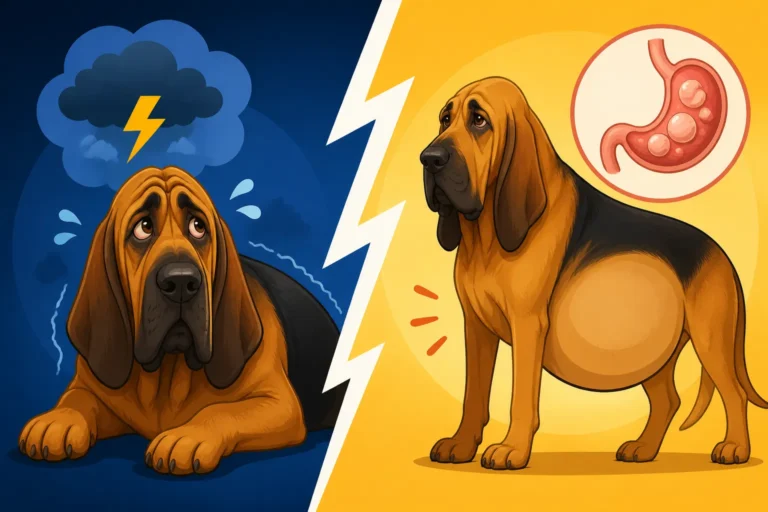
Bloodhounds, with their distinctive deep and narrow chests, are unfortunately at a significantly higher risk for bloat than many other breeds. Imagine a long balloon suspended in an empty box; it has plenty of room to swing and twist. That's essentially what happens with a Bloodhound's stomach in its spacious chest cavity. While the exact causes are still being researched, factors like eating rapidly, eating one large meal a day, excessive exercise or stress around meal times, and even genetics can increase the risk. The American Bloodhound Club asks breeders to screen for various health issues, and while bloat isn't something that can be screened for with a simple genetic test, understanding a dog's lineage can sometimes offer clues about predisposition. A significant portion of Bloodhound deaths are attributed to this condition, with some studies suggesting that whether Bloat accounts for a quarter of Bloodhound deaths is a distinct possibility, making it a primary concern for owners.
Recognizing the Urgent Signs and What to Do
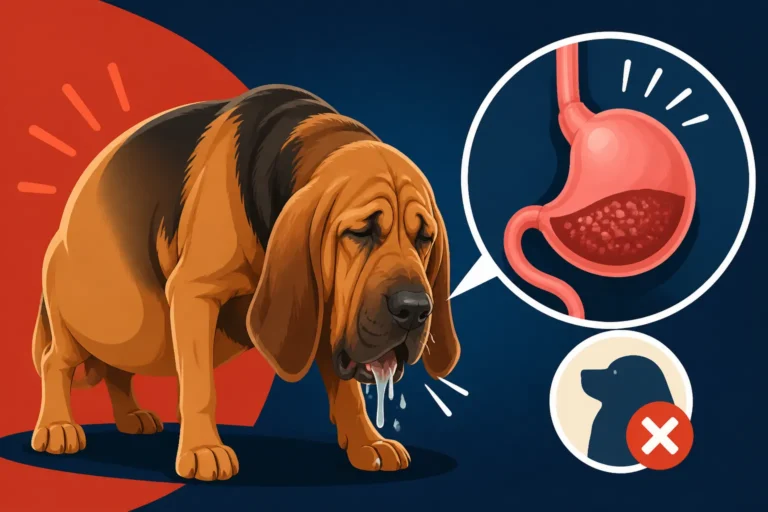
Recognizing the signs of bloat can literally be the difference between life and death. You might notice your Bloodhound attempting to vomit without producing anything (non-productive retching), a visibly distended abdomen that feels hard to the touch, excessive drooling, restlessness, pacing, or an arched back. They might also appear weak, collapse, or have pale gums.
If you suspect bloat, you must act immediately. Do not wait to see if it improves. This is a 24/7 emergency.
- Call your vet or emergency clinic immediately. Inform them you are coming and suspect bloat. This allows them to prepare for your arrival, saving precious minutes.
- Transport your Bloodhound safely. Keep them as calm as possible. Avoid any rough movements.
- Do not try home remedies. There is no effective home treatment for GDV. Attempting to decompress your dog at home or administer medications will only delay professional help and worsen the prognosis.
Emergency surgery is often the only option to untwist the stomach and address any damage. While surgery offers a chance, the survival rate for a Bloodhound that reaches surgery still depends on how quickly intervention occurs and the extent of organ damage. A preventive measure, called a gastropexy, can significantly reduce the risk of the stomach twisting, though it doesn't prevent it from dilating. This is a decision every Bloodhound owner faces. Considering the costs associated with emergency care, having an emergency fund or pet insurance like Healthy Paws can be incredibly helpful for such sudden, critical events.
Other Significant Health Challenges
While bloat often dominates the conversation about Bloodhound mortality, it's far from the only serious health issue these dogs face. Several other conditions contribute significantly to their shorter lifespans and require diligent attention from owners.
Cancer: A Common Foe Across Breeds
Unfortunately, cancer is a widespread issue across many dog breeds, and Bloodhounds are no exception. As they age, the risk of various types of cancer increases. These can include:
- Lymphoma: A cancer of the lymphatic system, which is part of the immune system.
- Osteosarcoma: An aggressive bone cancer common in large and giant breeds.
- Hemangiosarcoma: A fast-spreading cancer of the blood vessel lining, often affecting the spleen or heart.
Early detection is key for improving prognosis and treatment options for many cancers. Regular veterinary check-ups, being observant of any new lumps, bumps, changes in appetite, energy levels, or unexplained weight loss are crucial. While cancer can be a devastating diagnosis, advancements in veterinary medicine offer various treatment paths, including surgery, chemotherapy, and radiation, which can extend life and improve quality of life for affected hounds.
Heart Disease: The Quiet Threat
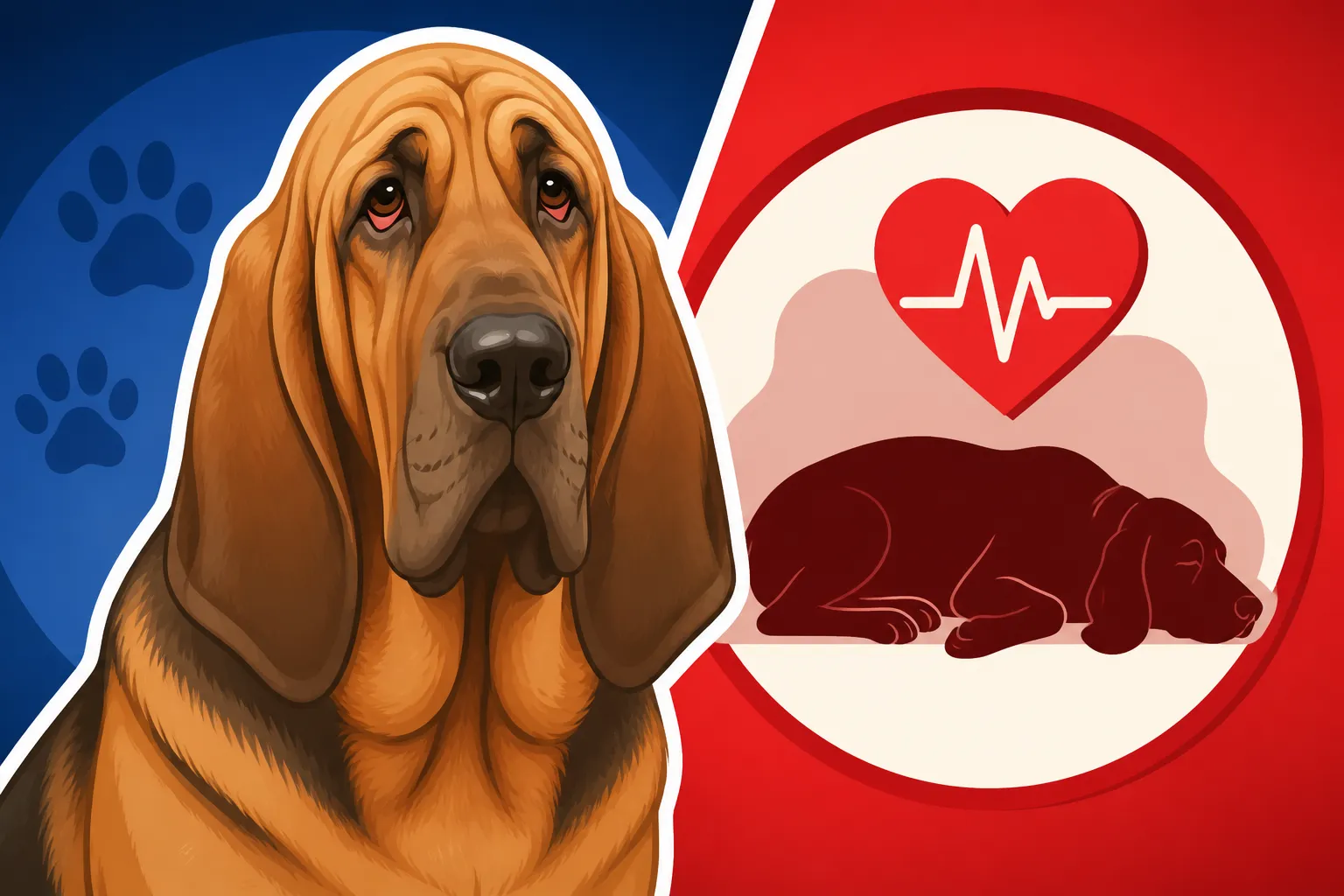
Heart disease, particularly Dilated Cardiomyopathy (DCM), is another significant health concern for Bloodhounds. DCM is a condition where the heart muscle becomes thin and weak, leading to an enlarged heart that struggles to pump blood effectively. This can result in fluid accumulation in the lungs (congestive heart failure) and other serious complications.
Signs of heart disease can be subtle in the early stages, often progressing unnoticed until the condition is advanced. Owners might observe lethargy, decreased exercise tolerance, coughing (especially at night or early morning), difficulty breathing, or even fainting spells. If your Bloodhound gets dilated cardiomyopathy, it's a serious diagnosis. Regular cardiac screenings, especially if your dog comes from a lineage with known heart issues, can help in early detection. Your veterinarian might recommend an echocardiogram or other cardiac tests to monitor heart health, particularly as your Bloodhound ages. The good news is that with early diagnosis, medications can often manage the condition and significantly improve the quality and length of your dog's life.
Orthopedic Issues and Quality of Life
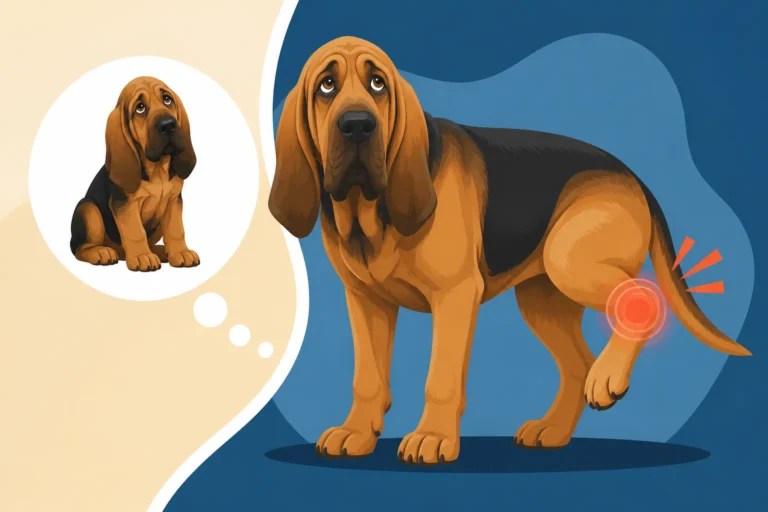
While not always directly fatal, severe orthopedic issues can drastically diminish a Bloodhound's quality of life, sometimes leading to euthanasia decisions when pain becomes unmanageable. Hip and elbow dysplasia in the Bloodhound are unfortunately common. These are genetic conditions where the joints don't form correctly, leading to degenerative joint disease (arthritis) over time.
Bloodhounds are prone to carrying significant weight, which can exacerbate joint problems. The constant strain on improperly formed joints leads to chronic pain, lameness, and reduced mobility. While surgery can sometimes correct severe cases, often the management involves a combination of pain medication, anti-inflammatory drugs, joint supplements, physical therapy, and weight management. The goal is always to keep your Bloodhound comfortable and mobile for as long as possible. Responsible breeders should always screen for these conditions, with certifications like those from the Orthopedic Foundation for Animals (OFA) providing valuable information about a dog's joint health.
Proactive Care: Extending Your Bloodhound's Years
Knowing the common causes of death in Bloodhounds isn't just about understanding the risks; it's about empowering ourselves as owners to take proactive steps. While we can't guarantee a long life, we can certainly stack the deck in their favor through diligent care and preventative measures.
Preventive Measures Against Bloat
Given that bloat is such a prevalent and deadly threat, preventative strategies are paramount. One of the most impactful decisions you can make is to consider a preventive gastropexy. This surgical procedure, often performed during spay or neuter, permanently tacks the stomach to the abdominal wall, preventing it from twisting. While it doesn't stop the stomach from dilating with gas, it eliminates the fatal twisting component, dramatically improving survival rates if bloat were to occur. The two surgeries a Bloodhound owner should expect often include this crucial procedure.
Beyond surgery, here are other practical steps:
- Feed multiple small meals: Instead of one large meal, feed 2-3 smaller meals throughout the day. This reduces the amount of food and gas in the stomach at any one time.
- Slow down eating: Use slow feeder bowls, puzzle feeders, or place a large, heavy object (like a Kong or tennis ball) in their bowl to make them eat around it.
- Avoid vigorous exercise around meal times: Wait at least an hour before and after meals for any strenuous activity. Calm walks are usually fine, but avoid running, jumping, or rough play.
- Reduce stress: Anxious dogs may be more prone to bloat. Create a calm feeding environment.
- Consider diet: While controversial, some studies suggest certain diets (e.g., those with a high-fat content listed among the first four ingredients, or those with citric acid) might increase risk, though more research is needed. Always discuss your Bloodhound's diet with your veterinarian.
Regular Vet Checks and Early Detection
Think of your veterinarian as your Bloodhound's primary care physician. Regular check-ups, at least once a year for adults and twice a year for seniors, are non-negotiable. These visits aren't just for vaccinations; they're an opportunity for your vet to perform a thorough physical exam, catch subtle changes that you might miss, and run routine diagnostic tests.
Blood tests, urinalysis, and sometimes even baseline X-rays can detect issues like organ dysfunction, early signs of cancer, or heart conditions before they become critical. Your vet can also screen for issues like hypothyroidism in a Bloodhound, a common endocrine disorder that can affect metabolism, weight, and coat health. Early detection allows for earlier intervention, which often means more effective and less invasive treatments, and ultimately, a better prognosis. It's an investment in your dog's future, and a cornerstone of proactive health management.
The Role of Diet and Exercise
Proper nutrition and appropriate exercise are foundational to your Bloodhound's overall health and can play a significant role in mitigating the risks of various diseases.
When it comes to diet, feeding a Bloodhound so it does not bloat is a primary concern. Choose a high-quality, large-breed dog food that meets their nutritional needs. Avoid overfeeding, as maintaining a lean body condition is crucial. Obesity puts extra strain on joints, exacerbates orthopedic issues, and can contribute to other health problems like heart disease and diabetes. Your vet can help you determine the ideal weight and feeding plan for your individual Bloodhound.
Exercise for a Bloodhound needs to be consistent but never overdone, especially when young. While they have incredible stamina for trailing, their large frames and growing joints need protection. Long, sniffing walks are perfect, allowing them to engage their powerful noses without excessive impact. Avoid forced, repetitive exercise on hard surfaces. As they age, keeping them gently active helps maintain muscle mass and joint flexibility, which can slow the progression of arthritis. Always allow for adequate rest after eating to minimize bloat risk.
By understanding the common health challenges and implementing these proactive measures, you can provide your Bloodhound with the best possible chance at a long, fulfilling life, full of happy trails and companionship.
Common Causes of Bloodhound Mortality
To help visualize the primary health concerns we've discussed, here's a summary of the most common causes of death in Bloodhounds. This table highlights their prevalence and typical impact.
| Cause of Death | Prevalence/Impact | Key Preventative Measures |
|---|---|---|
| Bloat (GDV) | Extremely high risk in Bloodhounds due to deep chest conformation. Rapidly fatal if not treated immediately. Accounts for a significant percentage of deaths. | Preventive gastropexy, multiple small meals, slow feeder bowls, avoid exercise around meals, stress reduction. |
| Cancer | Common across many large breeds, including Bloodhounds. Types like lymphoma, osteosarcoma, and hemangiosarcoma are prevalent. | Regular vet checks, prompt investigation of lumps/bumps or behavioral changes, maintaining a healthy weight, good nutrition. |
| Heart Disease | Dilated Cardiomyopathy (DCM) is a concern. Can lead to heart failure. Often progressive and can be subtle in early stages. | Regular vet checks, cardiac screenings (especially with family history), managing weight, appropriate exercise, balanced nutrition. |
| Orthopedic Issues | Primarily Hip and Elbow Dysplasia, leading to severe arthritis. While not always directly fatal, can severely reduce quality of life and lead to euthanasia decisions. | Responsible breeding (OFA/PennHIP screening), maintaining a lean weight, controlled exercise in puppyhood, joint supplements, pain management as needed. |
| Infections | Though less common as a primary cause of death, severe untreated infections (e.g., chronic ear infections, skin fold dermatitis) can lead to systemic illness or necessitate difficult treatment. | Consistent grooming (ear cleaning, fold wiping), addressing any signs of infection promptly with vet care. A Bloodhound's ears are a standing infection risk, highlighting the importance of this. |
Disclaimer
The information provided in this article is for educational and informational purposes only, and does not constitute veterinary advice. Always consult with a qualified veterinarian for any health concerns or before making any decisions about your Bloodhound's care.