What Fold Dermatitis Does to a Bloodhound
It’s a heartbreaking reality for many Bloodhound owners: those gorgeous, saggy folds that give our hounds their unique, noble expression are also hotbeds for frustrating, persistent skin issues. You adore their loose skin, the way it ripples when they move, but you also dread the tell-tale redness, the unpleasant odor, and the endless scratching that signals another bout of fold dermatitis. This guide is here to walk you through exactly what this condition entails, how it impacts your beloved Bloodhound, and the best ways to tackle it, because living with constant irritation is no fun for anyone.
The Unique Anatomy of a Bloodhound's Skin Folds
Bloodhounds are masters of scent, and much of their distinct appearance, from their long, droopy ears to their wrinkled faces and copious dewlaps, is designed to enhance their incredible olfactory abilities. However, these very features, while beautiful and functional for tracking, create an environment ripe for skin problems. It’s a classic case of form meeting function, but sometimes the function comes with a downside for daily comfort.
Where Bloodhound Skin Folds Are Most Prominent
When you look at a Bloodhound, you can't help but notice the sheer amount of loose skin. These beautiful, soft folds aren't just decorative; they actually help sweep scent towards their powerful noses. But they also create warm, moist pockets that can become problematic. You'll primarily find these folds around their eyes, creating that perpetually sad, soulful expression, across their muzzle, framing their lips, and forming prominent jowls. Don't forget the extensive dewlap hanging from their throat and chest, often extending to their shoulders, and even rolls of skin over their back and legs.
Each of these areas presents its own unique challenge. The facial folds can trap food, dirt, and moisture from drinking, while the dewlap can rub against itself, particularly in warmer weather or if your hound is a bit on the heavier side. Understanding exactly where a Bloodhound's skin folds sit is the first step in appreciating the constant vigilance required to keep them healthy. It’s not just about aesthetics; it’s about managing a breed-specific vulnerability.
Why These Folds Are a Perfect Breeding Ground for Issues
Think about it: skin rubbing against skin, trapped moisture from drool, water bowls, or even just humidity in the air, poor air circulation, and the general collection of environmental debris. These are all ingredients for a perfect storm, creating an ideal breeding ground for bacteria and yeast. The folds effectively create mini-incubators on your dog's body, where warmth and moisture allow opportunistic microorganisms to flourish.
This isn't just a minor annoyance; it’s a constant battle against nature for a Bloodhound owner. The skin within these folds, deprived of air and subjected to constant friction, becomes inflamed and weakened, making it even more susceptible to infection. It’s why you might feel like you’re constantly wiping and cleaning, only for the problem to resurface. The very genetics that give your Bloodhound its remarkable tracking ability also predispose them to these chronic skin conditions. It's truly a double-edged sword for our floppy-faced friends.
Unpacking Fold Dermatitis: What It Is and How It Starts
Fold dermatitis, also known as skin fold pyoderma, is essentially an inflammatory condition of the skin that occurs within these skin folds. It’s a common issue in breeds with excess skin, and our beloved Bloodhounds are practically poster children for it. It's not just a surface irritation; it's a deep-seated problem that can cause significant discomfort and pain if left unchecked.
The Role of Moisture and Friction in Skin Fold Dermatitis
Imagine constantly having damp, warm skin that's rubbing against itself. That's essentially what happens inside a Bloodhound's folds. The constant friction causes tiny abrasions and irritation, creating micro-traumas on the skin's surface. These small breaks in the skin's barrier make it easier for pathogens to penetrate and set up shop. Add to this the persistent moisture from drool, tears, food particles, or even just sweat and humidity, and you have an environment where the skin can't "breathe" or dry properly.
This combination of moisture and friction breaks down the skin's natural protective layers. The skin becomes macerated, turning soft and spongy, much like your fingers might after a long bath. This weakened, irritated skin is then highly vulnerable to inflammation and infection. It’s a vicious cycle: the irritation leads to more moisture (from exudate or licking), which leads to more irritation, and so on.
Common Pathogens Involved: Yeast and Bacteria
Once the skin barrier is compromised by moisture and friction, it becomes an open invitation for microorganisms that are naturally present on the skin to overgrow and cause problems. The usual culprits are bacteria, particularly Staphylococcus species, and yeast, most commonly Malassezia pachydermatis. These aren't inherently "bad" organisms; they live on healthy skin too. The issue arises when the environment in the folds changes, allowing them to multiply uncontrollably.
A yeast infection will often present with a greasy, reddish appearance and a distinct, somewhat sweet or "yeasty" odor, while bacterial infections tend to be more purulent, with pus, crusts, and a stronger, more acrid smell. Sometimes, both are present, making the infection even more challenging to resolve. It's important to remember that these aren't "dirty dog" infections, but rather a consequence of their unique physiology. Understanding whether yeast or bacteria is more common in a Bloodhound's ear (a similar fold-related issue) can give you insight into the types of pathogens at play here.
The Early Warning Signs You Can't Miss
Catching fold dermatitis early is crucial for preventing more severe discomfort and making treatment easier. Your Bloodhound, being the stoic soul they often are, might not always make it obvious they’re in pain, but there are definite signs to watch for. One of the first things you might notice is an unusual odor emanating from the folds. It can range from yeasty to cheesy to downright putrid, depending on the severity and type of infection.
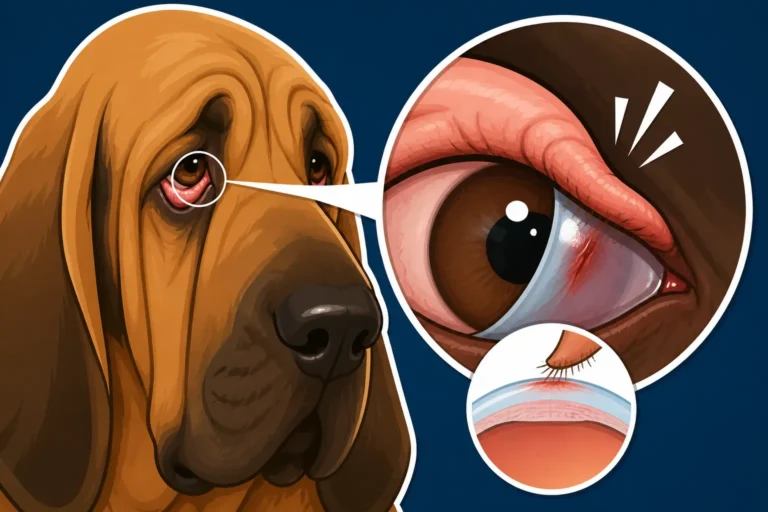
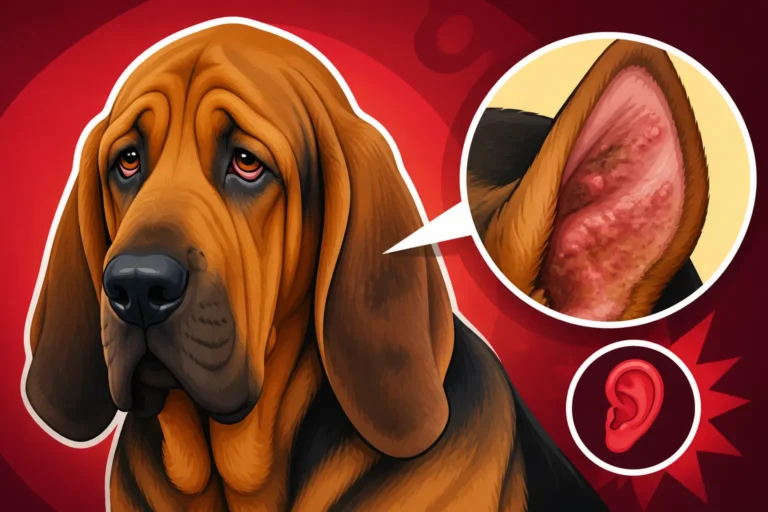
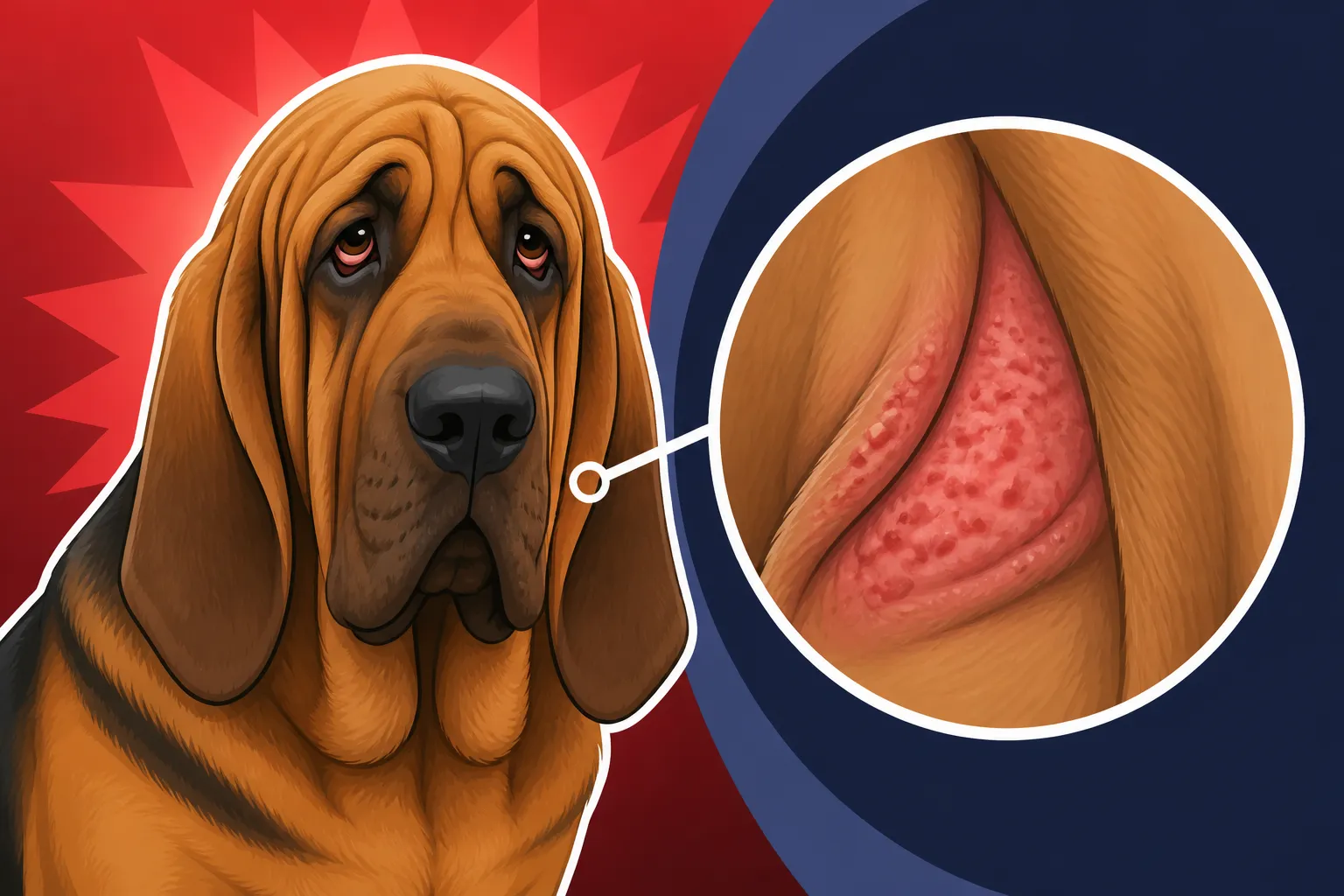
Beyond smell, visual cues are key. Look for redness, inflammation, and moist, irritated skin within the folds. Your dog might start scratching, rubbing their face on furniture, or pawing at the affected areas more frequently. They might also start shaking their head more if the folds around their ears are affected. Pay close attention if your Bloodhound's neck roll needs daily attention, as this is a prime spot for issues. Sometimes, you’ll see brown or reddish-brown discharge, crusts, or even hair loss in the affected area. Don't dismiss these subtle changes; they're your hound's way of telling you something is amiss. Checking the folds should be part of your regular grooming routine, especially after meals or drinking.
The Uncomfortable and Painful Effects on Your Bloodhound
Fold dermatitis isn't just a cosmetic problem; it's genuinely uncomfortable and can be quite painful for your Bloodhound. When left untreated, or if it becomes a chronic issue, it can significantly impact their quality of life, making everyday activities, even eating and sleeping, a source of irritation.
Chronic Irritation and Itching
Imagine having an incessant itch in a spot you can barely reach, or a constant chafing that never quite heals. That’s the reality for a Bloodhound suffering from chronic fold dermatitis. The inflammation, the presence of bacteria and yeast, and the constant rubbing combine to create intense pruritus, or itching. This leads to a cycle of scratching, rubbing, and licking, which only exacerbates the problem.
The more your Bloodhound scratches, the more they further traumatize the delicate skin, introducing more bacteria and worsening the inflammation. This can prevent the skin from healing, making the condition stubbornly persistent. This chronic irritation can make your usually calm Bloodhound restless, anxious, and generally unhappy. They might pace, struggle to settle, or even snap if the irritated area is touched due to the pain and sensitivity. It’s not just skin deep; it impacts their overall demeanor and comfort.
Foul Odor and Discoloration
One of the most immediate and noticeable effects of fold dermatitis is the unpleasant odor. As the bacteria and yeast proliferate and the skin breaks down, they produce volatile compounds that create a distinct, often strong, and repulsive smell. Many Bloodhound owners know that signature "Bloodhound smell" that isn't quite right, and often, fold dermatitis is the culprit. Whether a Bloodhound carries an odor from its folds is a common concern, and the answer, unfortunately, is often yes, when infection sets in.
In addition to the smell, you might notice changes in the skin's color. The affected areas can become intensely red and inflamed in acute stages. Over time, with chronic inflammation, the skin can thicken and become hyperpigmented, turning a darker, leathery brown or black. This discoloration is a sign of long-standing irritation and can be difficult to reverse completely, even after the infection is cleared. The hair in these areas might also become stained or matted with discharge, further contributing to the unkempt and uncomfortable appearance.
Potential for Deeper Infections and Systemic Issues
While fold dermatitis often starts as a superficial skin problem, the constant breakdown of the skin barrier can open the door to more serious, deeper infections. If the bacteria penetrate beyond the epidermis, they can cause cellulitis, a deeper skin infection, or even abscesses. In severe cases, particularly if the infection goes untreated, it could lead to systemic illness.
Though rare, deep-seated infections can lead to fever, lethargy, and a general feeling of malaise in your Bloodhound. If the infection spreads, it could potentially enter the bloodstream, leading to sepsis, a life-threatening condition. This highlights why taking even seemingly minor skin fold irritations seriously is crucial. What starts as a simple redness can escalate into something much more concerning if not properly managed. This is why it's so important to address signs a Bloodhound's fold is turning and to understand whether a Bloodhound's fold infection needs antibiotics promptly.
Diagnosis and Treatment Approaches for Fold Dermatitis
When you notice those tell-tale signs, it’s time for a trip to the vet. Don't try to guess or self-diagnose for too long, as early and accurate diagnosis is key to effective treatment. Your veterinarian will be your best ally in getting your Bloodhound comfortable again.
Veterinary Examination and Diagnostic Tests
Your vet will start with a thorough physical examination, paying close attention to all the folds – facial, labial (lip), neck, and even vulvar folds in females, or tail folds if present. They’ll assess the redness, swelling, discharge, and odor. To confirm the presence of yeast or bacteria and identify the specific culprits, they will likely perform some simple diagnostic tests.
The most common tests include cytology, where a swab or impression smear of the affected skin is taken and examined under a microscope. This allows the vet to see the presence and type of yeast or bacteria, and inflammatory cells. In some cases, especially if initial treatments aren't working or if the infection is deep, a bacterial culture and sensitivity test might be recommended. This involves sending a sample to a lab to grow the bacteria and determine which antibiotics will be most effective against them. This targeted approach prevents using ineffective medications and helps you avoid the costs of trial-and-error treatments.
Topical Treatments and Medications
For many cases of fold dermatitis, especially if caught early, topical treatments are the cornerstone of therapy. These can include medicated shampoos, wipes, sprays, and ointments designed to kill bacteria and yeast, reduce inflammation, and promote healing. Your vet might prescribe antiseptic wipes containing chlorhexidine or miconazole for daily use, or a topical cream with antibiotics, antifungals, or steroids.
It’s absolutely crucial to follow your vet's instructions precisely regarding the frequency and duration of these treatments. Cleaning the folds thoroughly before applying any topical medication is vital to ensure the medication can reach the skin and be effective. Sometimes, a medicated shampoo like Douxo S3 Pyo or Malaseb can be used for initial deep cleaning, followed by daily maintenance with wipes or sprays. You might even find yourself wondering whether a Bloodhound's folds need a medicated wash regularly to keep things at bay, and often, the answer is yes, as part of a preventive routine.
When Oral Medications or Surgery Become Necessary
If the fold dermatitis is severe, widespread, or hasn't responded to topical treatments, your vet might prescribe oral medications. This often includes oral antibiotics for bacterial infections or oral antifungals for yeast infections. These systemic medications work throughout the body to clear the infection from the inside out. Anti-inflammatory medications, such as corticosteroids, might also be used short-term to reduce severe itching and inflammation, providing your Bloodhound some much-needed relief.
In persistent, recurrent, or extremely severe cases where medical management isn't providing long-term relief, surgical intervention might be considered. This involves a procedure called fold resection or cheiloplasty (for lip folds), where the excess skin is surgically removed to eliminate the problematic fold. This is often seen as a last resort, as it's an invasive procedure requiring anesthesia and recovery time. However, for a Bloodhound suffering from debilitating chronic infections, it can offer a permanent solution and significantly improve their quality of life. The decision to pursue surgery is a serious one, and it's important to discuss the potential benefits, risks, and recovery with your veterinarian. Just like with any significant veterinary expense, understanding a Bloodhound's money is spent in the operating room, and having a good pet insurance plan like Healthy Paws can help manage the financial aspect of such a decision.
Proactive Management and Prevention Strategies
While treatment is important, the real game-changer for Bloodhounds prone to fold dermatitis is a strong proactive management and prevention strategy. This involves consistent daily care and making sure you’re addressing any underlying factors that might contribute to the problem.
The Criticality of Daily Cleaning and Drying
This cannot be stressed enough: daily cleaning and drying of your Bloodhound’s folds are non-negotiable. It's the absolute best defense against the moist, warm environment that fosters infection. You need to get into every single fold, gently wiping away debris, drool, and moisture. For face folds, after every meal and drink is ideal. For other folds, a thorough daily wipe-down is usually sufficient.
What to wipe a Bloodhound's folds with? Gentle, unmedicated pet wipes or a soft cloth dampened with a mild antiseptic solution (like diluted chlorhexidine solution, as recommended by your vet) are excellent choices. Ensure the solution is approved for pets and won't sting. After cleaning, the most crucial step is to thoroughly dry the folds. You can use a soft, absorbent cloth or even a cool hairdryer on a low setting. Remember, moisture is the enemy! Consistent application of a good drying powder (like cornstarch or a vet-approved medicated powder) can also help absorb excess moisture and reduce friction in problem areas. You might be interested in knowing whether a Bloodhound's folds should be powdered as part of their routine.
Nutritional Support and Allergy Management
Sometimes, fold dermatitis isn't just about moisture and friction; it can be exacerbated by underlying allergies. Just like humans, dogs can suffer from environmental allergies (pollen, dust mites) or food allergies. Allergies cause widespread skin inflammation and itching, which can make the existing folds even more inflamed and susceptible to infection. If your Bloodhound seems to have recurrent or widespread skin issues beyond just the folds, discuss allergy testing and management with your vet. This might involve special diets, antihistamines, or other allergy medications.
Beyond allergies, a high-quality, balanced diet that supports skin and coat health can make a difference. Look for foods rich in omega-3 fatty acids, which have anti-inflammatory properties. Supplements like fish oil can also be beneficial for overall skin health. If you are questioning whether allergies make a Bloodhound's folds worse, it's definitely a conversation to have with your veterinarian, as addressing this underlying cause can significantly reduce the frequency and severity of dermatitis flare-ups.
Environmental Controls and Lifestyle Adjustments
Your Bloodhound's environment and daily routine can also play a big role in managing fold dermatitis. During hot, humid weather, which naturally increases moisture and sweat, you might need to increase the frequency of fold cleaning. Ensuring your Bloodhound has access to cool, dry areas and isn't overheating can help. For active dogs, especially those engaged in strenuous trailing, sweat and friction can be intensified, requiring diligent post-activity cleaning.
Consider the type of bedding your Bloodhound uses. Opt for washable, breathable materials that can be cleaned regularly to reduce bacteria and yeast accumulation. Raised food and water bowls can sometimes help reduce the amount of drool and food particles that end up in facial folds, especially the lip folds. However, it's worth noting that studies have also linked raised bowls to an increased risk of bloat in some deep-chested breeds, so discuss this carefully with your vet. Making these small, conscious adjustments to your Bloodhound’s daily life can contribute significantly to preventing flare-ups and maintaining healthy skin.
Living with a Bloodhound Prone to Fold Dermatitis
Owning a Bloodhound with a predisposition to fold dermatitis can sometimes feel like a never-ending chore. It’s okay to feel frustrated, but remember that consistent care and vigilance are your best tools. It's a journey, not a sprint, and your dedication makes all the difference in your dog's comfort and well-being.
Building a Routine for Long-Term Health
The key to successfully managing fold dermatitis for life is establishing a consistent daily routine. Think of it like brushing your own teeth – it’s something you do regularly, without much thought, because you know it’s important. For your Bloodhound, this means daily (or even twice-daily) checks and cleaning of all those lovely, problematic folds. It’s not just about addressing flare-ups, but preventing them.
Incorporate fold cleaning into your regular grooming time. Perhaps after their morning walk or before bed. Consistency helps your Bloodhound get used to the routine, making it less of a struggle. A simple table can help you visualize a daily regimen:
| Fold Area | Daily Action | Additional Tips |
|---|---|---|
| Facial & Lip Folds | Wipe thoroughly after every meal and drink | Use soft, pet-safe wipes; ensure dry |
| Neck & Dewlap | Daily wipe-down, ensure good air circulation | Check for redness/chafing; ensure collar isn't rubbing |
| Body Folds | Weekly check & wipe, especially in warmer weather | Use cornstarch in folds if particularly moist |
| Tail & Perineal Folds | Daily check, especially after defecation | Keep hair trimmed if necessary; avoid irritation |
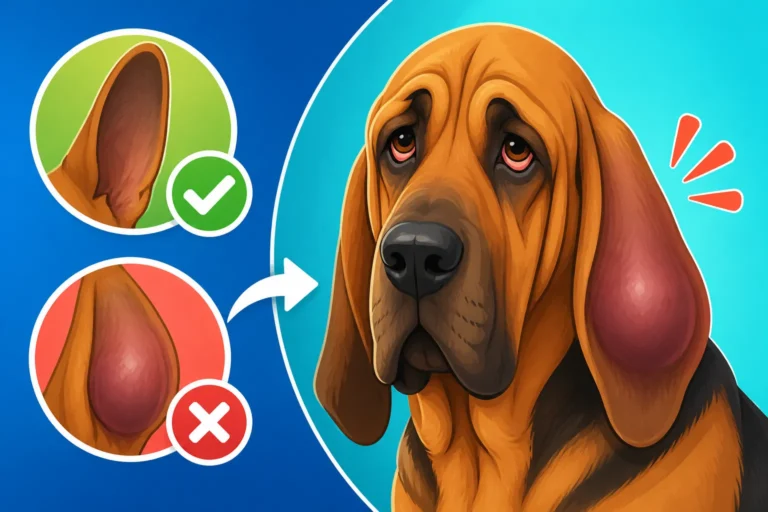
| Ear Folds | Daily wipe of outer ear/pinna folds | Remember that a Bloodhound's ears are a standing infection risk too! |
This kind of routine might sound like a lot, but once it becomes habit, it flows. Knowing the weekly routine a Bloodhound owner cannot skip includes things like thorough ear cleaning, so adding fold care just becomes part of the package. This consistent attention will not only keep their skin healthier but also allow you to spot any changes or nascent problems immediately.
Recognizing When to Seek Specialist Advice
While your general veterinarian is well-equipped to handle most cases of fold dermatitis, there are times when seeking a veterinary dermatologist is the best course of action. If your Bloodhound suffers from recurrent, severe infections that don’t respond to standard treatments, or if the underlying cause appears complex (such as severe allergies requiring advanced diagnostics), a specialist can offer more in-depth expertise.
A dermatologist can perform more specialized tests, such as intradermal allergy testing, and may have access to newer or more targeted therapies. They can also provide a fresh perspective on managing chronic cases, including advice on advanced surgical options if necessary. Don't hesitate to ask your primary vet for a referral if you feel like you're in a cycle of never-ending infections. Investing in specialist care can ultimately save you money and prevent prolonged suffering for your Bloodhound in the long run.
The Emotional Toll and How to Cope
Let's be honest: dealing with chronic health issues in our beloved pets is tough. The constant cleaning, the vet visits, the worry, and sometimes the financial strain can take an emotional toll on us as owners. It's easy to feel guilty, like you're not doing enough, or frustrated that despite all your efforts, the problem keeps returning. Please know that these feelings are entirely valid. You're doing your best for a breed with specific, high-maintenance needs.
Lean on your vet for support and advice, and don't be afraid to connect with other Bloodhound owners online or in person. Sharing experiences and tips can be incredibly helpful. Remember that your Bloodhound relies on you for their comfort and health. While the costs can feel overwhelming – as reflected in the fact that a Bloodhound's lifetime cost is front loaded – investing in their well-being is part of the commitment we make when bringing these incredible hounds into our lives. Organizations like Healthy Paws can also offer some peace of mind, knowing that you have support for those unexpected (and sometimes expected) veterinary bills. Focus on the positive impact your consistent care has, and cherish those moments of slobbery affection. It's all worth it for their happy, comfortable life.
Disclaimer
The information provided in this article is for educational and informational purposes only and does not constitute veterinary advice. Always consult with a qualified veterinarian for any health concerns or before making any decisions related to your Bloodhound's health and treatment.