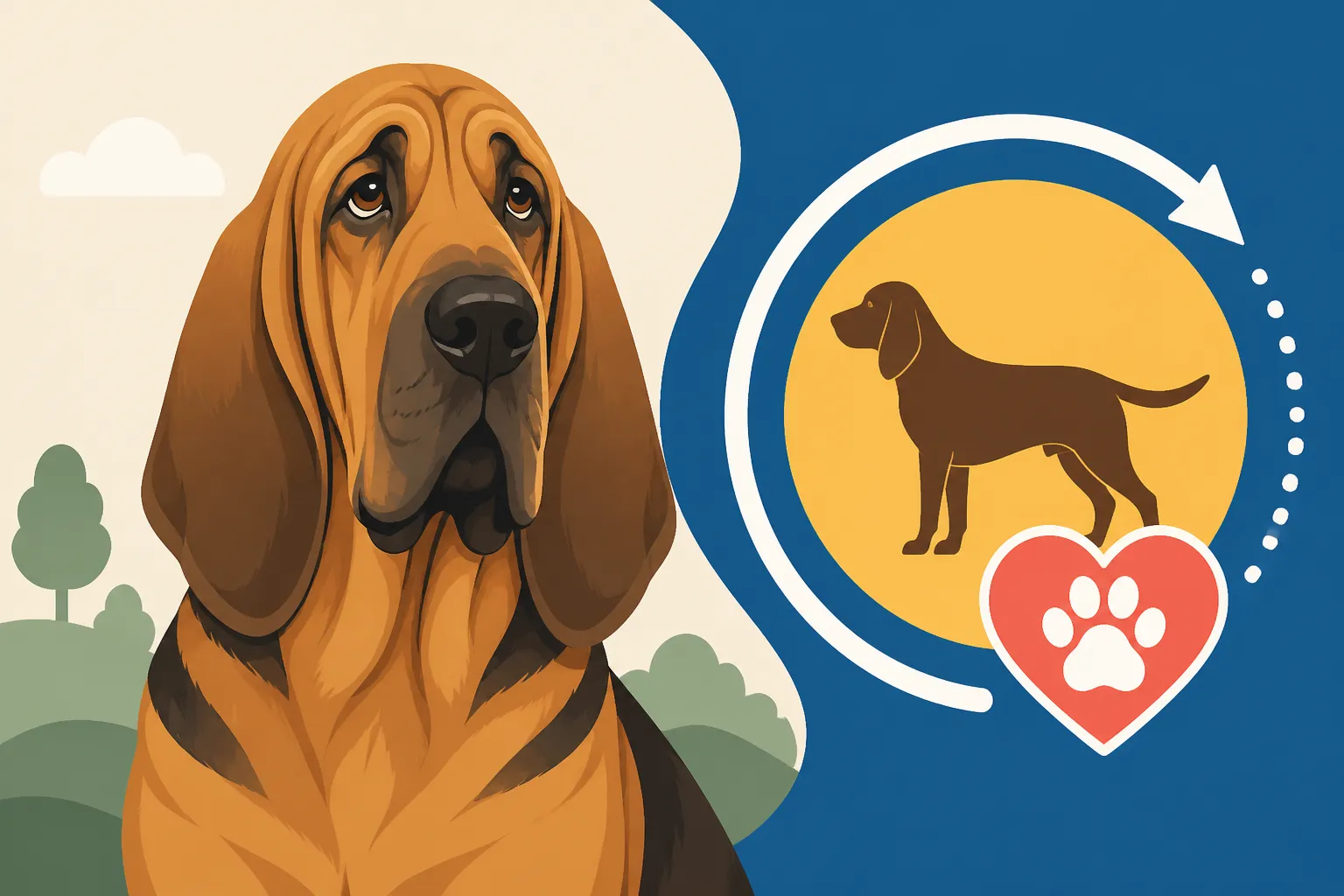
How Long a Bloodhound Lives
It's a bittersweet truth that bringing a magnificent Bloodhound into your life often means confronting the reality of their relatively short time with us. Many new owners are surprised, and frankly, heartbroken, to learn that these gentle giants typically don't live as long as some other breeds their size. This guide aims to thoroughly explore the average Bloodhound lifespan, delving into the reasons behind it and offering insights into how you can help your beloved hound live its fullest, healthiest life.
Understanding the Bloodhound's Lifespan
When you look into the soulful eyes of a Bloodhound, with their long, expressive ears and majestic presence, it's easy to imagine them as companions for a decade or more. However, the median age for a Bloodhound is typically between 6 to 10 years, with many falling closer to the lower end of that spectrum. This often comes as a shock, especially when compared to smaller or even similarly sized breeds that might live for 12, 13, or even 14 years. It’s a harsh reality that often leaves owners wondering if they’ve done something wrong, or if their dog is just "unlucky." The truth is, it’s a complex issue tied deeply to their genetics and unique physiology.
The Median Age a Bloodhound Reaches
The statistics can be quite sobering for Bloodhound enthusiasts. While individual dogs certainly defy the odds and live into their early teens, the median lifespan for a Bloodhound hovers around 7 to 8 years. This means that half of all Bloodhounds will pass away before reaching this age, and half will live longer. It’s a stark contrast to breeds like a Labrador Retriever, which often sees its members living comfortably into their early to mid-teens. This disparity in longevity is often attributed to the Bloodhound's large size, deep chest, and the specific health predispositions that come with their breed. Understanding this median helps set realistic expectations, though it never lessens the grief when the time comes.
For many, the question arises: is eight years normal for a Bloodhound? In many respects, yes, it unfortunately is. While we all hope for the outliers who live much longer, a Bloodhound reaching eight years has lived a respectable lifespan within the breed's typical range. This knowledge doesn't make it any easier, but it can help owners appreciate every single day, knowing their time together is precious. It also underscores the importance of proactive care and early detection of health issues, as every year of good health is a true gift.
Why a Bloodhound Lives Shorter Than Its Size Predicts
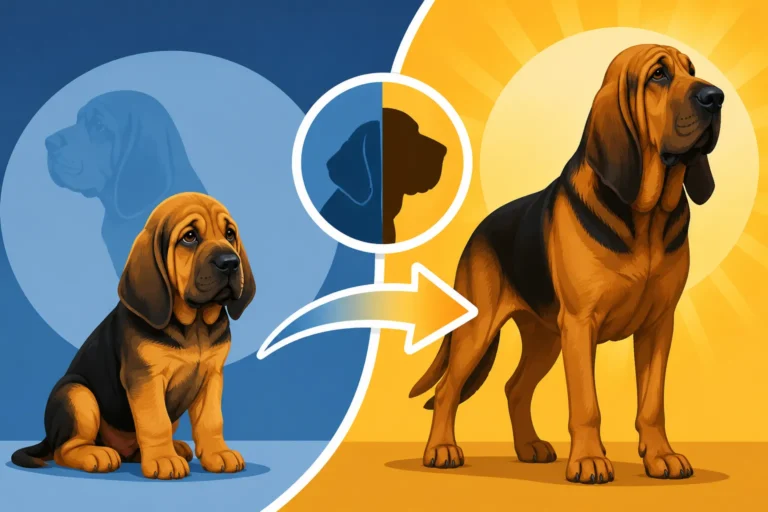
It seems counterintuitive, doesn't it? Larger dogs often have shorter lifespans than smaller dogs, but even within the realm of giant breeds, the Bloodhound's longevity can be on the lower end. This phenomenon, where a Bloodhound dies younger than its size predicts, is a topic of ongoing research and concern within the veterinary community and among dedicated breeders. One significant factor is the rapid growth rate they experience as puppies and adolescents. This explosive growth puts immense strain on their developing joints and organs, contributing to conditions like hip and elbow dysplasia in the Bloodhound.
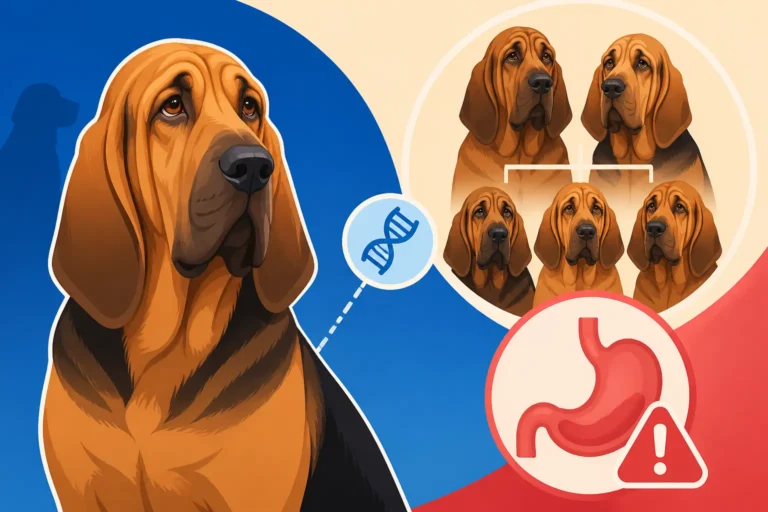
Beyond growth, the Bloodhound's unique physiology, particularly its deep, narrow chest, contributes to one of the most devastating conditions that disproportionately affects the breed: bloat. This life-threatening condition, also known as Gastric Dilatation and Volvulus (GDV), is a sudden and often fatal twisting of the stomach. We’ll delve deeper into bloat later, but suffice it to say, it's a major reason why a Bloodhound lives shorter than a Labrador. Even with immediate veterinary intervention, survival rates for bloat can be challenging, making it a constant worry for Bloodhound owners. The sheer size and weight of a Bloodhound also place a greater burden on their cardiovascular system and joints over time, contributing to an earlier onset of age-related diseases.
Factors Influencing Bloodhound Longevity
While genetics play a huge role, a Bloodhound's lifespan isn't entirely predetermined. There are numerous factors, both inherited and environmental, that can significantly influence how long and how healthily your Bloodhound lives. Understanding these elements empowers owners to make informed choices that can potentially extend their beloved companion's healthy years. From the quality of their breeding to the daily care they receive, every decision can have an impact.
Genetic Predispositions and Breeding Practices
One of the most critical factors influencing a Bloodhound's longevity lies in its genetic heritage. Responsible breeding practices are paramount. A conscientious breeder will go to great lengths to screen their breeding stock for common hereditary conditions that plague the breed. This includes certifications for hip and elbow dysplasia, cardiac evaluations, and eye clearances through organizations like the Orthopedic Foundation for Animals (OFA) and the Canine Eye Registry Foundation (CERF). When considering a puppy, asking about what the American Bloodhound Club asks breeders to screen for can give you a strong indication of a breeder's commitment to health.
Even with the best intentions, the Bloodhound breed carries specific genetic predispositions that can shorten its life. For instance, heart disease in the Bloodhound, particularly dilated cardiomyopathy, is a concern. Some lines may also be more prone to certain types of cancer, which can be aggressive and difficult to treat. While there's no guarantee against these issues, choosing a puppy from parents with robust health clearances and a history of longevity in their lineage can greatly improve your dog's chances of a long, healthy life. This is why a well-bred Bloodhound puppy costs more; you're not just paying for the dog, but for the extensive health testing and care that goes into ensuring a healthy start.
The Role of Diet and Exercise
Proper nutrition and appropriate exercise are cornerstones of a Bloodhound's health and can significantly impact their lifespan. For such large dogs, a balanced, high-quality diet specifically formulated for large breeds is crucial, especially during their rapid growth phase. Overfeeding or providing an unbalanced diet can contribute to excessive growth rates, potentially exacerbating joint problems. Feeding a Bloodhound so it does not bloat also involves splitting meals into two or three smaller portions throughout the day rather than one large meal, and ensuring they rest before and after eating. This simple practice can make a significant difference.
Exercise, too, must be carefully managed. While Bloodhounds need regular activity to stay fit and mentally stimulated, excessive or high-impact exercise, especially during puppyhood, can be detrimental to their developing joints. A Bloodhound needs moderate, consistent exercise, such as long walks on a leash or engaging in scent work, which not only satisfies their innate instincts but also provides a great mental workout without over-stressing their bodies. Regular, controlled activity helps maintain a healthy weight, which in turn reduces strain on joints and organs, contributing to their overall well-being and potentially extending their productive years.
Environmental Factors and Preventative Care
The environment in which a Bloodhound lives, coupled with consistent preventative care, plays a huge part in their overall health. Living indoors in a comfortable, climate-controlled home protects them from extreme weather conditions that can be hard on their large bodies. A clean living environment also helps prevent skin infections, which can be common given their abundant folds. Regular veterinary check-ups, even when your Bloodhound seems perfectly healthy, are indispensable. These visits allow for early detection of potential issues, from subtle changes in heart rhythm to the onset of joint discomfort.
Preventative care extends beyond vet visits. This includes maintaining a healthy weight to prevent undue stress on joints, consistent dental care to prevent periodontal disease which can affect overall health, and regular grooming to manage their unique physical traits. Cleaning a Bloodhound's ears every week for life is not just a recommendation; it's a necessity to prevent painful and recurrent ear infections due to their long, heavy ears. Similarly, wiping a Bloodhound's folds before they sour can prevent skin fold dermatitis. Staying up-to-date on vaccinations and parasite control is also vital. Investing in a good pet insurance plan, like one from Healthy Paws, early on can also help cover the costs of these preventative measures and any unexpected health issues that might arise, giving you peace of mind.
Common Health Challenges Impacting Lifespan
Bloodhounds, for all their wonderful qualities, are unfortunately prone to several significant health issues that can severely impact their lifespan and quality of life. As owners, being aware of these challenges is the first step toward proactive care and early intervention, which can make all the difference.
Gastric Dilatation and Volvulus Bloat
Without a doubt, bloat is what kills most Bloodhounds. This terrifying condition, where the stomach fills with gas and often twists on itself, can rapidly become fatal if not treated immediately. The breed's deep, narrow chest shape puts a Bloodhound at higher risk for this condition. Symptoms can appear suddenly, often in the middle of the night, and include unproductive retching, a distended abdomen, restlessness, and pain. You can read more about the signs a Bloodhound is bloating to recognize the emergency quickly.
The speed at which bloat can kill a Bloodhound is chilling. From the onset of symptoms, you might have as little as 30 minutes to an hour to get your dog to an emergency veterinary clinic. Even with prompt emergency bloat surgery, the condition carries a significant mortality rate. This is why many Bloodhound owners and veterinarians advocate for a preventive gastropexy, a surgical procedure that tacks the stomach to the abdominal wall to prevent it from twisting. The gastropexy decision every Bloodhound owner faces is a critical one that can dramatically reduce the risk of this devastating disease. Whether a gastropexy can be done at a Bloodhound's neuter is a common question, and often, combining these procedures when the dog is young is an ideal time for the surgery. While a Bloodhound with a gastropexy can still bloat, the life-threatening twisting is largely prevented, buying precious time.
Orthopedic Issues: Hips and Elbows
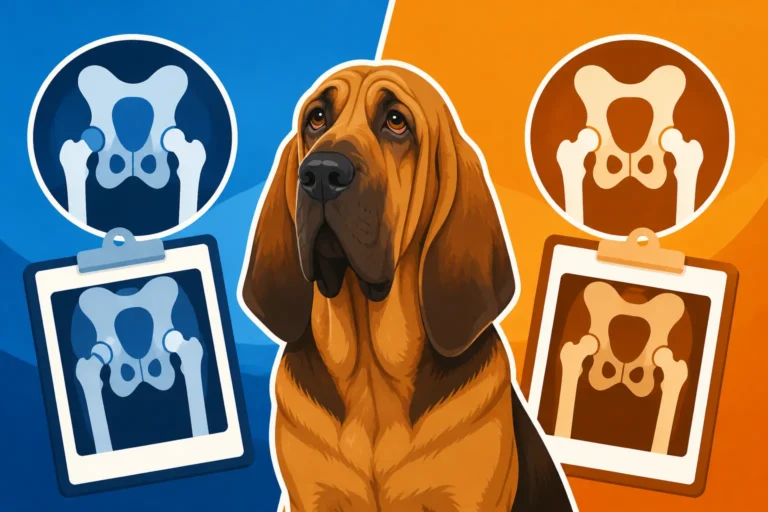
As large, heavy dogs, Bloodhounds are susceptible to orthopedic problems, particularly hip and elbow dysplasia. Hip and elbow dysplasia in the Bloodhound are hereditary conditions where the joints don't develop properly, leading to pain, arthritis, and lameness. These conditions can significantly reduce a dog's quality of life and can indirectly impact lifespan by limiting mobility and leading to secondary health issues.
Responsible breeders will screen for these conditions, and you can learn about what an OFA hip score means for a Bloodhound when researching a puppy. However, even with sound genetics, environmental factors like rapid growth, obesity, and excessive exercise during puppyhood can exacerbate these issues. Management often involves pain medication, anti-inflammatory drugs, physical therapy, and in severe cases, surgery. Maintaining a lean body condition and providing appropriate, low-impact exercise throughout their lives are crucial for supporting joint health.
Eye and Ear Health Concerns
Bloodhounds are distinctive for their loose skin and long, pendulous ears, which unfortunately predispose them to a host of eye and ear problems. The four eye problems a Bloodhound is born toward include ectropion, entropion, cherry eye, and dry eye. Ectropion, where the lower eyelids droop outwards, is very common and can lead to chronic irritation, dryness, and infections because the eye is not properly protected. Entropion, the opposite condition where the eyelid rolls inward, can cause eyelashes to constantly rub against the cornea, leading to painful ulcers and potential vision loss. You can find out more about what ectropion looks like on a Bloodhound and why a Bloodhound's lower lid hangs away from the eye.
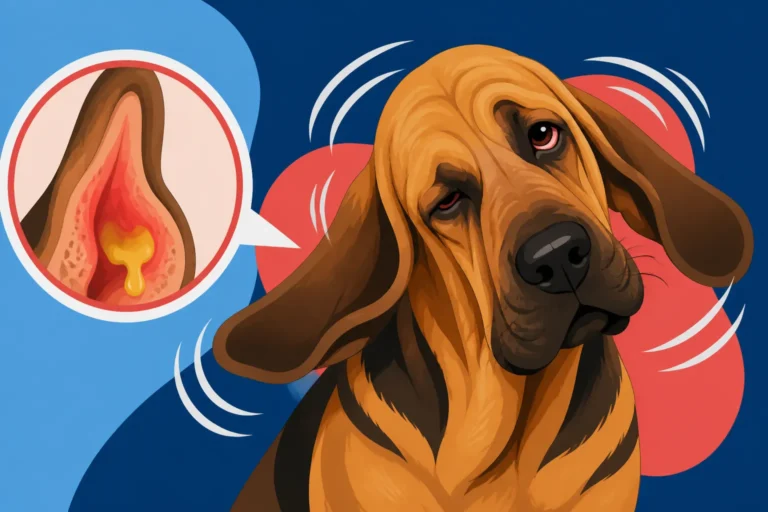
Their long, heavy ears create a warm, moist environment that is a perfect breeding ground for bacteria and yeast, making a Bloodhound's ears a standing infection risk. How often a Bloodhound gets an ear infection can be dishearteningly frequent for some owners. Chronic ear infections can be incredibly painful and, if left untreated, can lead to permanent changes in the ear canal or even require total ear canal ablation surgery. Daily cleaning and careful monitoring are essential to prevent these issues. Early and consistent care can mitigate the impact of these common ailments on your Bloodhound's overall health and comfort.
Other Significant Health Issues
Beyond bloat, orthopedic, eye, and ear issues, Bloodhounds can face other health challenges that can affect their lifespan. Skin fold dermatitis on a Bloodhound is a common issue due to their extensive wrinkles, especially around the face, neck, and lips. These folds can trap moisture and debris, leading to painful infections. Regular cleaning and drying of these folds are critical preventative measures.
Heart disease in the Bloodhound, as mentioned, is another concern, with various forms including dilated cardiomyopathy. Regular veterinary check-ups, including cardiac screenings if recommended, can help detect these conditions early. Additionally, Bloodhounds can be prone to hypothyroidism, a condition where the thyroid gland doesn't produce enough hormones, which can affect metabolism, skin health, and energy levels. While treatable with medication, it's another factor to be aware of. The unfortunate reality is that a significant portion of a Bloodhound's money is spent in the operating room, and having comprehensive pet insurance from a provider like Healthy Paws can be a lifesaver when these unexpected health issues arise.
| Health Challenge | Description | Impact on Lifespan | Prevention/Management |
|---|---|---|---|
| Bloat (GDV) | Stomach fills with gas and twists, cutting off blood supply. | Extremely High: Rapidly fatal without emergency surgery. | Preventive gastropexy, multiple small meals, rest after eating. |
| Hip/Elbow Dysplasia | Malformation of hip or elbow joints, leading to arthritis. | Moderate: Reduces quality of life, limits mobility, can lead to secondary issues. | Responsible breeding, weight management, appropriate exercise, supplements, pain management. |
| Ectropion/Entropion | Eyelids droop outwards or roll inwards, causing irritation/damage. | Low (Direct): Can cause chronic pain, infections, vision loss if untreated. | Regular eye cleaning, lubricating drops, surgical correction. |
| Ear Infections | Chronic infections in long, heavy ear canals. | Low (Direct): Can cause severe pain, permanent canal damage, surgery if chronic. | Weekly ear cleaning, drying ears, monitoring. |
| Skin Fold Dermatitis | Inflammation/infection in skin folds due to moisture/debris. | Low (Direct): Can cause pain, odor, skin damage. | Daily fold wiping, keeping dry, medicated washes. |
| Heart Disease | Various conditions affecting heart function (e.g., DCM). | High: Can lead to heart failure, sudden death. | Regular vet check-ups, cardiac screening, medication. |
| Hypothyroidism | Underactive thyroid gland. | Moderate: Affects metabolism, energy, coat quality; treatable with medication. | Annual thyroid testing, medication. |
Optimizing Your Bloodhound's Health for a Longer Life
Given the Bloodhound's predispositions to certain health challenges and their typically shorter lifespan, owners have an even greater responsibility to be proactive and diligent in their care. While we can't completely rewrite their genetic code, we can certainly influence their quality of life and potentially extend their healthy years through thoughtful management and dedicated attention.
Proactive Veterinary Care and Screenings
One of the most impactful things you can do for your Bloodhound is to maintain a rigorous schedule of proactive veterinary care. This goes beyond just vaccinations and annual check-ups. Discuss with your veterinarian breed-specific screenings that are appropriate for your dog's age and risk factors. For example, regular cardiac exams, especially as your Bloodhound ages, can help detect early signs of heart disease. Furthermore, if you're considering buying a puppy, knowing whether a Bloodhound should be screened before breeding is crucial for ensuring healthy genetics.
Early detection is key for many of the conditions that affect Bloodhounds. Regular blood work can help identify issues like hypothyroidism before they become severe. For a breed prone to bloat, understanding the risk factors and discussing preventive measures like a gastropexy with your vet early on is critical. Don’t wait for symptoms to appear; be an advocate for your Bloodhound’s health, ask questions, and follow your vet’s recommendations for preventative screenings. Having pet insurance from a company like Healthy Paws can often alleviate the financial burden of these essential diagnostic tests and treatments.
Daily Care Routines and Environmental Management
A Bloodhound's unique anatomy necessitates specific daily care routines that are non-negotiable for their health and comfort. Everything on a Bloodhound hangs down and has to be cleaned – from their long ears to their droopy eyes and abundant skin folds. Daily eye care for a Bloodhound, often involving gently wiping away discharge, is crucial to prevent irritation and infection. For those Bloodhounds with more pronounced ectropion or entropion, medicated eye drops might be a lifelong requirement.
Similarly, their long ears need constant attention. Cleaning a Bloodhound's ears every week for life helps prevent the buildup of wax and moisture that can lead to infections. You'll also want to consider using a snood for your Bloodhound to keep their ears out of their food and water bowls, which helps keep them cleaner and drier. Wiping a Bloodhound's folds before they sour is another daily ritual. These routines, though seemingly minor, are profoundly important in preventing infections and discomfort that can detract from your Bloodhound's quality of life and potentially lead to more serious issues.
Nutrition and Weight Management Strategies
Feeding a Bloodhound so it does not bloat is a primary concern for any owner. This involves not only choosing a high-quality, large-breed dog food but also adopting specific feeding practices. Splitting their daily food allowance into two or three smaller meals, rather than one large one, helps reduce the amount of food in the stomach at any given time. It's also vital to ensure your Bloodhound rests for at least an hour before and after eating, avoiding strenuous exercise or excessive excitement around mealtimes. Whether a Bloodhound should drink a lot after a meal is also a consideration; sometimes offering smaller amounts of water can be beneficial.
Beyond bloat prevention, maintaining a lean body condition is paramount. Keeping a Bloodhound lean on purpose helps to minimize stress on their joints, reducing the severity and progression of conditions like hip and elbow dysplasia. Work with your veterinarian to determine the ideal weight range for your individual Bloodhound and adjust their food intake and exercise accordingly. Obesity not only exacerbates orthopedic issues but also puts a greater strain on their heart and other organs, potentially shortening their lifespan. Regular, moderate exercise, like long walks or engaging in scent work, combined with a carefully managed diet, is the best strategy for optimal health.
Coping with the Shorter Lifespan Reality
Adopting a Bloodhound means accepting the heart-wrenching reality that your time with them might be shorter than with other breeds. This knowledge doesn't make the bond any less profound, but it does mean that owners often face the grief of loss sooner than they might expect. It's a heavy burden, but understanding it upfront can help you cherish every moment and prepare for what lies ahead.
Embracing Every Moment and Creating Memories
Knowing that your Bloodhound may only be with you for 6-10 years emphasizes the importance of making every single day count. This isn't about living in fear of the future, but rather about consciously embracing the present. Spend quality time with your hound, engaging in activities they love, like long scent walks where their incredible nose can truly shine. Enroll in fun activities like mantrailing, which is the answer to a Bloodhound, not obedience, as it taps into their natural instincts and provides immense mental satisfaction.
Create lasting memories through photographs, videos, and simply by being present. Give them all the love, enrichment, and comfort you can. Understand that their profound bond with you is what makes their shorter lifespan so impactful, but also so incredibly meaningful. It’s about focusing on the quality of life you provide, rather than solely on the quantity of years. Aging in a Bloodhound starts at six, so be especially vigilant and loving during these senior years, adapting their activities and care to their changing needs.
Supporting a Senior Bloodhound
As your Bloodhound approaches their senior years, typically starting around six years old, their needs will change. They may slow down, develop more noticeable stiffness in their joints, or experience a decline in sight or hearing. This is the time to adjust their routine, comfort, and care to ensure their golden years are as comfortable and dignified as possible. Regular vet visits become even more critical to manage age-related conditions. You can expect to spend more on their health in these later years, making a strong case for continued pet insurance coverage.
Providing soft, orthopedic bedding can help ease joint pain. Adjusting their exercise to gentler, shorter walks is often necessary. Their diet may need to change to support an aging metabolism and kidney function, so be sure to discuss feeding and handling an old Bloodhound with your veterinarian. Most importantly, continue to provide mental stimulation through scent games and gentle interaction, as their minds often remain sharp even as their bodies slow. The goal is to maximize their comfort and happiness, ensuring their final years are filled with love and minimal pain.
Navigating Grief and Honoring Their Legacy
The eventual loss of a Bloodhound is profoundly painful, made perhaps more acute by the knowledge of their shorter average lifespan. Grief is a natural and necessary process, and it’s important to allow yourself to feel it fully. Reach out to friends, family, or support groups who understand the unique bond with a working dog or a beloved pet. Many veterinary clinics offer grief counseling resources, and online communities for Bloodhound owners can provide solace and understanding.
Remembering your Bloodhound and honoring their legacy can be a powerful part of the healing process. This might involve creating a memorial, planting a tree in their honor, or donating to a Bloodhound rescue organization. Many owners also find comfort in eventually opening their hearts to another Bloodhound, carrying forward the love and dedication. While the pain of loss is immense, the joy and unconditional love they bring into our lives are immeasurable and forever worth the heartache. They may not live as long as some, but the impact they have on our hearts lasts a lifetime.
Disclaimer
The information provided in this article is for general informational purposes only and is not intended as a substitute for professional veterinary advice, diagnosis, or treatment. Always seek the advice of your veterinarian or other qualified health provider with any questions you may have regarding a medical condition or the health and welfare of your Bloodhound.