The Gastropexy Decision Every Bloodhound Owner Faces
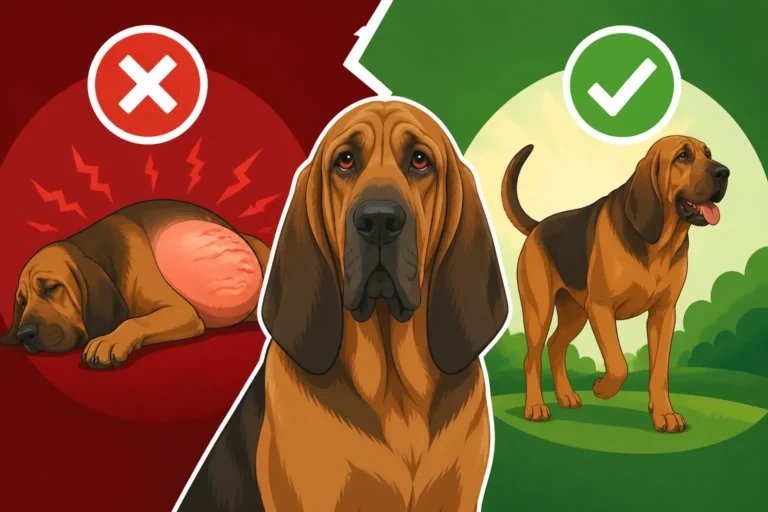
The sudden, horrifying reality of your beloved Bloodhound distending before your eyes, retching dryly with panic in their gaze, is a nightmare no owner ever wants to face. Gastric Dilatation-Volvulus, or bloat, is a rapid, life-threatening emergency, and for Bloodhound owners, the decision of whether to proactively protect their furry family member with a gastropexy is one that weighs heavily. This comprehensive guide will walk you through everything you need to know about this critical procedure, helping you make an informed choice for your hound.
Understanding Gastric Dilatation-Volvulus (GDV) in Bloodhounds
Bloat, scientifically known as Gastric Dilatation-Volvulus (GDV), is a condition that strikes fear into the hearts of large and giant breed dog owners, and Bloodhounds are unfortunately one of the breeds most susceptible. It’s not just a bad stomach ache; it's a rapidly progressing, incredibly painful, and often fatal condition where the stomach fills with gas and then twists on itself.
Why Bloodhounds Are at High Risk for Bloat
Bloodhounds, with their distinctive deep chests and generally large stature, are anatomically predisposed to GDV. Imagine their chest cavity as a long, narrow hallway; there's plenty of space from front to back, but not a lot of width. This particular conformation allows their stomach to swing and twist more easily within the abdominal cavity when it becomes distended. It’s like a pendulous organ in a wide-open space, more prone to flipping over. This anatomical reality is a major reason why Why a Bloodhound's Chest Shape Causes Bloat is such a crucial topic for owners to understand.
Beyond their unique physique, there’s a genetic component at play. While specific genes haven't been definitively isolated, a family history of bloat in a Bloodhound's lineage significantly increases the risk for subsequent generations. If your Bloodhound's parents or siblings have experienced bloat, it's a stark warning sign that your dog may also carry a predisposition. This makes researching a puppy's background and talking to your breeder about incidences of bloat in their lines incredibly important, far more so than in many other breeds.
Furthermore, certain behavioral and environmental factors can also contribute to bloat risk in Bloodhounds. Eating too quickly, drinking large amounts of water immediately after eating, or intense exercise before or after meals are all thought to be triggers. Stress and anxiety can also play a role; a nervous Bloodhound might gulp down air or food, increasing their risk. For example, my neighbor's Bloodhound, Gus, a usually calm boy, bloated after a particularly stressful thunderstorm, which triggered him to eat his dinner much faster than usual, gulping air as he went. This tragic event highlighted for them the intricate dance between genetics, anatomy, and lifestyle.
The Immediate Dangers and Progression of Bloat
When a Bloodhound's stomach fills with gas, it can expand dramatically, putting immense pressure on surrounding organs and major blood vessels. This initial phase is called gastric dilatation. The truly life-threatening part occurs when the distended stomach twists – this is the "volvulus." When the stomach twists, it effectively seals off both the entrance and exit, trapping gas and food inside. More critically, it cuts off the blood supply to the stomach wall and, often, the spleen. This rapidly leads to tissue death in the stomach, which can quickly turn necrotic, releasing toxins into the bloodstream.
The progression is terrifyingly fast. What might start as mild discomfort can escalate into full-blown shock within a matter of minutes or a few hours. Without immediate surgical intervention, the dog's chances of survival plummet dramatically. The lack of blood flow means the stomach tissue begins to die, and as the pressure builds, it can compromise the diaphragm, making it hard for the dog to breathe. Organs like the spleen, which is often attached to the stomach, can also be severely damaged, requiring removal. How Fast Bloat Kills a Bloodhound is not an exaggeration; time is of the absolute essence.
A real-life scenario illustrates this stark reality: A Bloodhound named Daisy, owned by a family friend, seemed a little off one evening, just restless. Within an hour, her abdomen was visibly swollen, and she was clearly in pain. By the time they reached the emergency veterinary clinic, Daisy was in shock. The rapid response of her owners, though harrowing, was what gave her a fighting chance. They learned just how little time you have before irreversible damage sets in.
Recognizing the Signs of Bloat
Spotting the signs of bloat early is crucial, but it can be tricky because some initial symptoms might mimic less severe gastrointestinal upset. However, for a Bloodhound owner, vigilance is key. The most hallmark sign is non-productive retching or dry heaving – your dog looks like they're trying to vomit but nothing comes up, or perhaps only a small amount of foamy saliva. This is because the twisted stomach prevents anything from passing.
Another critical indicator is a visibly distended or swollen abdomen, particularly on the left side, which may feel taut and hard like a drum. This distension can become quite pronounced. Your Bloodhound might also exhibit signs of extreme discomfort and pain: restlessness, pacing, an inability to lie down comfortably, whining, drooling excessively, or looking back at their side. As the condition worsens, they may become weak, collapse, have pale gums, or show signs of shock. Signs a Bloodhound Is Bloating should be memorized by every owner.
It's easy to mistake the early signs for general upset, especially if your Bloodhound is prone to eating things they shouldn't. I recall a client of mine, Sarah, whose Bloodhound, Duke, was usually a champion counter surfer. One evening, Duke was pacing and seemed uncomfortable after raiding the kitchen trash. Sarah initially thought it was just a bad case of indigestion from his illicit snack. However, the persistent dry heaving and the growing firmness of his belly quickly made her realize this was far more serious. Her quick decision to rush him to the emergency vet, even doubting herself, saved his life. Always err on the side of caution with a Bloodhound if you suspect bloat; a false alarm is always better than waiting too long.
What a Gastropexy Actually Does
Given the terrifying nature of bloat, many Bloodhound owners explore preventive measures. The most effective, widely recommended preventive surgery is a gastropexy. It's not a magic shield against all stomach woes, but it offers a vital line of defense.
The Surgical Procedure Explained
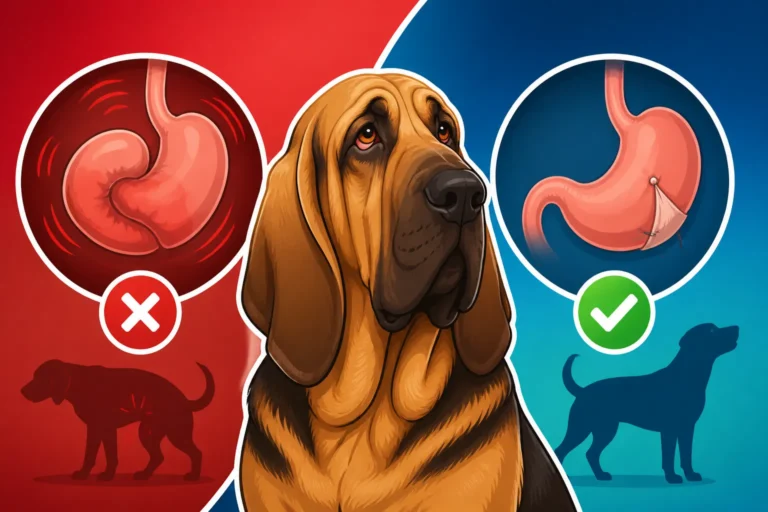
A gastropexy is a surgical procedure where the stomach is permanently attached, or "tacked," to the abdominal wall. The goal is to prevent the stomach from twisting (volvulus) if it ever dilates (fills with gas). It's important to understand that a gastropexy does not prevent the stomach from filling with gas; your Bloodhound can still experience gastric dilatation. What it does prevent is the deadly twist that accompanies GDV, which is what makes bloat so lethal.
There are generally two main approaches to performing a gastropexy: open surgery or laparoscopic surgery. During an open gastropexy, a larger incision is made in the abdomen, allowing the surgeon direct access to the stomach. The stomach is then manually sutured to the abdominal wall. This method has a longer recovery time but is often combined with other procedures like spaying or neutering. Laparoscopic gastropexy, on the other hand, is a minimally invasive technique. It involves smaller incisions through which a camera and surgical instruments are inserted. This method typically results in less pain, a faster recovery, and smaller scars. However, not all veterinary clinics are equipped to perform laparoscopic procedures, and it can sometimes be more expensive. What a Preventive Gastropexy Does for a Bloodhound focuses purely on preventing the dreaded twist.
Regardless of the technique, the principle is the same: create a permanent adhesion between the stomach and the body wall. This adhesion essentially anchors the stomach in place, so that even if it bloats with gas, it cannot rotate. Think of it like securing a hammock to two sturdy trees; it can still sag (dilate) but it can't flip over. When I was researching for my own Bloodhound, Buster, my vet showed me diagrams of how the stomach could still expand, but the tacking prevented the rotation that cuts off blood flow. It was a reassuring visual that helped me understand the profound difference this surgery makes.
The Effectiveness of Gastropexy in Preventing GDV Recurrence
The primary benefit of a gastropexy is its remarkable effectiveness in preventing the recurrence of gastric volvulus. Studies have shown that a prophylactic gastropexy reduces the risk of future stomach torsion by over 90%. This means that while your Bloodhound could still experience simple bloat (gas accumulation), the life-threatening twisting is largely averted. It's a significant reduction in the deadliest aspect of GDV.
However, it's crucial to reiterate that a gastropexy does not prevent gastric dilatation. Your Bloodhound's stomach can still fill with gas or food, causing discomfort and requiring veterinary attention. The difference is that the situation is far less immediately critical, and your dog has a much higher chance of recovery without the need for emergency, life-saving surgery. For example, a dog with a gastropexy might still show signs of bloat – a distended belly and discomfort – but without the accompanying dry retching or signs of shock, indicating that the stomach has dilated but not twisted. Owners of gastropexied dogs still need to be observant and understand that while the worst outcome is largely prevented, general bloat is still possible.
I've heard countless stories from Bloodhound owners who chose gastropexy and felt a profound sense of relief. One owner I know, whose Bloodhound, Ruby, had a gastropexy during her spay, described how Ruby once looked quite bloated after sneaking a large amount of dry food and water. Instead of rushing into a panic, the owner was able to calmly monitor her, knowing the stomach couldn't twist. Ruby eventually passed the gas and was fine, but without the gastropexy, that situation would have been a terrifying race against the clock. This preventative measure truly shifts the emergency from a full-blown crisis to a manageable, albeit uncomfortable, situation.
When to Consider a Prophylactic Gastropexy
Deciding when to perform a gastropexy is just as important as deciding if to perform one. For Bloodhound owners, there's often a sweet spot that balances the benefits of prevention with the practicalities of a young dog's health.
Ideal Age for the Procedure
For Bloodhounds, and other large, deep-chested breeds, the ideal time for a prophylactic gastropexy is often when they are already undergoing another routine surgery, such as spaying or neutering. This typically occurs between 6 months and 1.5 years of age, depending on your veterinarian's and breeder's recommendations. Combining the procedures means your Bloodhound only goes under anesthesia once, which reduces overall risk and recovery time. Many vets recommend it at this age because the risk of bloat starts to increase as dogs mature and their chests deepen, making prevention before that risk fully manifests very appealing. The Age a Bloodhound Should Have a Gastropexy is a common question.
While it's most commonly done in conjunction with spay/neuter, a gastropexy can be performed on its own at any age. However, performing it on a younger, healthier dog generally carries fewer anesthetic risks and allows for a quicker recovery. An older Bloodhound might have other underlying health conditions that could complicate anesthesia or surgery, though the benefit of preventing a life-threatening bloat still often outweighs these increased risks. Discussing your specific dog’s health, age, and any existing conditions with your vet is paramount to determine the best timing.
I remember discussing this with my vet for my own Bloodhound, Winston. He suggested that since Winston was already going in for his neuter at 10 months, it was the perfect opportunity to do the gastropexy simultaneously. It meant one anesthetic event, one recovery period, and then the peace of mind knowing he was protected. We decided that Whether a Gastropexy Can Be Done at a Bloodhound's Neuter was the most practical and safest approach for us.
Weighing the Risks and Benefits of Early Surgery
The decision for an early prophylactic gastropexy involves a careful weighing of risks and benefits. On the benefit side, the biggest advantage is the profound reduction in the risk of fatal bloat. For a breed like the Bloodhound, where the incidence of GDV is so high, this peace of mind is invaluable. It transforms a potential life-or-death emergency into a much less severe gastric upset, allowing owners precious time to seek help if dilation occurs. For many, this benefit alone makes the procedure worth it, especially considering the alternative.
However, no surgery comes without risks. Anesthesia always carries inherent risks, though modern veterinary protocols and monitoring have made it much safer. There's also the risk of post-surgical complications such as infection, dehiscence (the incision opening), or, in rare cases, chronic pain or discomfort at the surgery site. Recovery time involves limiting activity, administering pain medication, and careful monitoring of the incision, which can be challenging with an energetic Bloodhound puppy. A family I know postponed their Bloodhound's gastropexy because their puppy had a mild heart murmur that needed further evaluation, highlighting that the timing often depends on a holistic view of the dog's health.
Ultimately, the decision often comes down to an individual owner's comfort level and their Bloodhound's specific health profile. For many, the potentially devastating consequences of bloat far outweigh the moderate risks associated with a planned, prophylactic surgery. This preventative approach allows owners to be proactive, rather than reactive, in managing one of the most significant health threats to their beloved Bloodhound.
The Financial Aspect: Costs and Insurance Coverage
Let's be realistic: owning a Bloodhound comes with financial considerations, especially when discussing elective surgeries like a gastropexy. Understanding the costs involved and how pet insurance can help is crucial for responsible ownership.
Estimated Costs of a Prophylactic Gastropexy
The cost of a prophylactic gastropexy can vary quite a bit depending on several factors, including your geographic location (urban vs. rural), the type of veterinary clinic (general practice vs. specialty surgical center), and whether the procedure is performed using open or laparoscopic techniques. Generally, you can expect the cost for a standalone gastropexy to range from $800 to $2,000. If it's combined with a spay or neuter, the additional cost for the gastropexy itself might be lower, as some of the anesthetic and facility fees are already covered by the primary surgery.
To break it down, the bill typically includes:
- Pre-anesthetic bloodwork: Essential to ensure your Bloodhound is healthy enough for anesthesia.
- Anesthesia and monitoring: Specialized equipment and staff to keep your dog safe during the procedure.
- The surgical procedure itself: Surgeon's fees.
- Medications: Pain relief, antibiotics if necessary.
- Hospitalization/recovery: Overnight stay might be recommended, especially for open surgery.
Comparing this to the cost of emergency bloat surgery is eye-opening. An emergency GDV surgery, often performed in the middle of the night by a specialist, can easily cost anywhere from $3,000 to $7,000 or even more, especially if complications like spleen removal or extensive stomach tissue resection are necessary, or if multiple nights in intensive care are required. What a Bloodhound's Bloat Surgery Bill Comes To is a stark reminder of these high costs. My own vet shared an anecdote about a Bloodhound owner who regretted not getting the gastropexy; their emergency bloat surgery bill was over $6,000, not including post-op care. Looking at these figures, the upfront cost of a prophylactic gastropexy becomes a much more reasonable investment in your Bloodhound's health and your own financial well-being. This is why What a Preventive Gastropexy Costs on a Bloodhound often feels like a bargain in hindsight.
Navigating Pet Insurance for Gastropexy
Pet insurance can be a real lifesaver for Bloodhound owners, particularly when faced with significant veterinary expenses. When it comes to gastropexy, how it's covered often depends on whether it's considered a "preventative" or a "medically necessary" procedure. Most standard pet insurance policies, like those offered by providers such as Healthy Paws, primarily cover accidents and illnesses.
A prophylactic gastropexy, performed before an actual bloat episode, is often considered an elective, preventative procedure. Some insurance plans may offer riders or wellness add-ons that partially cover such elective surgeries. However, it's crucial to read your policy carefully or contact your insurance provider directly before the procedure to understand their specific coverage for prophylactic gastropexies. For instance, Healthy Paws, a well-known pet insurance company, generally covers emergency bloat surgery once it has occurred, but preventative surgeries might fall under a wellness plan or not be covered by a standard accident/illness policy.
The critical distinction is that if your Bloodhound has a bloat episode and needs emergency surgery, that emergency surgery and the necessary gastropexy (which is often performed during emergency bloat surgery to prevent recurrence) would typically be covered by an accident/illness policy, assuming waiting periods have passed and it's not a pre-existing condition. However, the goal of a prophylactic gastropexy is to avoid that emergency altogether. Always clarify with your provider like Healthy Paws about their specific stance on preventative surgeries for high-risk breeds. This proactive phone call can save you a lot of financial heartache and help you plan your budget effectively, allowing you to maximize the benefits of your pet insurance policy.
| Procedure Type | Estimated Cost Range | Insurance Coverage (Typical) | Key Benefit |
|---|---|---|---|
| Prophylactic Gastropexy | $800 – $2,000 | May require wellness rider/add-on, often not fully covered by standard accident/illness policies. | Prevents stomach twist (volvulus), greatly reduces risk of fatal bloat. |
| Emergency GDV Surgery | $3,000 – $7,000+ | Generally covered by accident/illness policies (assuming not pre-existing and waiting periods met). | Addresses active, life-threatening bloat and stomach twist. |
| Gastropexy with Spay/Neuter | Additional $300 – $800 | Similar to prophylactic; may be partially covered if part of wellness plan. | Reduces overall anesthesia events, combined recovery. |
Post-Operative Care and Long-Term Management
Once the gastropexy is done, the immediate challenge shifts from the threat of bloat to ensuring a smooth and comfortable recovery for your Bloodhound. But the journey doesn't end there; long-term care still requires vigilance.
Immediate Recovery and Care After Surgery
The first few days and weeks after a gastropexy are crucial for proper healing. Your Bloodhound will likely come home with pain medication, possibly antibiotics, and clear instructions for incision care. The incision site, whether from open or laparoscopic surgery, needs to be monitored daily for any signs of redness, swelling, discharge, or separation. Keeping it clean and dry is paramount. You'll need to prevent your Bloodhound from licking or chewing the incision, which usually means an Elizabethan collar (the "cone of shame") or a recovery suit for at least 10-14 days until the stitches or staples are removed.
Activity restriction is another major component of recovery. Strenuous exercise, jumping, and rough play must be avoided for several weeks to allow the stomach to fully adhere to the abdominal wall and the incision to heal. Short, leashed walks for potty breaks are usually permitted, but anything more vigorous could jeopardize the surgical site. A real-life scenario from my local Bloodhound rescue group highlighted this: a recently adopted Bloodhound named Cooper, who had just had a gastropexy, managed to rip his stitches after an excited leap for a squirrel in the yard. This led to a secondary, emergency visit and much longer recovery. It's tough to keep a Bloodhound calm, but it's absolutely necessary for successful healing. For a detailed look into the recovery period, check out How Long a Bloodhound Takes to Recover From a Gastropexy.
You might also be given specific dietary instructions for the first few days, such as smaller, more frequent meals of easily digestible food. Ensuring your Bloodhound stays hydrated is also key. Your veterinarian will schedule follow-up appointments to check the incision and remove sutures, making sure the healing process is on track.
Continued Bloat Prevention Strategies
While a gastropexy significantly reduces the risk of the deadliest form of bloat, it's not a license to disregard other preventative measures. Your Bloodhound can still experience simple gastric dilation, and continuing good management practices can help minimize even that less severe risk.
Dietary management remains paramount. Feeding two or three smaller meals throughout the day instead of one large meal can help prevent the stomach from overfilling and reducing post-meal activity. Using a slow feeder bowl can also be incredibly beneficial, as it forces your Bloodhound to eat at a more measured pace, reducing the amount of air they gulp down with their food. My Bloodhound, Winnie, always gulped her food, even after her gastropexy, so we invested in a slow feeder, and it made a noticeable difference in how quickly she ate and how much air she ingested.
It's also wise to implement a "rest period" around meal times. Avoid intense exercise for at least an hour before and after meals. Limit large quantities of water immediately after eating, especially if your Bloodhound tends to drink very quickly. For Bloodhounds prone to anxiety, working on stress reduction techniques can also be helpful, as stress is a known contributing factor to bloat. Maintaining a lean body condition is also advised; overweight dogs may be at a slightly higher risk for GDV. By continuing these thoughtful practices, you’re providing comprehensive care that supports your gastropexied Bloodhound's digestive health and overall well-being.
Living with a Gastropexied Bloodhound
Making the decision for a gastropexy is a significant step, and it fundamentally changes the way you approach your Bloodhound's health. While it offers immense relief, it also reshapes the landscape of ongoing care.
Peace of Mind vs. Ongoing Vigilance
For many Bloodhound owners, the greatest benefit of a gastropexy is the profound peace of mind it offers. The agonizing fear of waking up to a bloated dog, or leaving them alone for hours, is significantly diminished. Knowing that the deadliest aspect of GDV – the stomach twisting – has been largely mitigated allows owners to breathe a little easier. This reduction in anxiety is a huge emotional relief, especially given how prevalent bloat is in the breed.
However, "peace of mind" is not the same as "complacency." Ongoing vigilance is still essential. A gastropexy prevents the twist, but not the initial dilation (gas accumulation). Your Bloodhound can still experience discomfort, pain, and gas buildup in their stomach. If you see signs of discomfort, a distended belly, or non-productive retching (even though the stomach won't twist, the body's attempt to vomit may still occur), a trip to the vet is still warranted. It simply means that the urgency is usually less frantic, and the prognosis is far more favorable. Gastropexy is a powerful tool in your Bloodhound's health arsenal, but it's just one piece of a larger, comprehensive health management puzzle.
A friend of mine, after her Bloodhound had a gastropexy, shared how a few months later, her dog showed signs of discomfort and a slightly bloated belly. Instead of rushing into a panic attack, she was able to calmly observe him, call her vet, and get an appointment for a check-up that afternoon. It turned out to be nothing serious, but the key was her ability to remain calm and assess the situation without the immediate fear of a twisted stomach. This highlights the psychological benefit for owners as much as the physical benefit for the dog.
The Broader Health Picture for Bloodhounds
While bloat and gastropexy are critically important topics for Bloodhound owners, it's vital to remember that they are just one part of a much broader health picture for this magnificent breed. Bloodhounds are susceptible to a range of other health concerns that require consistent care and monitoring.
Their long, pendulous ears, while iconic, are highly prone to infections due to poor air circulation and moisture retention. A Bloodhound's Ears Are a Standing Infection Risk that demands regular cleaning and inspection. Similarly, their deep facial folds and loose skin can lead to skin fold dermatitis if not kept clean and dry. Many Bloodhounds also deal with specific eye conditions like ectropion (droopy lower eyelids) and entropion (eyelids rolling inward), which can lead to chronic irritation or corneal damage.
Furthermore, as a large breed, Bloodhounds are predisposed to orthopedic issues such as hip and elbow dysplasia. Regular screenings and maintaining a healthy weight are essential to manage these conditions. Heart disease, though less common than bloat, can also affect Bloodhounds, emphasizing the importance of regular veterinary check-ups that include cardiac evaluations. A proactive Bloodhound owner will balance all these needs, working closely with their veterinarian to develop a holistic health plan that covers everything from diet and exercise to preventive screenings and specialized care for their unique breed-specific challenges. Choosing a great pet insurance like Healthy Paws, for instance, can help offset the costs of these varied health challenges over your Bloodhound's lifespan. It's about ensuring a full, healthy life for your devoted companion, well beyond the immediate concern of bloat.
Disclaimer
The information provided in this article is for educational and informational purposes only, and does not constitute veterinary medical advice. Always consult with a qualified veterinarian for any health concerns or before making any decisions about your pet's care.