Whether a Bloodhound’s Spleen Removal Adds to the Bill
The sudden, terrifying onset of bloat in a Bloodhound is every owner's worst nightmare. One moment your loyal companion is there, the next they're showing signs of extreme distress, and your mind races with fear and dread. Beyond the immediate panic for their life, a chilling question often surfaces: how much will this cost, especially if complications like spleen removal become necessary? This guide will break down the financial realities when a Bloodhound's bloat surgery includes a splenectomy, preparing you for the potential expenses involved.
The Grim Reality of Gastric Dilatation-Volvulus and the Spleen
When a Bloodhound experiences Gastric Dilatation-Volvulus (GDV), commonly known as bloat, it's not just a simple upset stomach. This is a life-threatening emergency where the stomach rapidly fills with gas and then twists upon itself, cutting off blood supply and trapping everything inside. It’s an incredibly painful and rapidly progressing condition that demands immediate veterinary intervention. You might have heard about how Bloat Is What Kills Most Bloodhounds, and it’s true; time is absolutely of the essence.
The twisting stomach in GDV doesn't operate in a vacuum. It often drags other abdominal organs along with it, or at the very least, compromises their blood supply. The spleen, which sits nearby and is quite mobile, is particularly vulnerable in these situations. The twisting motion can severely damage the splenic vessels, leading to a condition called splenic torsion or an infarction, where parts of the spleen die due to lack of blood. In some cases, the spleen itself can become directly traumatized or ruptured during the event or during the manipulation needed to untwist the stomach.
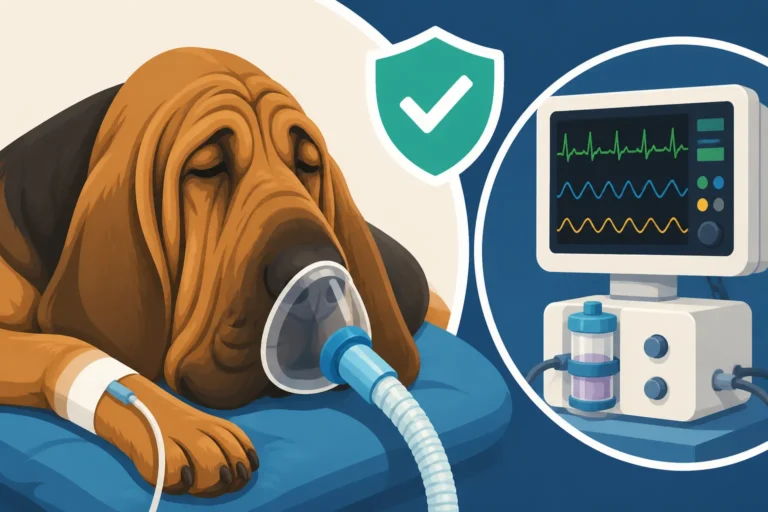
When your Bloodhound arrives at the emergency clinic in distress, the veterinary team works quickly to stabilize them and prepare for surgery. This initial assessment includes X-rays to confirm GDV and evaluate the severity. During surgery, the veterinarian will carefully untwist the stomach (detorsion). It's at this critical juncture that the spleen's condition is fully assessed. If the spleen is found to be significantly damaged, actively bleeding, or necrotic (dead tissue), its removal becomes a necessary, life-saving step. This is not a decision taken lightly but is often unavoidable to prevent further complications like internal hemorrhage or systemic infection that would worsen an already dire prognosis.
The Financial Impact of Spleen Removal During Bloat Surgery
It’s a brutal truth that an emergency bloat surgery for a Bloodhound is already a significant financial undertaking. Adding a splenectomy – the surgical removal of the spleen – to this procedure inevitably increases the overall bill. This isn't just about removing an extra organ; it encompasses a range of additional resources, time, and expertise. When you're facing this kind of emergency, the last thing you want to worry about is money, but understanding these factors can help alleviate some of the shock.
First, the complexity of the surgery itself increases. A standard GDV surgery focuses on detorsing the stomach and performing a gastropexy to prevent future twists. When the spleen is involved, the surgical team must spend additional time carefully ligating (tying off) the blood vessels supplying the compromised spleen and then removing the organ. This extended surgical time means longer periods under anesthesia for your Bloodhound, which necessitates more anesthetic drugs, more oxygen, and prolonged monitoring by a veterinary technician to ensure stable vital signs. Each minute under anesthesia carries its own costs and risks.
Second, the level of surgical skill and post-operative care required often escalates. While many general practitioners can perform an uncomplicated gastropexy, a splenectomy during an emergency GDV can be more intricate, especially if there's extensive bleeding or adhesions. Sometimes, this might even call for a board-certified veterinary surgeon, whose expertise naturally comes at a higher fee. Furthermore, after the spleen is removed, it's typically sent to a veterinary pathologist for histopathological examination. This is to determine why the spleen was damaged (e.g., torsion, tumor, infarct) and if there are any underlying diseases that need to be addressed. The pathologist's report, while crucial for your Bloodhound's long-term health plan, adds another separate charge to your bill.
Consider the potential line items on a bill for What Emergency Bloat Surgery Costs on a Bloodhound. You’ll already see charges for initial emergency examination, diagnostics (X-rays, bloodwork), IV fluids, medications, anesthesia, surgical fees, and hospitalization. With a splenectomy, you're adding:
- Extended Anesthesia & Surgical Time: More drugs, more gases, more staff time.
- Additional Surgical Supplies: More suture material, specialized clips, and possibly more blood products if your Bloodhound experiences significant blood loss.
- Pathology Fees: The cost to send the removed spleen to a lab for analysis.
- Increased Post-Operative Monitoring: Due to the added surgical trauma and potential for more complications, your Bloodhound may require more intensive care in the immediate recovery period. This can mean more frequent checks, specialized pain management, and longer stays in the ICU.
To illustrate, let's look at a generalized comparison of how costs might differentiate:
| Cost Component | Bloat Surgery (Gastropexy Only) | Bloat Surgery (with Splenectomy) |
|---|---|---|
| Emergency Exam & Stabilization | Included | Included |
| Diagnostics (X-rays, Bloodwork) | Included | Included |
| Anesthesia & Monitoring | Standard Duration/Complexity | Extended Duration/Increased Risk |
| Surgical Fees | Stomach Detorsion, Gastropexy | Detorsion, Gastropexy, Splenectomy |
| Surgical Supplies | Standard | Increased (sutures, ligatures) |
| Hospitalization & IV Fluids | Standard Duration/Care | Potentially Longer/More Intensive |
| Post-Op Medications | Standard | Potentially More/Stronger Pain Meds |
| Pathology Report for Spleen | Not Applicable | Additional Charge |
| Potential Specialist Surgeon Fee | Varies (often GP for routine) | More likely to involve specialist |
This table shows that while some base costs remain, the "with Splenectomy" column introduces new costs and elevates existing ones due to increased complexity and time. It’s important to remember that these are general categories and specific charges will vary significantly based on your geographic location, the veterinary clinic, and the individual needs of your Bloodhound. Understanding Whether a Bloodhound's Bloat Bill Looks Like Line by Line can help you interpret the itemized statement you receive from the clinic.
Post-Operative Care and Long-Term Considerations After Spleen Removal
The journey doesn't end when your Bloodhound leaves the operating room. In fact, for a Bloodhound that has undergone a splenectomy during bloat surgery, the post-operative care and potential long-term expenses can be more involved. The immediate recovery period requires careful management, and you, as the owner, play a critical role in their healing process.
Firstly, your Bloodhound will likely have a longer hospital stay compared to a bloat surgery without spleen removal. This is because the body needs more time to recover from the additional trauma and blood loss associated with a splenectomy. More overnight stays in a veterinary intensive care unit mean more costs for monitoring, medication administration, and around-the-clock nursing care. The surgical site will be larger, and pain management will be a paramount concern. Your vet will prescribe strong pain relief and possibly antibiotics, which are additional expenses. Keeping them comfortable and preventing infection is crucial for a smooth recovery. How Long a Bloodhound Stays In After Bloat Surgery will give you an idea of typical durations, but adding a splenectomy often pushes it to the longer end of that spectrum.
Upon returning home, your Bloodhound will need a period of strict rest and activity restriction. This means no running, jumping, or rough play for several weeks. Their incision site will need daily checks for signs of infection or dehiscence (opening of the wound). There will also be follow-up veterinary appointments to monitor healing, remove sutures, and assess their overall recovery. These recheck appointments, while essential, also contribute to the overall bill.
Longer term, while dogs generally cope well without a spleen, it does play a role in the immune system and blood filtering. Some dogs might be slightly more susceptible to certain infections, though this is not universal. You might find yourself more vigilant about their health, which could lead to additional vet visits if you notice any unusual symptoms. Diet might also be a consideration. While a specific spleen-removal diet isn't usually required, a high-quality, easily digestible diet is always beneficial during recovery and for long-term health. Services like Chewy or Ollie can be excellent resources for exploring vet-approved diets and having them delivered right to your door, making the process a little easier during a stressful recovery.
It's also worth noting the emotional and physical toll on you, the owner. Caring for a recovering Bloodhound, especially after such a traumatic event, can be exhausting. The stress of the emergency, combined with the financial strain, is immense. This is where having pet insurance can truly be a lifesaver. Providers such as Healthy Paws offer coverage for emergency surgeries, and while policies vary, a good plan can significantly offset the high costs of both bloat surgery and a splenectomy. It's an investment that can provide immense peace of mind. While The Survival Rate for a Bloodhound That Reaches Surgery is generally good, the full Whether a Bloodhound's Recovery From Bloat Is Complete involves more than just surviving the initial event; it's about returning to a good quality of life, which requires diligent care.
Preparing for the Unforeseen: Proactive Measures and Financial Planning
The truth is, no one wants to imagine their beloved Bloodhound facing a life-threatening emergency like bloat, let alone contemplating a splenectomy. However, being prepared both physically and financially can make all the difference. Proactive measures are your best defense against both the health risks and the staggering costs.
One of the most impactful proactive steps you can take is considering a preventive gastropexy for your Bloodhound. This surgical procedure permanently attaches the stomach to the abdominal wall, drastically reducing the risk of it twisting. While it doesn't prevent the stomach from filling with gas (dilatation), it largely eliminates the deadly 'volvulus' aspect of GDV. By preventing the twist, you significantly reduce the chances of secondary complications like splenic torsion, thus potentially avoiding the need for an emergency splenectomy. This is why The Case for Tacking a Bloodhound's Stomach Down Early is so compelling.
The cost of a preventive gastropexy, especially if performed during a routine spay or neuter, is substantially lower than an emergency bloat surgery with complications. You can schedule it, budget for it, and avoid the heart-wrenching, urgent decisions made in a crisis. What a Preventive Gastropexy Costs on a Bloodhound is a manageable expense compared to the thousands of dollars an emergency bloat and splenectomy can incur.
Beyond preventive surgery, financial preparedness is crucial for any Bloodhound owner. Given the breed's predispositions to certain health issues, including bloat and various eye and ear problems, an emergency fund specifically for veterinary care is highly recommended. Many financial advisors suggest having a few thousand dollars readily accessible for pet emergencies. If saving a large sum isn't immediately feasible, exploring options like pet insurance early in your Bloodhound's life is a smart move. Whether Pet Insurance Is Worth It on a Bloodhound often comes down to individual financial situations and risk tolerance, but for a breed prone to expensive emergencies, it can be invaluable.
When considering pet insurance, do your homework. Look at different providers and their coverage for emergency surgeries, pre-existing conditions (though bloat often isn't considered one unless they've had a prior episode), and chronic care. Discuss potential costs with your veterinarian during routine visits. Ask for estimates for common procedures and emergencies. While they can't predict the future, they can give you a realistic range of what certain interventions might entail. Having these conversations calmly, outside of an emergency, can empower you to make informed decisions and better prepare for your Bloodhound's long-term health and your financial well-being.
Disclaimer
This article is for general informational purposes only and does not constitute professional advice. Laws, prices and regulations vary by location and change over time. Consult a qualified professional for guidance on your specific situation.