A Bloodhound’s Money Is Spent in the Operating Room
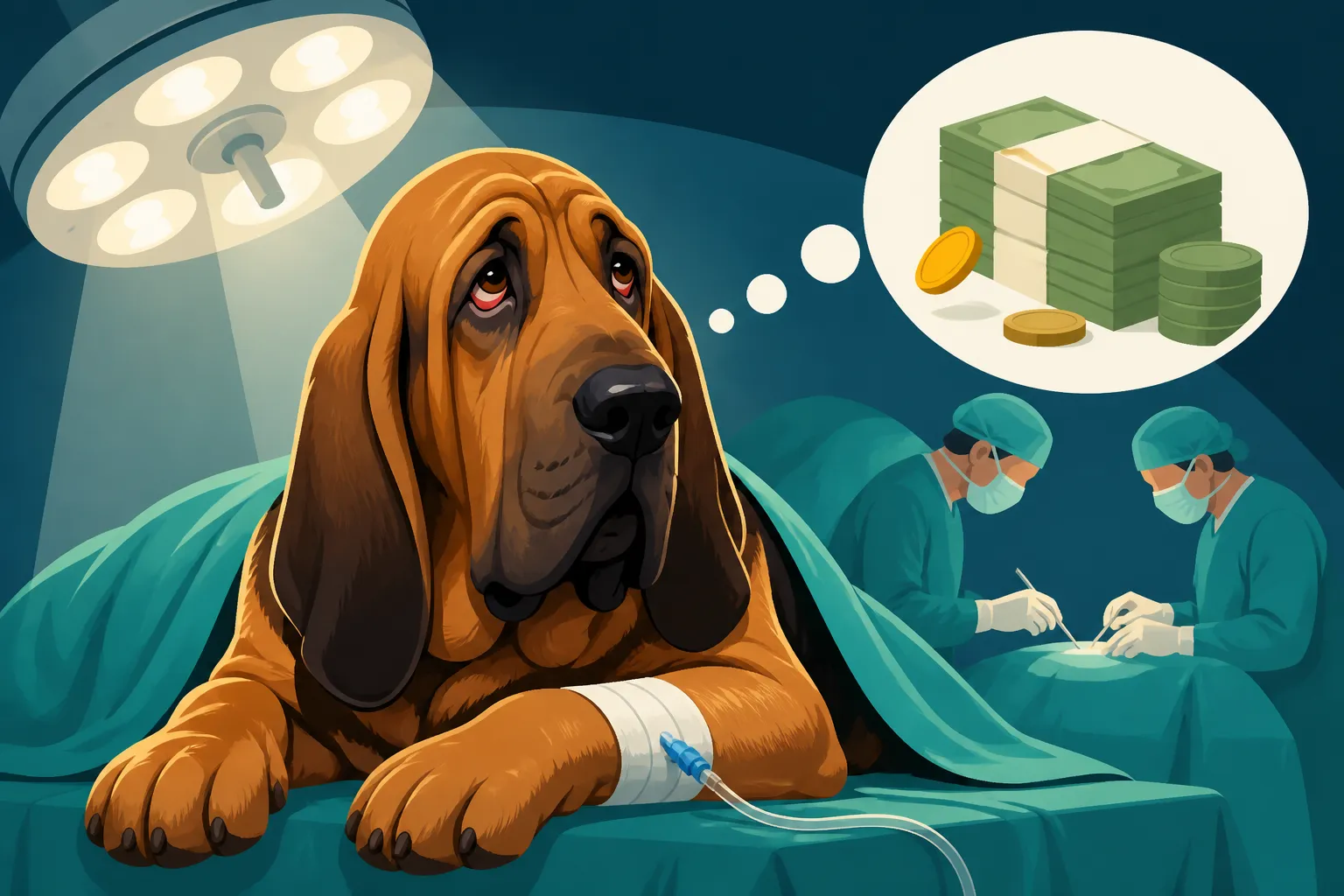
For many Bloodhound owners, the journey isn't just one of boundless love and endless slobber; it's also a significant financial commitment, especially when it comes to their beloved hound's health. The unfortunate reality for many of us who share our lives with these magnificent scent hounds is that a substantial portion of our investment will likely be directed toward veterinary care, often culminating in the operating room. This guide will walk you through the primary surgical expenses you might encounter and how to prepare for them, ensuring you can provide the best possible care for your Bloodhound.
The Inevitable Reality of Bloodhound Health Challenges
Bringing a Bloodhound into your life is a joy, but it also means embracing a breed known for specific health predispositions. It's not a matter of if, but often when, you'll face a situation that requires a vet's skilled hands and a surgical suite. These aren't just "unlucky" occurrences; they're often tied to the very physical characteristics that make our Bloodhounds so unique and effective at their work. From their deep chests to their famously long ears and expressive, droopy eyes, these traits, while endearing, unfortunately contribute to a higher likelihood of needing surgical intervention compared to many other breeds. Understanding this upfront can help you mentally and financially brace for these common, often critical, challenges.
Understanding Breed-Specific Surgical Risks
Bloodhounds are magnificent dogs, but their unique conformation comes with its own set of health considerations. Their deep chests, iconic long ears, and characteristic loose skin are not just aesthetic traits; they are fundamental to their trailing ability but also contribute significantly to breed-specific health problems that often require surgical solutions. It's a bittersweet truth that the very features we adore often lead us to the vet's door for costly procedures.
The Deep Chest and Bloat Risk
One of the most terrifying realities for any Bloodhound owner is the risk of bloat, or Gastric Dilatation-Volvulus (GDV). This isn't just an upset stomach; it's a life-threatening emergency where the stomach fills with gas and can twist, cutting off blood supply. The deep, narrow chest of a Bloodhound is a major predisposing factor. We often hear stories of otherwise healthy dogs succumbing to this condition with alarming speed. It's a stark reminder that time is absolutely critical. Knowing the signs a Bloodhound is bloating can make the difference between life and death, but even with prompt recognition, surgery is almost always the only option. The speed at which bloat kills a Bloodhound is truly frightening, leaving owners little time to react.
The Long Ears and Chronic Infections
Ah, those magnificent, pendulous ears! While they undoubtedly aid in scenting by sweeping odors towards their powerful noses, they also create a warm, moist, and poorly ventilated environment – a perfect breeding ground for bacteria and yeast. Bloodhounds are notorious for ear infections, and while many can be managed with diligent cleaning and medication, some become chronic, persistent issues that resist conventional treatment. When an ear infection becomes permanent, it can lead to severe pain, hearing loss, and changes in the ear canal that ultimately necessitate surgery to resolve. It's a disheartening cycle for owners who clean regularly and still face recurrent problems.
The Droopy Eyes and Eyelid Conditions
The soulful, droopy eyes of a Bloodhound are iconic, contributing to their mournful yet gentle expression. However, this loose skin around the eyes often leads to conditions like ectropion (where the eyelid rolls outward) and entropion (where it rolls inward). Both can cause significant discomfort and health issues. Ectropion exposes the delicate conjunctiva and globe to dust, dirt, and injury, leading to chronic irritation and infections. Entropion, conversely, causes eyelashes or hair to rub against the cornea, leading to painful corneal ulcers. These aren't just cosmetic issues; they require careful management and, very often, surgical correction to prevent ongoing pain and preserve vision. Eyelid surgery is the bill Bloodhound owners do not expect, but it's often a necessity.
Emergency Bloat Surgery: The Most Critical Operating Room Expense
When a Bloodhound bloats, there's no time for hesitation. This isn't a "wait and see" situation; it's a frantic rush to the nearest emergency veterinary hospital. The costs associated with emergency bloat surgery are substantial, reflecting the urgency, complexity, and specialized care required to save your dog's life. This is often the single most expensive veterinary event a Bloodhound owner will face, and it often happens without warning, plunging families into crisis.
The Immediate Financial Shock of Bloat
The moment you realize your Bloodhound is bloating, your mind probably races with fear, not finances. But once the immediate crisis is addressed, the bill arrives, and it can be staggering. Bloat surgery is an intensive procedure, often performed by emergency veterinary specialists, potentially in the middle of the night, when costs are typically higher. There's the surgical fee itself, which includes anesthesia, the surgeon's time, and the operating room supplies. Then there are the extensive post-operative care costs, which can include overnight stays in intensive care, pain management, IV fluids, and constant monitoring. You might also face charges for diagnostics like X-rays, blood work, and potential removal of the spleen if it was damaged during the torsion.
A typical bloat surgery bill can reach into the thousands, and sometimes even tens of thousands, depending on the severity of the bloat, the need for advanced life support, and the length of hospital stay. This unexpected financial hit can be devastating, especially if you haven't prepared. It's a situation that truly underscores the value of an emergency fund or robust pet insurance. Many owners find themselves making difficult decisions under immense pressure, and no one ever wants to be in that position when their beloved dog's life hangs in the balance.
Post-Operative Care and Potential Complications
Surviving the initial surgery is a huge hurdle, but the journey doesn't end there. Post-operative care for a Bloodhound recovering from bloat surgery is intensive and crucial for full recovery. Your dog will likely require several days in the hospital, hooked up to IVs, and receiving constant pain medication and monitoring for potential complications. The surgical site needs careful management to prevent infection, and your Bloodhound's heart rhythm will be closely watched, as cardiac arrhythmias are a common and serious post-bloat complication. You'll go home with a regimen of medications, strict rest instructions, and likely a bland diet.
Even after successful surgery, there's always the risk of complications. Some dogs develop pancreatitis, pneumonia, or continue to have issues with digestion. Unfortunately, the survival rate for a Bloodhound that reaches surgery isn't 100%, and even those that pull through may face a long, slow recovery. The emotional toll of watching your dog struggle, combined with the ongoing financial strain of rechecks and potential further treatments, can be immense. It's a stark reminder that while the surgery saves a life, the recovery can be a marathon, not a sprint.
The Case for Preventive Gastropexy: Investing Early to Avoid Crisis
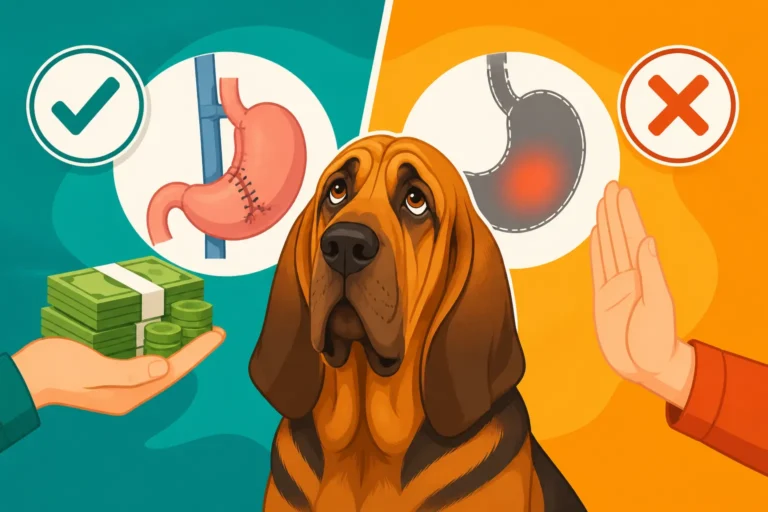
Given the terrifying reality of bloat, many Bloodhound owners opt for a preventive measure: a gastropexy. This surgical procedure permanently attaches the stomach to the abdominal wall, preventing it from twisting. While it's still a surgical expense, it's typically far less costly and far less stressful than emergency bloat surgery, and it can save a life and a fortune in the long run.
What a Prophylactic Gastropexy Entails
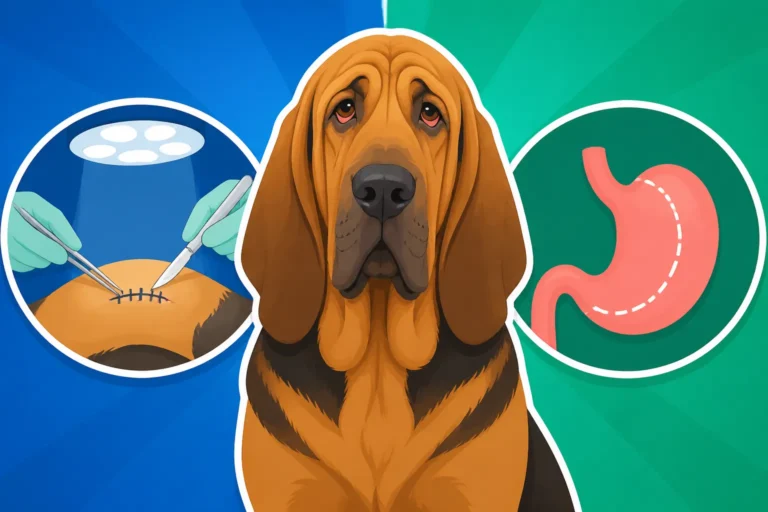
A preventive gastropexy is a procedure where a veterinary surgeon creates a permanent adhesion between your Bloodhound's stomach and the inside of their abdominal wall. This simple attachment prevents the stomach from rotating or twisting, which is the "volvulus" part of GDV. It doesn't prevent the stomach from dilating (filling with gas), but it absolutely prevents the life-threatening twist. The age a Bloodhound should have a gastropexy is often debated, but many vets recommend it around the time of spay or neuter, typically between six months and two years of age, to minimize anesthesia events.
There are different methods for performing a gastropexy. A traditional open gastropexy involves a larger incision, similar to what would be made during an emergency bloat surgery. However, many vets now offer a laparoscopic gastropexy, which is much less invasive, using small incisions and a camera. This often means a faster recovery time and less post-operative discomfort for your Bloodhound. While a laparoscopic gastropexy costs more on a Bloodhound initially, the benefits of reduced recovery time and pain often outweigh the extra expense for many owners. The decision to pursue this surgery is a proactive step that can drastically reduce the risk of a future life-threatening emergency, offering immense peace of mind.
Comparing Costs: Preventive vs. Emergency
Let's talk numbers, not exact figures, but the scale of the difference. What a preventive gastropexy costs on a Bloodhound is significantly lower than the bill for an emergency bloat surgery. A preventive gastropexy, especially if performed during a spay or neuter, often involves a shorter surgical time, less intensive post-operative care, and usually doesn't require an overnight stay in an emergency critical care unit. It's a planned procedure, allowing you to budget for it, rather than being blindsided by an urgent, unexpected expense.
Consider this: you might pay a few thousand for a preventive gastropexy, which includes the surgery, anesthesia, and routine recovery. However, an emergency bloat surgery, with all its complexities, night-time surcharges, and intensive care, can easily run into five figures. The financial difference is enormous. Many owners find that whether adding a gastropexy to a Bloodhound's neuter is cheaper makes it a financially savvy decision, often saving them a substantial sum down the road. It truly is one of those instances where spending a reasonable amount now can save you a fortune (and your dog's life) later. It's a proactive choice that pays for itself on a Bloodhound in terms of both financial and emotional cost.
| Procedure Type | Urgency | Cost Shape | Recovery Time | Primary Benefit |
|---|---|---|---|---|
| Emergency Bloat Surgery | Critical | Very High (5-figures) | Days to Weeks | Life-saving intervention, addresses torsion |
| Preventive Gastropexy | Elective | Moderate (4-figures) | Few Days | Prevents stomach torsion, offers peace of mind |
| Ectropion/Entropion Surgery | Elective/Urgent | Moderate (4-figures) | Days to Weeks | Prevents eye irritation, preserves vision |
| Total Ear Canal Ablation | Elective | High (4-figures) | Weeks to Months | Resolves chronic, painful ear infections |
| Hip/Elbow Dysplasia Surgery | Elective/Urgent | High (4-figures) | Weeks to Months | Restores mobility, alleviates pain |
Eye Surgeries: Correcting Nature's Design Flaws
Those famous droopy Bloodhound eyes, while full of character, are unfortunately prone to several conditions that often require surgical intervention. It's a common source of frustration for owners who diligently clean their dog's eyes, only to face ongoing irritation and the inevitable recommendation for surgery.
Eyelid Tacking and Corrective Surgeries
The most common eye issues in Bloodhounds, ectropion and entropion, are often corrected surgically. Ectropion, where the lower lid sags outwards, can be a major irritant, allowing debris into the eye and causing chronic conjunctivitis. Entropion, the inward rolling of the eyelid, is perhaps even more painful as the eyelashes constantly abrade the cornea, leading to ulcers. These conditions aren't just cosmetic; they profoundly affect a Bloodhound's comfort and vision.
Surgical correction involves removing a small wedge of tissue from the eyelid to tighten it, repositioning it correctly against the eyeball. This might be done as a temporary tacking procedure in puppies, or as a more permanent corrective surgery once the dog is fully grown. The age a Bloodhound has its eyelids tacked often happens relatively young if the condition is severe enough to cause problems. Sometimes, a Bloodhound's eyelid surgery is cosmetic in the sense that it improves appearance, but its primary purpose is almost always therapeutic: to relieve pain, prevent infection, and protect the eye. What ectropion surgery costs on a Bloodhound can vary widely depending on the severity, whether a specialist is needed, and if both eyes are done at once. It's a significant expense that many new owners don't anticipate.
Treating Cherry Eye and Dry Eye Complications
Beyond the structural issues of the eyelids, Bloodhounds can also develop other eye problems that may require surgery or lifelong medication. Cherry eye, where the gland of the third eyelid prolapses and appears as a red mass in the inner corner of the eye, is another common condition. While it might look alarming, it's often more irritating than painful, but it does need to be addressed. Often, the gland can be surgically tucked back into place; rarely is it removed, as this can lead to other complications. Whether a Bloodhound's cherry eye should be tucked or removed is a question for your vet, as preserving the gland is crucial for tear production.
Untreated or poorly managed eye conditions, or those where the tear gland has been compromised, can lead to dry eye (keratoconjunctivitis sicca). This is where the eyes don't produce enough tears, leading to chronic irritation, redness, and potential vision loss if left untreated. While dry eye usually requires lifelong medication, in severe cases, surgical procedures like parotid duct transposition can be considered, which reroutes a salivary gland duct to produce moisture for the eye. The ongoing expense of a Bloodhound's eye drops each year can be substantial, adding to the overall cost of living with this breed. Daily eye care for a Bloodhound is a non-negotiable part of ownership.
Ear Surgeries: When Routine Cleaning Isn't Enough
The sheer size and conformation of a Bloodhound's ears are breathtaking, but they are also a perpetual source of concern for owners. Despite diligent cleaning, some Bloodhounds will unfortunately develop chronic ear infections that medical management simply cannot resolve, leading to the difficult decision of surgical intervention.
Chronic Otitis and Total Ear Canal Ablation
We all know the drill: weekly ear cleanings, special ear cleansers, and perhaps medicated drops at the first sign of redness. Cleaning a Bloodhound's ears every week for life becomes second nature. But for some Bloodhounds, the infections persist, becoming deeper and more aggressive. When a Bloodhound's ear infection becomes permanent, the ear canal itself can undergo irreversible changes, thickening and scarring to the point where it restricts airflow entirely and prevents medication from reaching the infection. This leads to constant pain, head shaking, scratching, and a strong, unpleasant odor.
At this point, your vet might recommend a total ear canal ablation (TECA). This is a specialized surgical procedure where the entire diseased ear canal is removed, and the middle ear is cleaned. While drastic, it provides immense relief for dogs suffering from chronic, intractable ear infections. It’s a complex surgery that can be costly and requires careful post-operative management, but for a dog in constant pain, it offers a new lease on life. The outcome for a Bloodhound that undergoes ear canal surgery is generally positive in terms of pain relief, although hearing in the affected ear will be permanently lost or significantly reduced.
Addressing Aural Hematomas and Other Ear Trauma
Beyond infections, Bloodhounds are also prone to other ear-related issues, largely due to the sheer weight and length of their ear leathers. Aural hematomas are a common problem: these are pockets of blood that form between the skin and cartilage of the ear flap, usually caused by vigorous head shaking due to an ear infection or irritation. When a Bloodhound's ear hematoma needs draining, it's often a surgical procedure to incise and drain the hematoma, then place sutures or drains to allow the ear to heal flat. If left untreated, the ear can heal with a permanently crumpled, cauliflower-like appearance.
Other forms of ear trauma can also necessitate vet visits and sometimes surgical repair. Tears or lacerations to the ear leather, often caused by snagging on branches or rough play, can bleed profusely and require suturing. While perhaps not as complex as a TECA, these incidents still mean an unexpected trip to the vet, potentially requiring sedation or anesthesia, and adding to the ongoing cost of managing a Bloodhound's ears. The standing cost of a Bloodhound's ears really adds up over time, even with preventative measures.
Orthopedic Surgeries: Addressing Joint Health
Bloodhounds are large, heavy dogs, and like many giant breeds, they are unfortunately predisposed to joint issues, particularly hip and elbow dysplasia. These conditions can cause significant pain and lameness, often requiring surgical intervention to restore comfort and mobility.
Hip and Elbow Dysplasia Corrections
Hip and elbow dysplasia are genetic conditions where the joints don't develop properly, leading to instability, pain, and eventually arthritis. In Bloodhounds, due to their size and rapid growth, these conditions can manifest relatively early in life. Signs a Bloodhound puppy has elbow dysplasia might include a limp or reluctance to play. When a Bloodhound limps before it is a year old, it's a huge red flag for joint problems. Diagnosing these conditions typically involves X-rays, often requiring sedation, which adds to the initial diagnostic costs.
Surgical options for hip and elbow dysplasia vary depending on the severity and the dog's age. For hip dysplasia, procedures might include a Triple Pelvic Osteotomy (TPO) for younger dogs, or a total hip replacement for more severe cases in mature dogs. For elbow dysplasia, arthroscopic procedures can remove bone fragments or smooth joint surfaces. These surgeries are highly specialized, often performed by orthopedic veterinary surgeons, and command a significant price tag. They are complex procedures with extensive recovery periods, often involving physical therapy, which adds further to the overall financial and time commitment. Understanding what an OFA Hip Score means for a Bloodhound can help you choose a puppy from a responsible breeder who screens their stock.
Managing Arthritis and Mobility Issues
Even with successful surgical interventions, or for dogs that don't undergo surgery but develop joint pain, managing arthritis in a large breed like a Bloodhound is an ongoing concern. As a Bloodhound ages, particularly after the age of six, arthritis can really start to slow a Bloodhound, impacting their mobility and quality of life. While many cases are managed with pain medication, anti-inflammatory drugs, joint supplements (like glucosamine and chondroitin), and physical therapy, some dogs may require additional surgical procedures as their condition progresses.
These might include minor procedures to remove osteophytes (bone spurs) that are causing impingement, or nerve blocks for pain management. The cost of managing arthritis is not a one-time surgical bill but a continuous stream of medication, supplements, and specialized care throughout your dog's later years. This can add up significantly, especially given the large doses of medication required for a dog of Bloodhound size. Investing in high-quality joint care and proactive management from a young age can help delay or mitigate the severity of these issues, but for many Bloodhounds, surgery will eventually be part of their orthopedic journey.
Financial Planning for a Bloodhound's Health
The reality is that owning a Bloodhound comes with an implicit understanding that you will face significant veterinary expenses. The operating room is a place many Bloodhound owners will visit, some multiple times. Preparing for this financial reality is crucial for ensuring you can provide the best care without undue stress.
The Role of Pet Insurance in Managing Costs
Pet insurance can be an absolute lifesaver for Bloodhound owners. Given the breed's predisposition to bloat, eye issues, ear infections, and joint problems, all of which often lead to surgery, a good insurance policy can turn potentially crippling veterinary bills into manageable deductibles and co-pays. When choosing a plan, it's vital to read the fine print, especially regarding congenital and hereditary conditions. You want a policy that will cover these breed-specific issues, as many plans have exclusions or waiting periods.
Providers like Healthy Paws are often favored for their comprehensive accident and illness plans that generally cover hereditary conditions, provided they are not pre-existing. Enrolling your Bloodhound when they are young and healthy is key, as conditions that develop before enrollment may be considered pre-existing and therefore excluded. Whether a Bloodhound policy caps bloat is an important question to ask your potential insurer, as this is one of the highest cost conditions. Having insurance means you can make medical decisions based on what's best for your Bloodhound, rather than solely on what you can afford out of pocket in a crisis.
Building an Emergency Fund
Even with pet insurance, an emergency fund is a non-negotiable for Bloodhound owners. Most insurance policies involve a deductible and a reimbursement percentage, meaning you'll still be responsible for a portion of the bill upfront. For a multi-thousand-dollar surgery, even 10-20% can still be a significant amount. A dedicated emergency savings account for your Bloodhound ensures you have immediate access to funds when unexpected medical crises arise.
This fund can cover deductibles, the percentage of costs not covered by insurance, or procedures that might fall outside your policy's coverage. It also provides a buffer during waiting periods before your insurance coverage fully kicks in. Aim to have at least a few thousand dollars set aside. This financial cushion offers peace of mind and allows you to focus on your Bloodhound's recovery during stressful times. Knowing how much a Bloodhound owner should keep liquid can prevent desperate financial decisions during a medical emergency.
Budgeting for Ongoing Preventative Care and Maintenance
Beyond the big surgical expenses, Bloodhounds require consistent, often intensive, preventative care that also has a financial impact. Regular ear cleaning with specific solutions, daily eye wiping, specialized diets for sensitive stomachs or joint health, and high-quality large-breed food are all ongoing costs. What a year of ear cleaner costs a Bloodhound owner, for example, might seem minor on its own, but these items add up.
Consider subscriptions or bulk purchases from retailers like Chewy for regular supplies, which can sometimes offer cost savings. If your Bloodhound needs specific prescription diets or supplements, checking with your vet for preferred online pharmacies or larger bag options can also help manage expenses. For those using specialized diets, services like Ollie might offer tailored meal plans that address specific health needs. These are not operating room expenses, but consistent, quality preventative care can sometimes delay or even prevent the need for more costly interventions down the line. Remember, every dollar spent on prevention is a potential dollar saved on reactive treatment.
Beyond Surgery: Other High-Cost Veterinary Services
While surgery tends to be the single highest cost, Bloodhound ownership also involves other significant veterinary expenses that contribute to the overall financial picture, often driven by the same breed characteristics.
Diagnostics and Specialized Consultations
Before any surgery can happen, there are often extensive diagnostic steps. For a limping Bloodhound, this means X-rays, possibly under sedation, to assess hips and elbows. For chronic ear infections, it might involve ear cultures, cytology, and potentially sedation for thorough ear flushing. Eye conditions often warrant referral to a veterinary ophthalmologist, whose initial consultation fees and specialized diagnostic tests (like tear production tests or corneal staining) can be substantial before any treatment plan is even discussed.
The phrase "a Bloodhound's money is spent in the operating room" also implicitly includes the lead-up to that operating room. These diagnostic steps, specialist consultations, and advanced imaging are all part of the journey and carry their own high price tags. Whether a Bloodhound's ophthalmology referral costs more can depend on the specialist's rates, but generally, expertise comes at a premium. It’s an investment in understanding the problem fully before committing to a surgical solution.
Rehabilitation and Long-Term Pain Management
For many Bloodhounds recovering from orthopedic surgeries or those living with chronic arthritis, rehabilitation is crucial. This can include physical therapy, hydrotherapy, acupuncture, or laser therapy sessions. These therapies are often not fully covered by basic pet insurance plans and represent a significant out-of-pocket expense that can stretch over weeks or months. Each session contributes to improved mobility and pain relief, but the costs add up quickly.
Long-term pain management also involves medication that can be expensive, particularly for a large dog requiring higher dosages. Dogs with chronic conditions might be on daily medications for the rest of their lives. These ongoing pharmaceutical costs are a major consideration. It's not just the surgical bill, but the post-operative life that continues to demand financial resources, ensuring your Bloodhound maintains the best possible quality of life despite their health challenges.
Making Responsible Choices for Your Bloodhound's Future
Owning a Bloodhound is a deeply rewarding experience, but it truly requires a realistic understanding of the potential financial commitments, especially concerning their health. Being prepared, both emotionally and financially, is the best gift you can give your noble companion.
Choosing a Responsible Breeder
One of the most impactful decisions you can make to mitigate future surgical costs is choosing a responsible breeder. A reputable Bloodhound breeder will meticulously health test their breeding stock for common hereditary conditions like hip and elbow dysplasia, as well as cardiac and thyroid issues. They should be transparent about the health history of their lines and provide documentation, such as OFA certifications for hips and elbows. While a health tested Bloodhound puppy costs more upfront, this initial investment significantly reduces the likelihood of expensive surgeries down the line.
A good breeder also prioritizes temperament and responsible breeding practices, ensuring puppies are well-socialized and come from healthy parents. They won't shy away from discussing potential health challenges inherent to the breed and will prepare you for the realities of Bloodhound ownership. Remember, a cheap Bloodhound might have skipped its screening, leading to far greater costs in veterinary bills later on.
The Lifetime Cost of Bloodhound Ownership
It's easy to focus on the immediate costs of a puppy or a single surgical event, but it's important to consider the entire picture: the lifetime cost of Bloodhound ownership. This isn't just about purchase price and food; it's about the recurring veterinary visits, preventative medications, grooming supplies, training, and those inevitable trips to the operating room.
While the "money is spent in the operating room" is a very real adage for Bloodhounds, it's a testament to our commitment to these incredible dogs. They bring so much joy, loyalty, and companionship into our lives that for many of us, the financial investment is simply part of the package. By understanding these potential expenses and planning accordingly, we can ensure our Bloodhounds receive the best possible care throughout their lives, making every penny spent a worthwhile investment in their health and happiness.
Disclaimer
This article is for general informational purposes only and does not constitute professional advice. Laws, prices and regulations vary by location and change over time. Consult a qualified professional for guidance on your specific situation.