What the Surgeon Does to a Bloodhound’s Stomach and Spleen
When your beloved Bloodhound suddenly starts pacing, retching unsuccessfully, and showing signs of a rapidly distending abdomen, every second feels like an eternity. The terrifying reality of bloat, or Gastric Dilation-Volvulus (GDV), is a nightmare no Bloodhound owner ever wants to face, knowing it can be fatal within hours. This guide will walk you through precisely what happens once your dog arrives at the emergency clinic, focusing on the critical surgical interventions a veterinarian performs on your Bloodhound's stomach and spleen to save their life.
Understanding the Emergency: Gastric Dilation-Volvulus (GDV)
Gastric Dilation-Volvulus is a truly devastating condition that strikes large, deep-chested breeds like our Bloodhounds with alarming speed and severity. It's not just a stomach ache; it's a rapidly progressing, life-threatening emergency that requires immediate veterinary attention. Thinking of GDV as merely "bloat" can sometimes minimize the profound danger involved. It's truly a complex medical crisis affecting multiple organ systems.
The Immediate Danger: Stomach Dilation
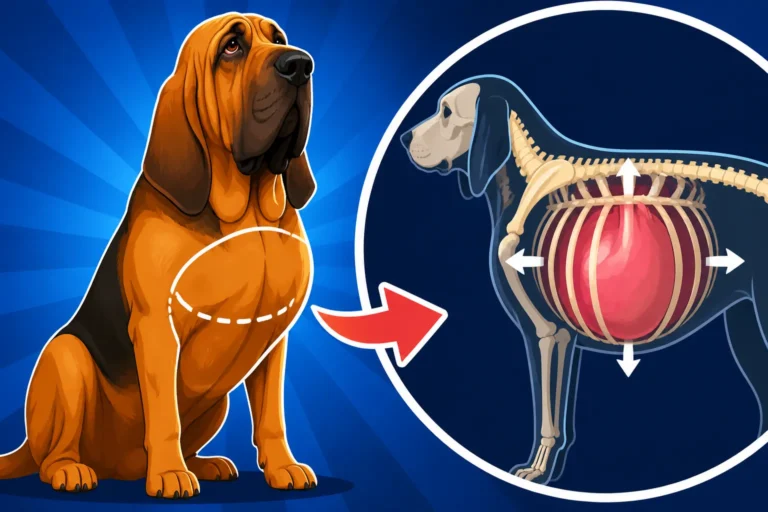
The first part of GDV is the "dilation," where the stomach rapidly fills with gas, fluid, or even food. This incredible swelling can happen seemingly out of nowhere, often after a meal or vigorous activity. The stomach, normally a flexible bag, becomes a massively distended, rigid balloon within the abdomen. This expansion isn't just uncomfortable; it puts immense pressure on surrounding organs, the diaphragm, and major blood vessels.
As the stomach inflates, it presses against the diaphragm, making it incredibly difficult for your Bloodhound to breathe properly. They might gasp for air, their gums could appear pale, and their breathing becomes shallow and rapid. Simultaneously, the swollen stomach pushes on the large veins returning blood to the heart, severely restricting blood flow. This leads to a dangerous drop in blood pressure, triggering a state of shock, which can quickly become irreversible without intervention. It's this rapid decline in circulatory function that makes prompt action so critical.
The Twist: Gastric Volvulus
While dilation alone is a serious medical emergency, it’s the "volvulus" – the twisting of the stomach on its axis – that makes GDV so acutely deadly. Imagine a balloon tied at both ends; if it twists, everything inside is trapped, and nothing can get in or out. That's essentially what happens to your Bloodhound's stomach. The twist typically occurs clockwise, sometimes as much as 180 to 360 degrees.
This torsion completely cuts off the blood supply to the stomach wall, starving the tissue of oxygen and nutrients. Without blood flow, sections of the stomach tissue begin to die, leading to necrosis. Furthermore, the twisting motion often drags the spleen along with it, compromising its blood supply as well, which can result in severe damage or rupture of the spleen. The trapped gas and fluid continue to ferment and accumulate, exacerbating the dilation and shock. This combination of circulatory collapse, tissue death, and immense pain is why you have such a narrow window of time – often just a few hours – to get your Bloodhound to an emergency veterinary hospital. Understanding How Fast Bloat Kills a Bloodhound underscores the urgency of this situation.
Pre-Surgical Stabilization and Initial Steps
Upon arrival at the emergency clinic, the veterinary team’s immediate priority is to stabilize your Bloodhound before surgery. They understand the clock is ticking and will work swiftly and efficiently. This initial phase is crucial, as many Bloodhounds arrive in a state of profound shock and extreme pain, which must be addressed before they can safely undergo anesthesia and surgery.
Decompression and IV Fluids
The first, most critical step is to attempt to decompress the stomach – to relieve that suffocating pressure. The vet will try to pass a stomach tube down your Bloodhound's esophagus and into the stomach. If successful, this can release a massive amount of trapped gas and fluid, offering immediate, albeit temporary, relief. However, if the stomach is severely twisted, the tube might not pass. In such cases, the veterinarian may perform a trocarization, carefully inserting a large needle or trocar directly into the stomach through the abdominal wall to release gas. This is a temporary measure to allow some breathing room and stabilize the patient.
Simultaneously, the veterinary team will establish intravenous (IV) access, usually with large-bore catheters, to administer aggressive fluid therapy. Your Bloodhound will be in severe shock due to restricted blood flow, and IV fluids help to restore blood pressure and improve circulation to vital organs. Pain management is also a huge priority at this stage. Strong pain medications, often opioids, are administered to make your Bloodhound more comfortable and less stressed, which can also help stabilize their cardiovascular system. Constant monitoring of heart rate, blood pressure, and respiratory effort will be underway.
Diagnostic Imaging and Assessment
Once your Bloodhound is somewhat stabilized and initial decompression has been attempted, diagnostic imaging, typically X-rays, will be performed. This is not just to confirm GDV, which is often obvious clinically, but to assess the severity of the volvulus and look for any other complications. A characteristic "double bubble" appearance on an X-ray definitively confirms the stomach twist.
The X-rays also allow the vet to evaluate the position of the spleen, which is often displaced and can be twisted along with the stomach. They will also look for any signs of free gas in the abdomen, which could indicate a ruptured stomach, a dire complication. While they're assessing the internal situation, they'll also conduct blood work to check for electrolyte imbalances, organ damage, and other systemic issues caused by the severe shock. This comprehensive assessment guides the surgical plan and helps predict the prognosis.
The Surgical Procedure: Tackling the Stomach
Once your Bloodhound is stable enough, they will be rushed into surgery. This is where the surgeon actively intervenes to correct the physical anomaly that is threatening your dog’s life. The goal is two-fold: to untwist the stomach and to prevent it from twisting again.
Repositioning the Stomach
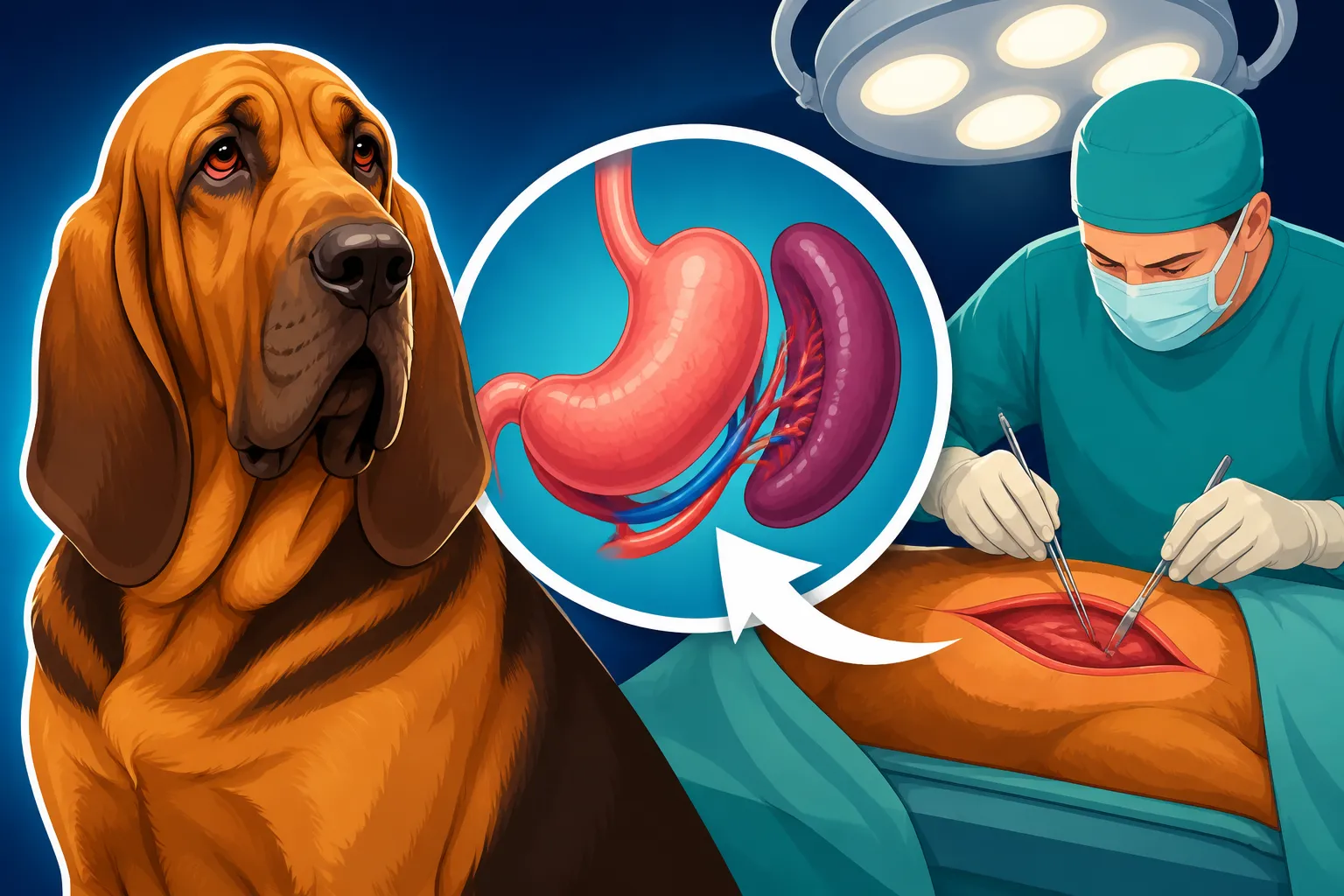
The surgeon will make a large incision along your Bloodhound's abdomen to gain full access to the stomach and surrounding organs. This incision, though significant, is necessary for proper visualization and manipulation of the severely distended and twisted stomach. The sight inside can be quite shocking, even to experienced vets, with the stomach appearing enormous and often dark purple or black due to compromised blood flow.
With extreme care, the surgeon will gently attempt to derotate the stomach, bringing it back to its normal anatomical position. This can be a challenging process, as the stomach is often tightly twisted and engorged. Once repositioned, the surgeon will meticulously inspect the stomach wall to assess its viability. They'll look for any areas of necrotic (dead) tissue, which would appear black or gray and feel thin or fragile. This inspection is crucial, as dead tissue must be removed, or it will eventually perforate, leading to fatal peritonitis. Understanding Whether a Bloodhound Survives Bloat often hinges on the extent of this tissue damage.
Performing the Gastropexy
After the stomach is repositioned and inspected, the surgeon's next critical step is to perform a gastropexy. This procedure is designed to permanently attach a portion of the stomach wall to the abdominal wall, specifically to prevent future episodes of volvulus. It's an essential part of the surgery, as without it, the recurrence rate of GDV is incredibly high, often exceeding 80-90%. You can learn more about What a Preventive Gastropexy Does for a Bloodhound and its long-term benefits.
The most common technique is an incisional gastropexy, where a small incision is made in the stomach muscle layer (seromuscular incision) and another corresponding incision is made in the right abdominal wall lining. These two incised edges are then sutured together. This creates a permanent adhesion as they heal, effectively "tacking" the stomach in place. While a gastropexy prevents the stomach from twisting, it's important to remember that it doesn't prevent dilation. Your Bloodhound could still experience gas buildup, but the life-threatening twist is largely avoided. This preventative measure is why many owners consider The Gastropexy Decision Every Bloodhound Owner Faces even for healthy dogs.
Addressing Spleen Involvement and Other Complications
Bloat is rarely just about the stomach. The immense twisting and pressure can have ripple effects throughout the abdomen, most commonly affecting the spleen. The surgeon must be prepared to address these additional complications to ensure the best possible outcome for your Bloodhound.
When the Spleen is Affected
The spleen, a vital organ for blood filtration and immune function, lies close to the stomach. During a GDV episode, it's very common for the spleen to get caught up in the stomach's twist. When this happens, its blood supply can be compromised, leading to swelling, bruising, and even necrosis. The surgeon will carefully examine the spleen once the stomach is derotated. If the spleen appears healthy and has good blood flow, it will be left in place.
However, if the spleen is severely damaged – if it's ruptured, necrotic, or shows signs of irreversible torsion – a splenectomy (surgical removal of the spleen) becomes necessary. This is a significant procedure, as the spleen can be quite large, especially in a Bloodhound. While dogs can live without a spleen, its removal does carry implications, including a slightly increased risk of certain infections and a temporary dip in red blood cell count. Owners often wonder Whether a Bloodhound Loses Its Spleen to Bloat, and the answer is that it happens in a significant number of cases when the damage is too great.
Assessing and Managing Damaged Tissue
Beyond the spleen, the surgeon must also meticulously assess the entire stomach wall for any areas of devitalized or necrotic tissue. As mentioned, parts of the stomach can die if their blood supply was cut off for too long. If only small, superficial areas are affected, they might be left to heal, but if large, deep sections of the stomach wall are necrotic, they must be removed. This procedure is called gastric resection and anastomosis.
Resecting part of the stomach is a complex and risky procedure. It involves carefully cutting away the dead tissue and then suturing the remaining healthy stomach edges back together. This significantly increases the surgical time, the risk of complications like leakage, and often carries a poorer prognosis compared to cases where only derotation and gastropexy are needed. The decision to resect is never taken lightly, but it’s absolutely necessary to prevent a fatal rupture of the stomach wall after surgery.
Here's a quick overview of potential surgical findings and their management:
| Finding During Surgery | Immediate Surgical Action | Long-Term Implications |
|---|---|---|
| Stomach Dilation & Volvulus | Derotation and permanent gastropexy | Prevents recurrence of twist (volvulus) |
| Minor Stomach Wall Damage | Observation, careful monitoring post-op | Usually heals well with good care |
| Significant Necrotic Stomach | Gastric resection (removal of dead tissue) and re-suturing | Increased risk of post-op complications, longer recovery |
| Spleen Displacement/Twist | Repositioning, assessment of viability | Often recovers, unless severely damaged |
| Necrotic or Ruptured Spleen | Splenectomy (removal of the spleen) | Increased infection risk, generally manageable |
Post-Operative Care and Prognosis
The surgery itself is only the first hurdle. The period immediately following the operation is critically important for your Bloodhound's recovery and long-term prognosis. This phase requires intensive monitoring and dedicated care, often for several days in the veterinary hospital.
Intensive Care and Monitoring
After surgery, your Bloodhound will be transferred to an intensive care unit (ICU) where they will receive continuous monitoring. GDV patients are highly susceptible to complications in the first 72 hours, particularly cardiac arrhythmias (irregular heartbeats). These arrhythmias can be life-threatening and require prompt medical intervention. The veterinary team will closely track your Bloodhound’s heart rate, rhythm, blood pressure, temperature, and pain levels.
IV fluids will continue to support circulation and hydration, and strong pain management will be maintained to keep your Bloodhound comfortable during their recovery. They might also receive antibiotics to prevent infection and anti-nausea medications. Reintroduction of food and water will be gradual, typically starting with small amounts of water, then bland, easily digestible food. Your Bloodhound will likely stay in the hospital for several days, depending on their stability and the presence of any complications. You'll be glad for comprehensive pet insurance like Healthy Paws in these moments, as the expenses can quickly climb, especially for extended ICU stays.
Long-Term Outlook After Surgery
The prognosis for Bloodhounds that undergo emergency GDV surgery varies depending on several factors, including the severity of the twist, the extent of stomach or spleen damage, and how quickly surgical intervention was performed. The good news is that for dogs that make it to surgery and through the initial post-operative period without severe complications, the survival rate can be quite high, often ranging from 75-90%. However, cases involving gastric resection or significant spleen damage tend to have a lower survival rate.
Even with a successful gastropexy, there's always a slight chance that a Bloodhound with a gastropexy can still bloat, but the critical twist (volvulus) that makes it immediately fatal is extremely unlikely. The main concern then becomes managing the gas build-up if it occurs. Long-term, you'll need to implement dietary changes, such as feeding smaller, more frequent meals and ensuring your Bloodhound rests before and after eating, to further reduce the risk of future dilation. Knowing about What Most Bloodhounds Actually Die Of, it’s clear that bloat remains a significant threat, and vigilance is always key. It's a journey, and your veterinarian, along with potentially your pet insurance from providers like Healthy Paws, will be crucial partners in your Bloodhound's ongoing health.
Disclaimer
This article is intended for informational purposes only and does not constitute veterinary advice. In the event of a medical emergency, such as suspected bloat, contact your veterinarian or nearest emergency veterinary clinic immediately. Do not attempt to diagnose or treat your pet at home.