Whether a Bloodhound With a Gastropexy Can Still Bloat
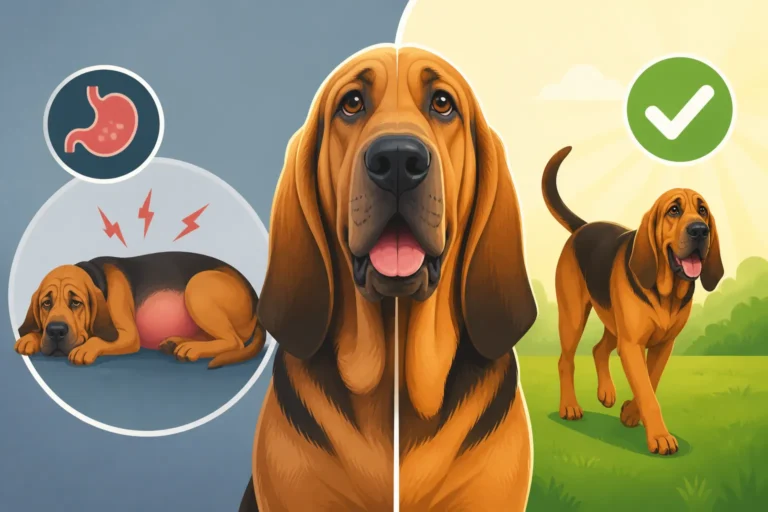
The fear of bloat, or Gastric Dilatation Volvulus (GDV), is a shadow that looms large over every Bloodhound owner's heart. It's a terrifying, fast-moving condition that can take your beloved companion from healthy to critical in a matter of hours, often without much warning. This guide aims to clarify a common question and concern: whether a Bloodhound who has had a gastropexy can still experience bloat, and what every owner needs to know to keep their furry family member safe.
Understanding Bloat and Gastric Dilatation Volvulus (GDV) in Bloodhounds
For Bloodhound owners, the word "bloat" isn't just an uncomfortable feeling after a big meal; it's a medical emergency that strikes with brutal speed. It's truly what many of us worry about most, and for good reason. Understanding the two distinct components of this condition is crucial to grasping what a gastropexy actually accomplishes.
The Dual Threat: Gastric Dilation and Volvulus
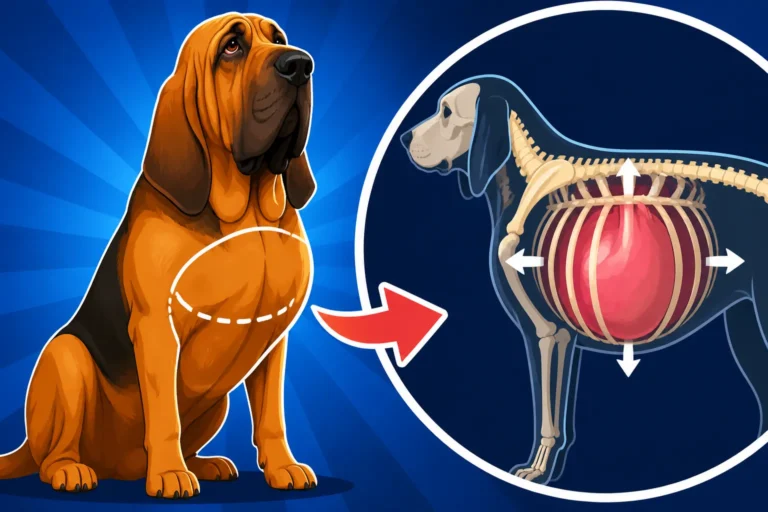
When we talk about "bloat" in its most severe, life-threatening form, we're usually referring to Gastric Dilatation Volvulus (GDV). This isn't just a simple stomach ache or gas build-up. It's a two-part catastrophe. First, "gastric dilatation" happens when the stomach rapidly fills with gas, fluid, or food, causing it to swell dramatically. Imagine a balloon inflating inside your dog's abdomen, pressing against all the surrounding organs. This alone is incredibly painful and dangerous, cutting off blood flow and hindering breathing. But it rarely stops there. The second, and often fatal, part is "volvulus," which is when the distended stomach then twists on its axis. This twist completely seals off both the entrance and exit of the stomach, trapping everything inside. It also kinks major blood vessels, including those supplying the stomach itself and the spleen, leading to shock and tissue death. It’s a cruel and swift process that, without immediate intervention, is almost always fatal. It's important to differentiate this twisting, which is the truly deadly part, from simple gastric distention.
Why a Bloodhound's Chest Shape Causes Bloat
Our beautiful Bloodhounds, with their distinctive, deep, narrow chests, are unfortunately built in a way that makes them prime candidates for bloat. It's not just a genetic predisposition; it's a physical characteristic that sadly increases their risk. Think about the mechanics: a deep chest allows more room for the stomach to swing and flip when it distends. If you imagine a pendulum, a longer string allows for a wider, more dramatic swing. In a Bloodhound's chest cavity, that deeper space gives their stomach more freedom of movement, making it far more susceptible to twisting once it starts to dilate. Breeds with barrel chests or broader, shallower chests tend to have less space for the stomach to shift dramatically. This unique conformation is why Why a Bloodhound's Chest Shape Causes Bloat is such a critical topic for every owner to understand, as it underscores the inherent risk this breed carries.
The Rapid Progression of Bloat Without Intervention
The speed at which bloat can escalate from discomfort to a critical emergency is truly terrifying. One moment your Bloodhound might seem a little restless, perhaps pacing or looking at their side, and within an hour or two, they can be in full-blown shock. The initial distension causes extreme pain and pressure. As the stomach twists, blood flow is severely compromised. Toxins start to build up as tissues die, and these toxins are then released into the bloodstream, quickly overwhelming the dog's system. The heart can suffer arrhythmias, and other organs begin to fail. This is why immediate action is paramount. There is a very narrow window for effective treatment, often just a couple of hours from the onset of symptoms to life-threatening complications. Knowing How Fast Bloat Kills a Bloodhound is not about panic, but about understanding the urgency of the situation should you ever suspect it.
How a Gastropexy Works and What It Prevents
Given the dire consequences of bloat, many Bloodhound owners naturally seek ways to prevent it. This often leads to discussions about gastropexy, a surgical procedure designed to mitigate the most dangerous aspect of bloat. It's a decision that many of us face, sometimes preemptively, sometimes after a terrifying scare.
The Surgical Procedure of a Gastropexy
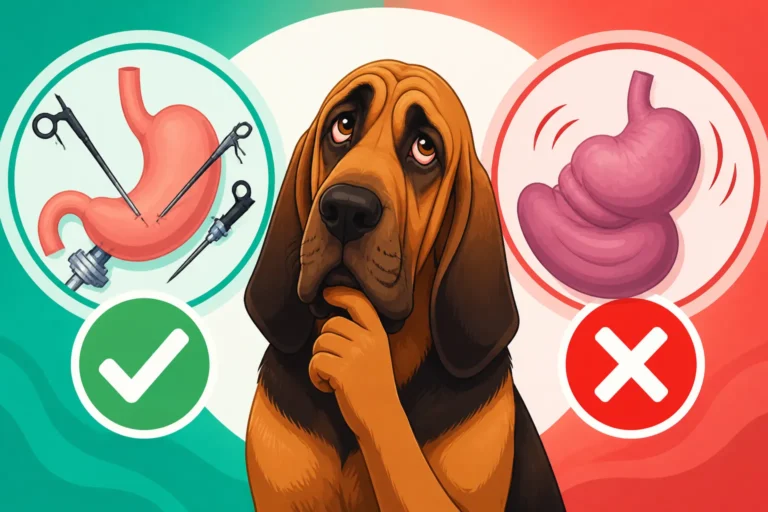
A gastropexy is a surgical procedure where a dog's stomach is permanently attached to the abdominal wall. There are several techniques, but the goal is always the same: to prevent the stomach from twisting. Historically, this was often done as an open surgery, involving a larger incision. However, advancements in veterinary medicine have made laparoscopic gastropexies more common now, which involve smaller incisions and a faster recovery time. During the procedure, the surgeon identifies a specific part of the stomach, usually the pylorus (the outflow tract), and sutures it securely to the inner lining of the abdominal wall. This creates a permanent adhesion that essentially "tacks" the stomach down. It’s a significant procedure, but one that can offer immense peace of mind. Discussing The Gastropexy Decision Every Bloodhound Owner Faces is crucial for anyone considering this protective measure.
Preventing the Stomach Twist: The Primary Goal of Gastropexy
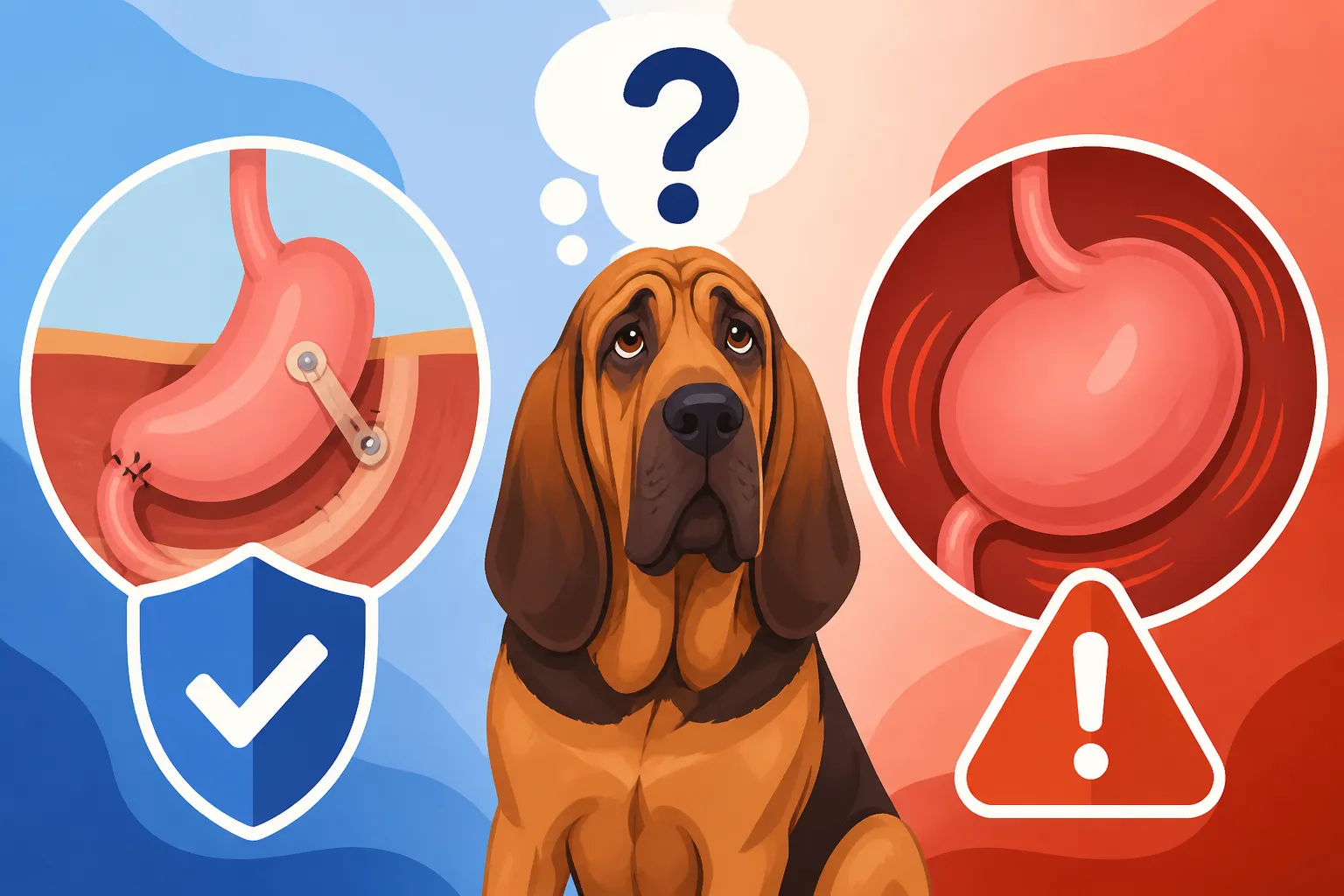
It's vital to understand what a gastropexy does and does not do. The primary, and indeed sole, goal of a gastropexy is to prevent the "volvulus" – the twisting of the stomach. By physically attaching the stomach to the abdominal wall, it can still dilate and fill with gas or fluid, but it can no longer rotate and cut off its own blood supply or the exits and entrances. This distinction is critical: a gastropexy does not prevent the stomach from distending (bloating with gas). It prevents the twist (GDV). This means that a gastropexied Bloodhound can still experience simple bloat, where the stomach fills with gas, but the life-threatening, organ-damaging rotation is prevented. This makes the condition significantly less dangerous and more manageable, turning a potential emergency into a less critical, though still uncomfortable, situation. This preventative measure is a key factor in improving a Bloodhound's health outlook, and understanding What a Preventive Gastropexy Does for a Bloodhound can help owners make informed choices.
The Age a Bloodhound Should Have a Gastropexy
Deciding when to perform a gastropexy is another important consideration. Many veterinarians recommend performing a prophylactic (preventative) gastropexy at the same time as spaying or neutering, typically around six months to a year of age. This combines two surgical events into one anesthetic episode, potentially reducing overall cost and recovery time. At this age, puppies are generally healthy, and the procedure can be performed before they've had a chance to experience a bloat episode. Some owners opt to wait until the dog is slightly older, but the consensus is generally that sooner is better to reduce the risk before it ever materializes. However, the procedure can also be done on adult Bloodhounds, even those who have already experienced a non-twisting bloat or as part of emergency bloat surgery. Consulting with your veterinarian about The Age a Bloodhound Should Have a Gastropexy is essential to determine the best timing for your individual dog, taking into account their overall health and any existing conditions.
Yes, a Gastropexied Bloodhound Can Still Bloat – Here's How
This is the big question, isn't it? The one that keeps many of us wondering, even after taking all the precautions. The unequivocal answer is yes, a Bloodhound with a gastropexy can absolutely still bloat. The difference, however, is monumental. It's the difference between a critical, often fatal emergency and a painful, but usually manageable, medical issue.
Simple Gastric Dilatation: Bloat Without the Twist
As mentioned earlier, a gastropexy prevents the "volvulus" (the twist), but not the "dilatation" (the swelling with gas). This means that a gastropexied Bloodhound can still experience what is known as simple gastric dilatation. In this scenario, the stomach fills with gas, often to a very uncomfortable and even painful degree, but because it's tacked to the abdominal wall, it cannot rotate. The entrance and exit to the stomach remain open, allowing gas to potentially escape or be relieved more easily by a veterinarian. While still an urgent situation requiring veterinary attention to alleviate discomfort and identify the cause of the gas build-up, it lacks the immediate, deadly threat of organ torsion and circulatory collapse. This is why understanding Whether a Bloodhound Survives Bloat is so profoundly impacted by whether a gastropexy is in place. The chances of survival are dramatically higher when the twist is prevented.
Causes of Non-Twisting Bloat in Gastropexied Bloodhounds
Even with a gastropexy, certain factors can still lead to simple gastric dilatation. These are often the same triggers that might contribute to GDV in an un-gastropexied dog, but without the devastating consequence of twisting. Common culprits include:
- Eating too quickly: Rapid ingestion of food can lead to swallowing a lot of air along with the meal, which contributes to gas build-up.
- Eating a large meal: A single, large meal can overfill the stomach, making it more prone to distension.
- Drinking too much water too fast: Gulping down large quantities of water, especially after exercise, can also introduce excess air and fluid.
- Exercising too soon after eating: Physical activity immediately following a meal can jostle the stomach and contribute to gas.
- Stress or anxiety: Some research suggests a link between stress and bloat, possibly due to changes in gut motility or increased air swallowing. An anxious Bloodhound might be more prone to distention.
- Dietary factors: Certain foods, or a sudden change in diet, might lead to increased gas production in some dogs.
- Underlying gastrointestinal issues: While less common, conditions affecting digestion or stomach emptying could contribute to gas accumulation.
Even with a gastropexy, addressing these contributing factors remains crucial for a Bloodhound's overall digestive health and comfort.
Recognizing the Signs of Bloat in a Gastropexied Dog
Identifying bloat in a gastropexied Bloodhound still requires vigilance, although some of the most alarming signs of GDV (like extreme weakness or collapse) might be less pronounced or occur later. The key is to look for signs of discomfort and abdominal distension.
Here's what to watch for:
- Restlessness or pacing: Your dog can't get comfortable, constantly shifting position.
- Attempting to vomit, but nothing comes up: This retching without producing anything (non-productive retching) is a classic sign, indicating a blockage or severe pressure. This symptom is extremely urgent.
- Drooling excessively: Increased salivation can be a sign of nausea or discomfort.
- Abdominal swelling: The abdomen may appear visibly distended, especially behind the rib cage. It might feel taut or firm to the touch. This can be subtle at first, especially in a Bloodhound's naturally deep chest.
- Pain or discomfort: Your dog might groan, whine, or snap if you try to touch their belly. They might stand in the "prayer position" – front end down, rear end up – trying to relieve pressure. This is a very telling posture.
- Rapid, shallow breathing: Pressure on the diaphragm can make breathing difficult.
- Weakness or lethargy: While less common in simple bloat than GDV, significant discomfort can still lead to a dog acting unwell.
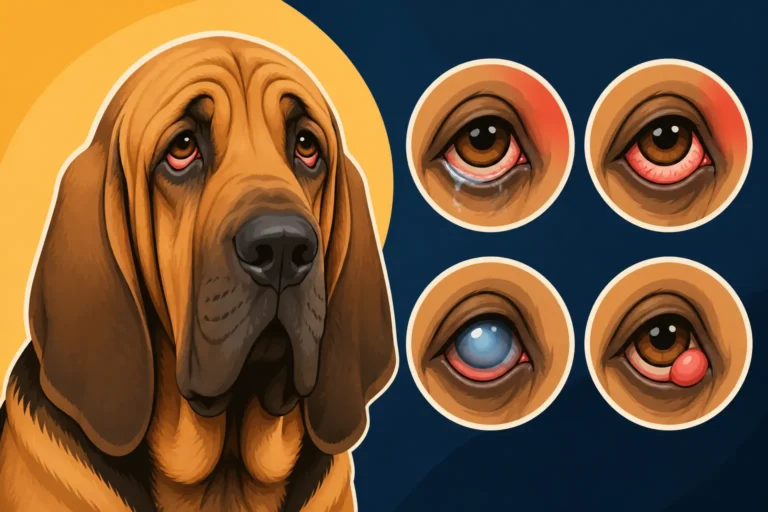
The crucial difference is that with a gastropexy, the timeline might be slightly less immediate for life-threatening collapse, but it's still an emergency. If you observe any of these signs, especially non-productive retching or visible swelling, contact your vet immediately. Even if the stomach isn't twisted, the gas needs to be addressed. Many owners keep a good pet insurance plan like Healthy Paws to help cover the unexpected costs that can arise from even "simple" bloat diagnostics and treatment, not to mention other conditions like hip and elbow dysplasia in the Bloodhound, or the various eye problems a Bloodhound is born toward.
| Symptom / Condition | Un-Gastropexied Bloat (GDV) | Gastropexied Bloat (Simple Dilatation) |
|---|---|---|
| Abdominal Swelling | Often rapid and severe | Present, but potentially less dramatic or rapid |
| Non-productive Retching | Highly common, urgent | Common, urgent |
| Excessive Drooling | Common | Common |
| Restlessness/Pacing | Common, urgent | Common, urgent |
| Pain/Discomfort | Severe, urgent | Significant, urgent |
| Weakness/Collapse | Highly likely and rapid | Less likely to occur rapidly, but possible with severe distension |
| Shock | Highly likely and rapid | Possible with severe, prolonged distension |
| Stomach Twist | Present | Absent |
| Immediate Mortality Risk | Very High | Low to Moderate (if treated promptly) |
| Emergency Level | Critical, life-threatening | Urgent, potentially serious |
The Importance of Continued Vigilance After Gastropexy
Even with the preventative measure of a gastropexy, the journey of responsible Bloodhound ownership requires ongoing attention. A gastropexy is an incredible tool for reducing risk, but it's not a magic bullet that makes all bloat concerns disappear. Your vigilance remains your Bloodhound's best defense.
Dietary and Feeding Practices for a Gastropexied Bloodhound
The way you feed your gastropexied Bloodhound still matters significantly. These practices are designed to minimize the chances of simple gastric distension and promote overall digestive health.
- Split meals: Instead of one large meal, feed two or three smaller meals throughout the day. This reduces the amount of food in the stomach at any one time, lessening the risk of overfilling and excessive gas production. This is generally a good practice for all deep-chested breeds.
- Slow down eating: If your Bloodhound scarfs down their food in seconds, consider using a slow-feeder bowl or placing a large, clean rock (too big to swallow) in their bowl to make them eat around it. This prevents them from gulping air.
- Avoid strenuous exercise around meals: Ensure a quiet resting period of at least an hour before and after meals. This means no vigorous play, running, or long walks immediately before or after eating.
- Limit large water intake after meals: While continuous access to fresh water is vital, try to discourage your Bloodhound from gulping huge amounts of water immediately after eating. Offer smaller amounts more frequently.
- Consistent, high-quality diet: Stick to a consistent, high-quality diet recommended by your veterinarian. Sudden changes in food can sometimes upset digestion and lead to gas.
- Manage anxiety: If your Bloodhound is prone to anxiety, especially around meal times or specific events, work on managing their stress levels, as stress can contribute to digestive upset.
Even though the threat of a twist is largely gone, thoughtful feeding practices are still a cornerstone of preventing discomfort and potential issues. You can learn more about this by reading Feeding a Bloodhound So It Does Not Bloat.
Monitoring for Symptoms and Seeking Prompt Veterinary Care
The prophylactic gastropexy provides a huge safety net, but it doesn't eliminate the need for you to be a keen observer of your Bloodhound's health. You still need to monitor for signs of gastric dilatation. If your gastropexied Bloodhound shows signs of abdominal discomfort, distension, or, most critically, non-productive retching, treat it as an urgent situation. While the immediate panic of a potential twist might be lessened, severe gastric dilatation can still be painful and, if prolonged, can cause secondary issues. The veterinarian will still need to assess the situation, potentially decompress the stomach, and determine the underlying cause of the distension. Delaying care could lead to prolonged pain and discomfort, even if the twist isn't a concern. Remember, Signs a Bloodhound Is Bloating still apply, even with a gastropexy.
When a Bloodhound Owner Should Call Ahead to the Clinic
In any suspected bloat scenario, whether your Bloodhound has had a gastropexy or not, calling ahead to your veterinary clinic or emergency veterinary hospital is absolutely crucial. This isn't just a courtesy; it's a vital step that can save precious time. When you call, clearly state your suspicion of bloat, mention that your dog is a Bloodhound, and specify whether they have had a gastropexy. This allows the veterinary team to prepare for your arrival. They can ready an exam room, gather necessary equipment for diagnostics or decompression, and ensure staff are available. This preparation can shave off critical minutes once you arrive, allowing for quicker assessment and intervention. Even if the bloat isn't twisted, the staff needs to be ready to address a large, potentially distressed dog who might be in significant pain. If you're wondering What to Do on the Drive With a Bloating Bloodhound, making that call is the very first step.
The Overriding Benefits of Gastropexy for Bloodhounds
Despite the fact that a gastropexy doesn't prevent all forms of bloat, its benefits for a breed as susceptible as the Bloodhound are so significant that it has become a widely recommended prophylactic procedure. It addresses the most dangerous aspect of the condition, making a profound difference in the breed's health and lifespan.
Significantly Reducing Life-Threatening Risks
This is the paramount benefit. The twist, or volvulus, is what makes GDV an immediate, life-threatening emergency with a high mortality rate, even with emergency surgery. By preventing the stomach from twisting, a gastropexy effectively removes the most deadly component of the bloat syndrome. While simple gastric dilatation still needs veterinary attention, it rarely carries the same catastrophic risk of rapid organ failure, severe shock, and death. This procedure has been shown to dramatically increase the survival rate for dogs who experience stomach distension. It transforms a near-certain death sentence into a treatable condition, buying valuable time for intervention and significantly improving outcomes. For a breed like the Bloodhound, where Bloat Is What Kills Most Bloodhounds, this reduction in life-threatening risk is nothing short of revolutionary.
Peace of Mind for Bloodhound Owners
Beyond the direct medical benefits for the dog, a gastropexy offers invaluable peace of mind for Bloodhound owners. Living with a deep-chested breed like a Bloodhound often means constantly worrying about bloat. Every burp, every restless moment, every episode of panting can trigger a wave of anxiety. Knowing that the most lethal part of the bloat equation – the twist – has been surgically eliminated can lift an enormous weight. While owners must still be vigilant for signs of simple bloat, the constant, gnawing fear of GDV is substantially lessened. This allows owners to enjoy their Bloodhounds more fully, without that ever-present dread, and reduces the stress associated with everyday feeding and exercise routines. Many find that the investment, whether out-of-pocket or covered by pet insurance like Healthy Paws, is well worth this psychological relief.
A Proactive Step for a Breed Predisposed to Bloat
Bloodhounds are undeniably predisposed to bloat due to their anatomy. It's not a matter of "if" for many, but "when" they might experience some form of gastric issue. A gastropexy is one of the most proactive and impactful steps an owner can take to protect their Bloodhound's long-term health. Instead of waiting for a terrifying emergency to strike, which often happens in the middle of the night when veterinary resources might be stretched thin, this elective surgery can be planned at a convenient time with a trusted veterinary team. It represents a commitment to preventative care that aligns with responsible ownership of this magnificent, but health-challenged, breed. Considering that The Gastropexy Decision Every Bloodhound Owner Faces is often about life or death, taking this step early is a profound act of care.
Disclaimer
The information provided in this article is for educational purposes only and is not intended to be a substitute for professional veterinary advice, diagnosis, or treatment. Always seek the advice of your veterinarian or other qualified animal health provider with any questions you may have regarding a medical condition. Never disregard professional veterinary advice or delay in seeking it because of something you have read in this article.