Skin Fold Dermatitis on a Bloodhound
The deep, soulful eyes, the long, trailing ears, the magnificent wrinkles that define a Bloodhound – they are all part of the charm we fall in love with. But let's be honest, those beautiful folds also come with a unique set of challenges, and one of the most persistent and frustrating is skin fold dermatitis. If you've ever found yourself peering into your Bloodhound's neck rolls, sniffing their jowls, or wondering why there's a strange, sour smell emanating from seemingly nowhere, you're not alone. This comprehensive guide will walk you through everything you need to know about skin fold dermatitis, from understanding why it happens to preventing and treating those stubborn infections, so you can keep your wrinkly companion comfortable and healthy.
Understanding the Bloodhound's Unique Anatomy and Skin Folds
The Bloodhound's distinctive appearance, particularly its abundant loose skin and deep wrinkles, is not just for show; it's an evolutionary masterpiece designed to enhance their incredible scent-tracking abilities. However, this same brilliant design can inadvertently create environments ripe for skin issues. Understanding where a Bloodhound's skin folds sit and why they are prone to problems is the first step in effective management.
The Purpose of Those Wonderful Wrinkles
Those glorious, sagging folds of skin are more than just a charming aesthetic; they are an integral part of the Bloodhound's unparalleled olfactory prowess. When a Bloodhound drops its head to the ground, trailing a scent, these loose folds work like natural nets, sweeping up scent particles and channeling them towards the nose. The deep dewlaps and pendulous ears also serve to funnel air and scent, minimizing distraction from ambient smells and maximizing the concentration of the target odor. It’s a marvel of biological engineering, allowing them to follow trails days old and distinguish one human scent from thousands.
However, this design, optimized for scent work, wasn't necessarily optimized for hygiene. The very features that make them such extraordinary trackers—the excess skin, the deep creases—create pockets and sheltered areas that can become problematic without diligent care. Owners often find themselves caught between appreciating the functional beauty of these wrinkles and battling the common skin problems they can cause. It’s a true love-hate relationship with their defining characteristic, often leading to a sense of exasperation when, despite best efforts, issues arise.
Where a Bloodhound's Folds Sit
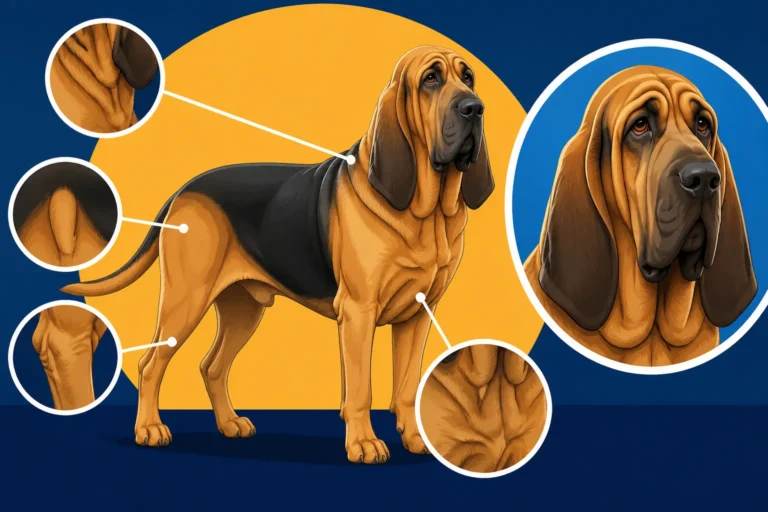
Bloodhounds possess an impressive amount of loose skin, or "furnishings," covering their entire body, but certain areas are particularly prone to deep folding and the subsequent issues. The most prominent and often troublesome folds include those around the face, particularly the brow (forming that classic "worried" expression), the extensive jowls, and the substantial dewlap hanging from their neck. These facial folds can create deep crevices around the eyes, muzzle, and under the chin.
Beyond the face, you’ll find significant folds on the neck, often forming what is affectionately called a "neck roll." This area, especially prominent on mature Bloodhounds, can trap a lot of moisture and debris. Other common sites include the armpits, the groin, and sometimes even at the base of the tail. For some Bloodhounds, especially larger ones, folds might also be present in other less obvious areas where skin meets skin. Each of these unique topographical features presents a potential hazard for skin health. Understanding precisely where a Bloodhound's folds trap moisture first helps owners anticipate problem areas and focus their preventative care efforts. It’s usually those deep, hidden crevices that stay damp the longest and are hardest to air out.
The Environment Within a Skin Fold
Imagine a warm, moist, dark cave – that’s essentially what the inside of a Bloodhound’s skin fold can become. This environment is the perfect breeding ground for bacteria and yeast, the primary culprits behind skin fold dermatitis. When skin folds press against each other, air circulation is severely restricted. Add to that the natural oils from the skin, shed skin cells, drool, water from drinking, and external debris like food particles or dirt, and you have a recipe for disaster.
The constant friction between the skin surfaces within these folds also causes minor abrasions and irritation, further compromising the skin's natural protective barrier. This weakened barrier makes it easier for opportunistic microorganisms to colonize and proliferate, leading to inflammation and infection. It's a vicious cycle: the irritation leads to more moisture (from exudate), which feeds the microbes, which cause more irritation. This damp, dark, and often soiled environment is a stark contrast to the open, airy skin surfaces of most other breeds, making Bloodhounds uniquely susceptible to this particular type of skin woe.
What Exactly is Skin Fold Dermatitis?
Skin fold dermatitis, often interchangeably referred to as intertrigo or pyoderma in these specific areas, is a really common problem for our wrinkly friends. It’s not just a little rash; it’s an inflammatory condition that, if left unchecked, can become incredibly uncomfortable and even painful for your Bloodhound. It’s crucial to understand what you’re dealing with to effectively manage it.
Defining the Condition and Its Triggers
At its heart, skin fold dermatitis is an inflammation of the skin that occurs when two skin surfaces rub against each other. This friction, combined with the trapped moisture, creates an ideal environment for the overgrowth of bacteria and yeast that normally live on the skin in smaller numbers. Think of it like a persistent diaper rash, but in various locations on your dog's body. The medical term for bacterial skin infection is pyoderma, and for yeast overgrowth, it's malassezia dermatitis. Often, you'll find both working in tandem, making the condition worse.
The primary triggers are always the same: moisture, warmth, lack of airflow, and friction. For a Bloodhound, these conditions are met almost constantly within their numerous deep folds. Drool collecting in lip folds, water from drinking running into chin wrinkles, sweat and sebum in neck rolls, or urine splashing into vulvar folds (if present in females) all contribute. Allergies can also play a significant role. If a Bloodhound has environmental or food allergies, their skin barrier can become compromised and more prone to inflammation, making the folds even more susceptible to dermatitis. This leads to a worsening of what fold dermatitis does to a Bloodhound, making them itchier and more uncomfortable.
Signs a Bloodhound's Fold Has Become Infected
Recognizing the early signs a Bloodhound's fold has become infected is paramount to preventing a minor irritation from escalating into a full-blown, painful infection. Often, the first clue isn't visual at all; it's olfactory. You might notice a distinct, unpleasant odor, often described as sour, musty, or frankly, just plain gross. This smell is a tell-tale sign of bacterial or yeast overgrowth.
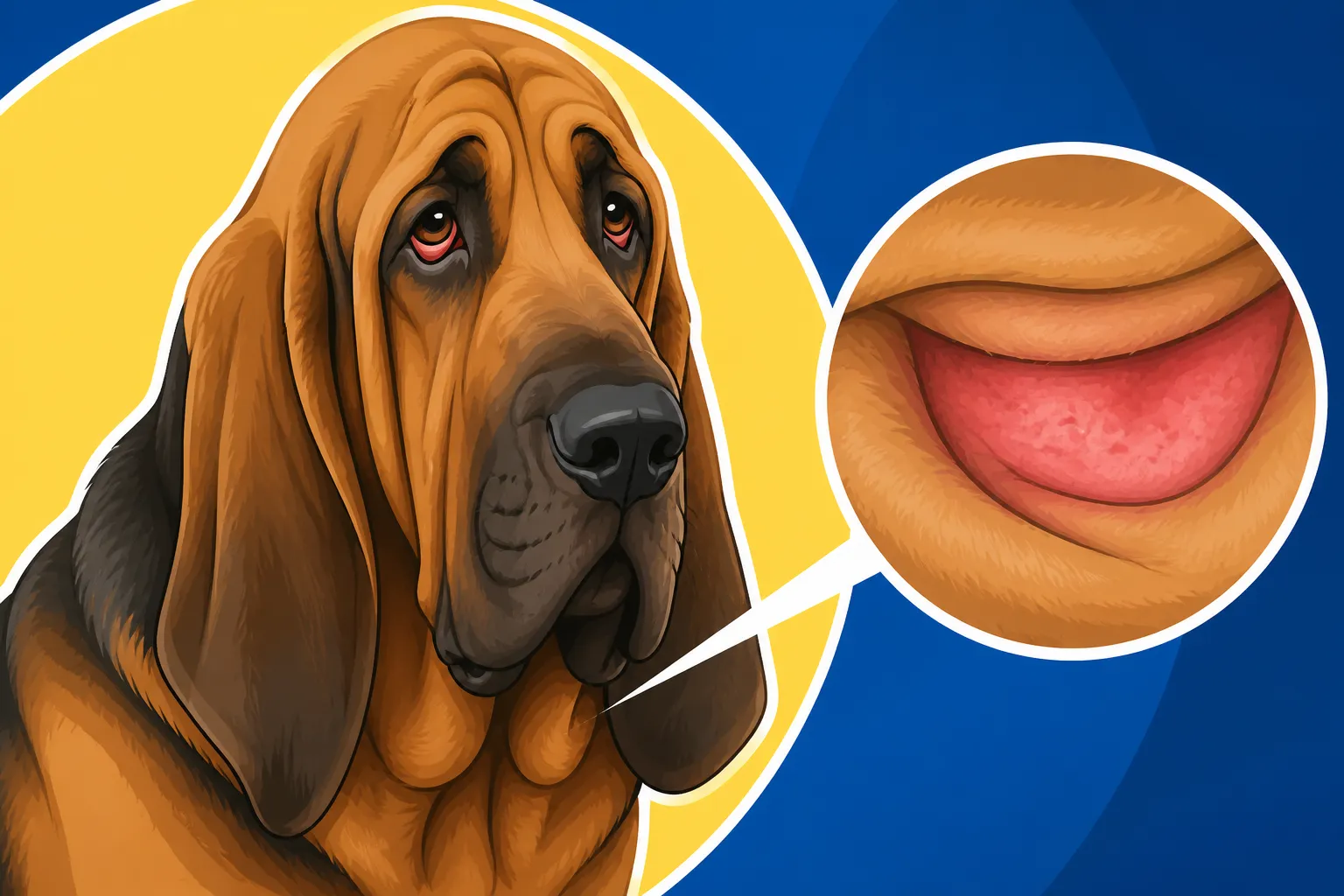
Visually, an infected fold will typically appear red and inflamed. The skin might look raw, moist, and even oozing. There could be hair loss in the affected area, or the remaining hair might be matted with discharge. Your Bloodhound might show discomfort by scratching, rubbing the area, or excessively licking the affected folds, which only exacerbates the problem by adding more moisture and trauma. In more severe cases, you might see pustules, crusts, or even ulcers. The skin can become thickened and discolored over time due to chronic inflammation. If you gently part the folds and your dog flinches, whimpers, or tries to pull away, it's a strong indicator that the area is painful and infected. Don't ignore these subtle cues; they're your dog's way of telling you they need help.
Common Culprits: Bacteria, Yeast, and More
When skin fold dermatitis takes hold, it's usually a party of opportunistic microorganisms celebrating the perfect conditions. The two biggest players are bacteria and yeast. Staphylococcus species of bacteria are incredibly common on dog skin and are often the first to overgrow in a compromised fold environment, leading to a bacterial skin infection (pyoderma). You might see pustules or moist, red lesions characteristic of this type of infection.
Simultaneously, or sometimes independently, yeast, particularly Malassezia pachydermatis, thrives in these warm, moist, and low-oxygen environments. Yeast infections often present with a greasy feel to the skin, a distinct sweet-sour or rancid odor, and a reddish-brown discoloration. When considering whether yeast or bacteria is more common in a Bloodhound's ear, it's important to note that the conditions within a Bloodhound's long, pendulous ear canals are remarkably similar to those within their skin folds – warm, moist, and poorly ventilated. Therefore, both bacteria and yeast are frequent offenders in both areas. Beyond these primary culprits, other factors can complicate matters. Allergies, whether environmental (like pollen or dust mites) or food-related, can cause underlying skin inflammation and itchiness, making the folds more susceptible to secondary infections. Sometimes, external irritants or even parasites might contribute, although these are less common primary causes for fold dermatitis specifically. Identifying the specific organism(s) through a veterinary visit is key to tailoring the most effective treatment.
The Frustrating Cycle of Inflammation and Infection
It's easy to feel overwhelmed when dealing with chronic skin issues in your Bloodhound. The problem often feels like a constant battle because it's rooted in a self-perpetuating cycle. Understanding this cycle of inflammation and infection is vital for breaking free from it and providing lasting relief for your dog.
How Friction and Moisture Damage the Skin Barrier
Imagine constantly rubbing your hands together and then keeping them perpetually damp. That's a simplified picture of what happens inside a Bloodhound's skin folds. The constant physical friction between two opposing skin surfaces leads to irritation and microscopic abrasions. This mechanical trauma alone is enough to disrupt the stratum corneum, the outermost layer of the skin that acts as its primary protective barrier.
Compounding this, the trapped moisture creates a macerating effect, essentially waterlogging the skin. Think of how your fingers look after a long bath – pruney and softened. Prolonged moisture softens the skin, making it more permeable and even more vulnerable to friction and irritation. This compromised skin barrier loses its ability to effectively block irritants, allergens, and, most importantly, microorganisms. Without this crucial defense, the underlying skin tissues become exposed and inflamed, signaling the beginning of the dermatitis. It's a relentless assault on the skin's natural defenses, making it incredibly challenging for the body to heal itself without intervention.
The Role of Secondary Infections
Once the skin barrier is damaged by friction and moisture, it becomes an open invitation for opportunistic microorganisms to move in and set up shop. This is where secondary infections come into play, turning simple irritation into a full-blown skin fold dermatitis nightmare. Bacteria like Staphylococcus pseudointermedius, which are normally present on a dog's skin in small, harmless numbers, seize the opportunity to multiply rapidly in the warm, moist, nutrient-rich environment of the inflamed fold. Similarly, yeasts like Malassezia pachydermatis thrive under these conditions.
These secondary invaders further exacerbate the problem. The bacteria and yeast release toxins and metabolic byproducts that intensify the inflammation, increase itchiness, and cause more discharge. This discharge, in turn, adds to the moisture and debris within the fold, creating an even better environment for the microbes to flourish. It’s a classic positive feedback loop: irritation leads to infection, which leads to more irritation, and so on. Breaking this cycle often requires a multi-pronged approach that addresses both the underlying irritation and the secondary microbial overgrowth. It's why just cleaning isn't always enough once a full-blown infection has set in.
Why a Bloodhound Carries an Odor From Its Folds
One of the most immediate and often embarrassing signs of skin fold dermatitis is the distinct, foul odor that can emanate from your Bloodhound. This isn't just a "dog smell"; it's a specific, often pungent aroma that signals something is brewing in those deep crevices. So, whether a Bloodhound carries an odor from its folds is a definitive yes, especially when infection is present. This characteristic smell is primarily due to the metabolic byproducts of the bacteria and yeast thriving within the warm, moist, and unventilated environment of the folds.
Bacteria, especially anaerobic bacteria that don't require oxygen, produce volatile fatty acids and other compounds that smell distinctly putrid or sour. Yeast, particularly Malassezia, tends to create a more sweet, musty, or rancid scent. When both are present, you get a complex, often overwhelming odor that can permeate your home and your dog's bedding. This smell isn't merely unpleasant; it's a critical indicator that the skin's microbial balance is severely disrupted and that an infection is active. Ignoring the smell is akin to ignoring a smoke alarm – it's a warning signal that your Bloodhound needs attention and care to restore their skin health and their fresh, hound-y aroma.
Preventing Skin Fold Dermatitis: A Daily Commitment
Preventing skin fold dermatitis is truly an ongoing act of love and commitment for any Bloodhound owner. It’s not a once-a-month task; it’s a diligent, daily ritual that can save your dog a lot of discomfort and you a lot of vet bills. Consistency is the name of the game when it comes to keeping those magnificent wrinkles healthy and happy.
Daily Wiping and Drying Rituals
This is the cornerstone of prevention. Your Bloodhound's folds need daily attention, without fail. Think of it as brushing your own teeth; it’s non-negotiable. The goal is to keep the folds clean, dry, and free of irritants. For the face and neck folds, this means gently parting them and wiping away any accumulated moisture, drool, food debris, or environmental gunk. Focus particularly on the areas around the mouth and under the chin, which are constantly exposed to moisture from eating and drinking.
Wiping a Bloodhound's folds before they sour is a preventative measure, stopping the microbial party before it starts. You should be doing this how often a Bloodhound's folds need wiping, which for many is at least once daily, and sometimes more if they are particularly slobbery, messy eaters, or just finished playing outside in damp conditions. After wiping, it's equally important to ensure the folds are completely dry. You can use a soft, clean cloth or even a cool setting on a hairdryer (held at a safe distance) to gently air them out. Remember, moisture is the enemy, so leaving any dampness behind can undo all your good work. This consistent attention will make a huge difference in preventing the buildup that leads to irritation and infection.
Choosing the Right Cleaning Products
When it comes to cleaning those delicate folds, not just any wipe will do. You need products that are effective at cleaning without causing further irritation or drying out the skin. Many veterinarians recommend using mild, alcohol-free antiseptic wipes specifically designed for pets. Look for ingredients like chlorhexidine or miconazole, which have antibacterial and antifungal properties respectively. These are excellent for maintaining a healthy microbial balance within the folds. Brands like Malaseb or Keto-C Pet Wipes are often recommended.
You might also wonder, whether baby wipes are safe on a Bloodhound. While some baby wipes are gentle, many contain fragrances, moisturizers, or other chemicals that can be irritating to canine skin, especially in a sensitive, confined area like a skin fold. It’s always safer to stick to products formulated for pets or those explicitly recommended by your veterinarian. You're looking for something gentle enough for daily use, but effective enough to keep bacterial and yeast populations in check. For general cleaning, plain warm water on a soft cloth followed by thorough drying can work, but for a proactive approach against dermatitis, a medicated wipe offers superior protection. Always consult your vet for specific product recommendations tailored to your Bloodhound’s needs.
Addressing Moisture Trapping: Beyond Just Wiping
While daily wiping and cleaning are fundamental, sometimes you need to take additional steps to truly combat moisture trapping. After all, the deeper the fold, the harder it is for air to circulate and keep things dry naturally. One approach is the careful use of veterinary-approved drying powders or astringents, but these should always be used under the guidance of your veterinarian. Products containing zinc oxide or cornstarch (pure, unscented) can sometimes help absorb excess moisture and reduce friction, but applying too much or using the wrong type can actually create a paste that traps more moisture, so caution is advised. Whether a Bloodhound's folds should be powdered is a question best answered by your vet based on your individual dog's skin condition.
Ensuring your Bloodhound is thoroughly dried after baths or any exposure to water is also critical. Those long ears and deep facial folds can hold an surprising amount of water. Take extra time to gently pat and air dry these areas. Some owners even use a soft snood for their Bloodhound during mealtimes to keep those long ears out of the food and water bowls, preventing them from becoming constantly wet and then dragging moisture into the facial folds. Remember, the goal is to create an environment where bacteria and yeast can't thrive, and moisture reduction is a key part of that strategy.
When Prevention Isn't Enough: Treating Active Infections
Despite your most diligent efforts, sometimes a skin fold will become infected. It happens. Don't beat yourself up about it; instead, focus on swift and effective action. When prevention fails, early intervention is key to getting your Bloodhound comfortable again and preventing the infection from spreading or becoming chronic.
Veterinary Consultation and Diagnosis
The moment you notice the tell-tale signs a Bloodhound's fold is turning unhealthy – redness, a strong odor, discharge, or your dog showing discomfort – it's time to call your veterinarian. Self-treating can often lead to incorrect diagnoses or treatments that only provide temporary relief, allowing the underlying problem to fester. Your vet will perform a thorough examination, looking deep into the folds.
Crucially, they will likely take samples for cytology. This involves gently pressing a piece of tape or a cotton swab onto the affected skin and then examining it under a microscope. Cytology allows the vet to identify whether the infection is bacterial, yeast-based, or a combination of both, and to see the severity of the overgrowth. This microscopic peek is invaluable because it guides the choice of medication. For instance, an infection dominated by yeast requires antifungal treatment, while a bacterial one needs antibiotics. Without proper diagnosis, you might be throwing the wrong kind of medication at the problem, delaying healing, and increasing your dog's discomfort.
Medical Treatments: Topical and Oral Solutions
Once your veterinarian has diagnosed the specific type of infection, they can prescribe the most appropriate treatment. For mild to moderate cases, topical solutions are often the first line of defense. These might include medicated shampoos, sprays, or ointments containing antibacterial agents (like chlorhexidine or fusidic acid) and/or antifungal agents (like miconazole or ketoconazole). You'll typically need to apply these directly into the cleaned and dried folds once or twice a day for a specified period. Consistency is crucial here; don't stop treatment just because the visible signs improve.
For more severe or widespread infections, or those that aren't responding to topical treatments, your vet might prescribe oral medications. Whether a Bloodhound's fold infection needs antibiotics orally will depend on the depth and extent of the infection. Oral antibiotics (like cephalexin or amoxicillin-clavulanate) or oral antifungals (like fluconazole or itraconazole) can tackle the infection from the inside out. These systemic treatments are powerful but come with their own considerations, such as potential side effects and the importance of completing the full course of medication. Remember, even with oral medications, continued daily cleaning of the folds is essential to help the healing process and prevent recurrence. This is also where having pet insurance, such as a plan from Healthy Paws, can really make a difference, as prolonged or complex treatments can add up quickly.
The Role of Diet and Allergy Management
While direct cleaning and medication target the immediate infection, it's important to look at the bigger picture, especially if your Bloodhound experiences recurrent skin fold dermatitis. Often, underlying allergies can exacerbate or even trigger these issues. If you suspect allergies make a Bloodhound's folds worse, your vet might recommend investigating potential food or environmental allergies.
A food elimination diet, where your dog eats a novel protein or hydrolyzed protein diet for several weeks, can help identify food sensitivities. Environmental allergies (atopy) might be managed with medications like Apoquel or Cytopoint, or even immunotherapy (allergy shots). Addressing these underlying allergies can significantly reduce overall skin inflammation, making the folds less prone to irritation and secondary infections. Similarly, a high-quality, balanced diet rich in omega-3 fatty acids can support overall skin health and improve the integrity of the skin barrier, making it more resilient. Discussing these dietary and allergy management strategies with your vet is a critical step in a long-term plan to keep your Bloodhound's skin healthy and comfortable.
Living with a Wrinkly Wonder: Long-Term Management
Owning a Bloodhound means accepting and embracing their unique needs, and that definitely includes consistent, long-term management of their wonderful, albeit sometimes troublesome, skin folds. This isn't a problem that you solve once and forget about; it's an ongoing journey to keep your wrinkly companion in tip-top condition.
Consistency is Key: Establishing a Routine
The most critical aspect of long-term management for skin fold dermatitis is unwavering consistency. Just like you wouldn't skip your own daily hygiene, you can't skip your Bloodhound's fold care. Establishing a daily routine and sticking to it is paramount. This means making daily fold checks and wiping a non-negotiable part of your dog's day. Perhaps it's after their morning meal, or before bedtime, or after a particularly muddy walk. The exact timing isn't as important as the regularity.
This routine also helps your Bloodhound become accustomed to the handling. Starting early, even with a puppy, can make them more tolerant of having their folds examined and cleaned. Use positive reinforcement, treats, and gentle handling to make it a pleasant experience. A consistent routine allows you to catch any redness, dampness, or faint odors before they escalate into a full-blown infection. Remember, prevention is always easier, less painful for your dog, and less costly for your wallet than treating an active infection. Good habits formed now will pay dividends in your Bloodhound's health and happiness for years to come.
Recognizing Early Warning Signs
One of the greatest benefits of a consistent daily care routine is that it trains you to recognize the earliest warning signs of trouble. You'll become intimately familiar with what your Bloodhound's healthy skin looks, feels, and smells like within the folds. This heightened awareness is your most powerful tool in managing skin fold dermatitis. Don't wait for obvious redness, raw skin, or a strong stench. Learn to identify subtle changes:
- Slight Dampness: Is a fold unusually damp despite recent wiping?
- Faint Odor: Is there a hint of a musty or sour smell that wasn't there yesterday?
- Subtle Redness: Is the skin just slightly pinker than normal?
- Increased Itchiness: Is your Bloodhound rubbing their face or neck more often?
- Reluctance to Be Touched: Do they flinch slightly when you part a specific fold?
These minor cues are your alarm bells. Catching these early allows you to ramp up your cleaning efforts, use a medicated wipe more frequently for a day or two, or contact your vet for advice before the situation deteriorates into a painful, full-blown infection. Staying vigilant empowers you to keep your Bloodhound comfortable and healthy, minimizing their discomfort and the need for more aggressive treatments.
Considering Surgical Options in Severe Cases
For the vast majority of Bloodhounds, diligent daily care and prompt veterinary treatment for flare-ups are sufficient to manage skin fold dermatitis. However, in rare, severe, and chronically recurring cases, particularly those involving deeply problematic folds that are impossible to keep clean and dry, surgical intervention might be considered. While the two surgeries a Bloodhound owner should expect typically refer to things like gastropexy or eyelid corrections, fold resection can be an option in specific, extreme circumstances.
This procedure, known as a fold resection or cheiloplasty (if it involves the lip folds, as in whether a Bloodhound's lip fold is the worst one), involves surgically removing the problematic skin fold to eliminate the crevice entirely. This creates an open, air-circulating surface that can be easily cleaned and kept dry, thus preventing future dermatitis in that specific area. This is not a decision to be taken lightly and is typically reserved for cases where the fold causes persistent pain, infection, and significantly diminishes the dog's quality of life despite maximal medical and preventative management. It's a last resort, but for some dogs, it can provide immense relief and dramatically improve their comfort and health. Your veterinarian, potentially in consultation with a veterinary dermatologist or surgeon, would guide you through such a complex decision.
Specific Bloodhound Folds and Their Challenges
While all Bloodhound folds can be susceptible to dermatitis, some areas are particularly challenging due to their location, depth, or constant exposure to moisture and debris. Understanding these specific hotspots can help you tailor your care and be extra vigilant.
The Ever-Problematic Facial Folds
The facial folds are often the first thing people notice about a Bloodhound, and unfortunately, they are also frequently the source of dermatitis. The deep wrinkles above the eyes, around the muzzle, and especially the substantial jowls and dewlap, are constantly exposed. Drool from drinking and eating, food particles, and even simply moisture from a humid environment can easily get trapped in these crevices. The skin here is delicate, and the constant friction and dampness make it highly susceptible to irritation.
Special attention needs to be paid to the deep folds under the chin and along the lower jaw. These areas can become quite moist and, because they are often out of sight unless you lift your dog’s head, problems can fester unnoticed. The corners of the mouth are also notorious for trapping food and saliva, creating a breeding ground for bacteria and yeast. For these facial folds, gentle but thorough daily wiping with a suitable pet-safe wipe, ensuring complete dryness afterward, is non-negotiable. Using a snood during meal times can help keep those beautiful, long ears from dragging in the food and water, which in turn reduces the amount of moisture and debris getting into the facial folds.
Neck Folds and the Dreaded Neck Roll
The neck area of a Bloodhound, particularly the prominent "neck roll" or dewlap, is another prime location for skin fold dermatitis. This massive fold of loose skin can be incredibly deep, creating a sheltered, warm, and often damp environment that is very difficult to ventilate naturally. Whether a Bloodhound's neck roll needs daily attention is a resounding yes; neglecting it is an open invitation for problems.
Sweat, environmental debris, and even gravity pulling the fold downwards contribute to moisture and friction here. If your Bloodhound swims or gets wet outdoors, this area can stay damp for a surprisingly long time if not actively dried. Because it's a large area and often obscured, owners might not notice issues until an unpleasant odor or visible irritation becomes apparent. When cleaning the neck roll, you’ll need to gently lift and stretch the skin to expose the underlying surfaces fully. Wipe thoroughly with a pet-safe antiseptic solution and then ensure it's completely dry. This might require holding the skin up for a few minutes to allow air to circulate, or gently dabbing with a clean, dry cloth.
Understanding Lip Folds and Tail Folds
Beyond the prominent facial and neck folds, two other areas often pose unique challenges: the lip folds and, for some Bloodhounds, the tail folds. The lip folds, sometimes called perioral folds, are the deep creases around the mouth. These are perpetually damp from saliva and constantly exposed to food particles. This makes them a hotbed for bacterial and yeast growth, often leading to a particularly smelly and persistent form of dermatitis. As mentioned earlier, whether a Bloodhound's lip fold is the worst one is often a subjective but understandable claim from many owners. Regular, careful cleaning of these specific folds is paramount, often requiring more frequent attention than other areas.
Less common, but still a concern for some Bloodhounds, are tail folds. Some dogs, particularly those with a very short or "screw" tail that sits tightly against their body, can develop a fold at the base of the tail or even within the tail itself. This area can trap fecal matter and moisture, leading to dermatitis. Cleaning these areas requires similar diligence: gently lift the tail, clean the fold thoroughly, and ensure it's dry. While not as universally problematic as facial or neck folds, tail folds can be incredibly irritating and painful for the affected Bloodhound, so they should not be overlooked during your regular grooming routine.
Here's a quick overview of common fold locations and their typical care:
| Fold Location | Common Issues | Daily Care Actions |
|---|---|---|
| Facial Folds | Drool, food debris, bacterial/yeast infections | Gentle wiping with pet-safe antiseptic wipes, ensuring thorough drying. |
| Jowls/Dewlap | Excessive moisture, trapped food/water, friction | Lift skin, wipe deeply, ensure complete dryness. Consider snood for eating. |
| Neck Roll | Sweat, debris, poor air circulation, maceration | Lift and stretch skin to clean, wipe, and dry thoroughly. |
| Lip Folds | Constant saliva, food particle trapping | Very frequent wiping after eating/drinking, using antiseptic wipes. |
| Tail Folds | Fecal matter, moisture, friction (less common) | Lift tail, clean thoroughly with mild cleanser, ensure complete dryness. |
| Armpit/Groin | Sweat, friction (often secondary to allergies) | Regular checks, gentle wiping, address underlying allergies if present. |
The Role of Pet Insurance and Financial Preparedness
Let's be real for a moment: dealing with chronic health issues like skin fold dermatitis, especially when it flares up into full-blown infections, can be costly. Vet visits, cytology tests, medicated wipes, shampoos, oral antibiotics, antifungals – these expenses add up, and they can catch you off guard. This is where being financially prepared, and potentially having a good pet insurance plan, can truly make a difference for a Bloodhound owner.
Understanding the Costs of Treatment
Even a seemingly minor skin fold infection can quickly turn into a significant expense. A typical veterinary visit to diagnose dermatitis might include an exam fee (anywhere from $60-$120), a cytology test (another $40-$80), and then the cost of medications. Topical wipes or cleansers can range from $20-$40 per container, while prescription medicated shampoos might be $30-$60. If oral antibiotics or antifungals are needed, a course could run from $50 to several hundred dollars, depending on the drug and your Bloodhound’s weight.
For chronic or recurrent cases, these costs become a routine part of your budget. And should an infection become severe, requiring sedation for deep cleaning or further diagnostics, the bills can climb even higher. It's a sobering thought, but a realistic one. The continuous cycle of managing and treating these conditions is why financial planning is just as important as the daily cleaning routine.
The Peace of Mind with Pet Insurance like Healthy Paws
This is precisely where pet insurance can be a game-changer. Companies like Healthy Paws offer comprehensive accident and illness plans that can help cover the costs of veterinary care for conditions like skin fold dermatitis. While preventative care (like your daily wipes and cleaning solutions) isn't typically covered, the diagnosis, medication, and treatment of actual infections or flare-ups usually are, once your deductible is met.
Imagine not having to stress about the cost of that urgent vet visit or the expensive course of antibiotics when your Bloodhound's folds become severely infected. Having a plan in place, especially for a breed prone to specific health issues, provides invaluable peace of mind. It allows you to make medical decisions based on what’s best for your Bloodhound, rather than solely on what you can afford out-of-pocket at that moment. Many Bloodhound owners find that the monthly premium is a small price to pay for the security and ability to provide immediate, top-tier care when these predictable, yet unwelcome, conditions arise. It's an investment in your dog's long-term health and your financial well-being.
Final Thoughts on Keeping Your Bloodhound Comfortable
Living with a Bloodhound is a deeply rewarding experience, filled with their goofy charm, unwavering loyalty, and unparalleled nose. But it's also a commitment to managing their unique physical traits, especially their magnificent but challenging skin folds. Skin fold dermatitis is a common frustration, but it doesn't have to be a constant battle that diminishes your dog's quality of life or your enjoyment of them.
By understanding the "why" behind their susceptibility, committing to a consistent daily cleaning and drying routine, and being prepared to seek veterinary attention at the first sign of trouble, you can keep those folds healthy and infection-free. Remember, consistency is your best friend, and catching issues early is far easier than treating a severe infection. With a little diligence and a lot of love, you can ensure your wrinkly wonder remains comfortable, happy, and smelling sweet (or at least, not sour!).
Disclaimer
The information provided in this article is for educational purposes only and is not intended to be a substitute for professional veterinary advice, diagnosis, or treatment. Always seek the advice of your veterinarian or other qualified animal health provider with any questions you may have regarding a medical condition or the health and welfare of your pet.